


The Strategic Crossroads for Kelsey Plum
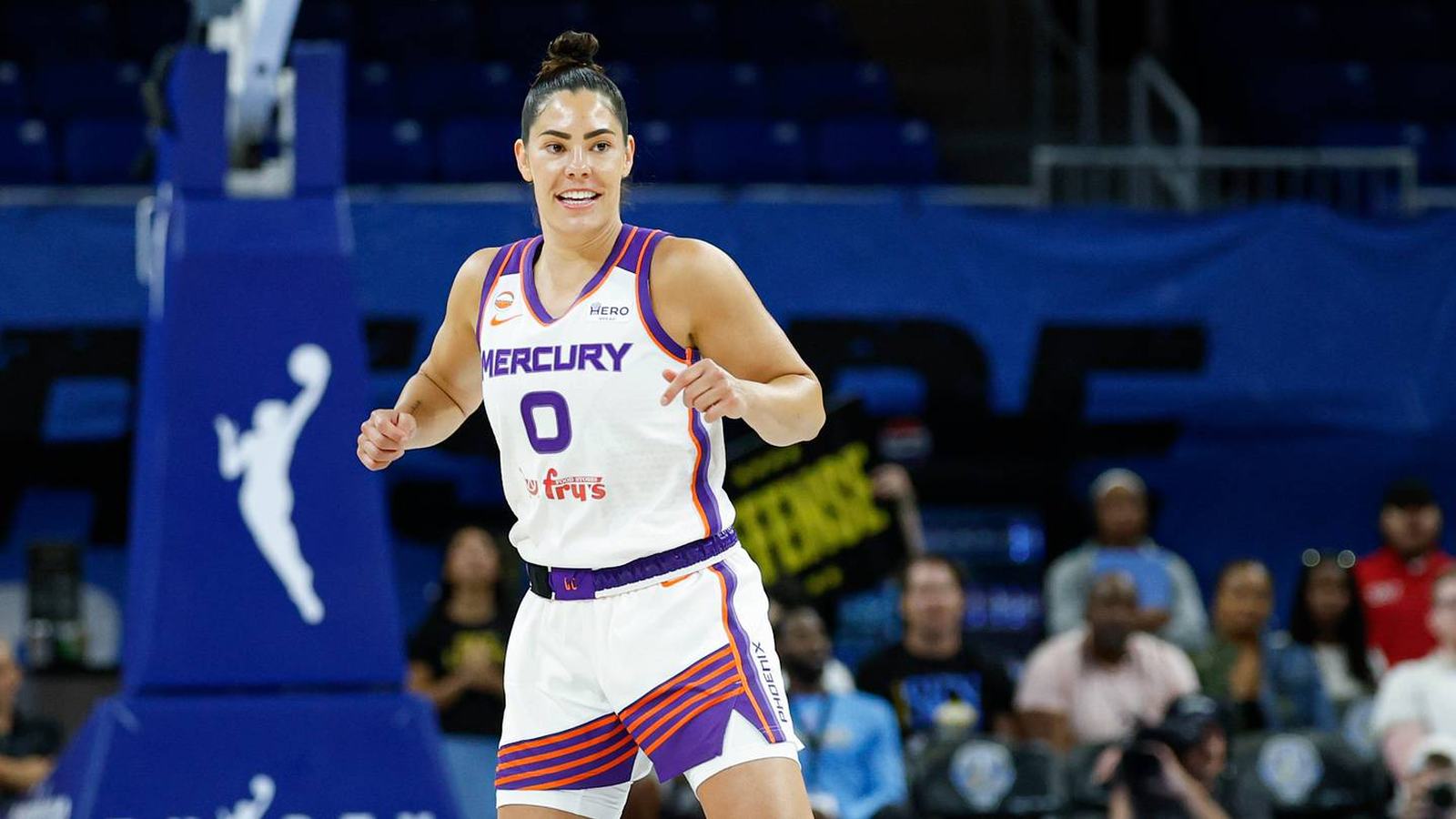
Following a mid-season trade from the Los Angeles Sparks to the Phoenix Mercury, Kelsey Plum enters the 2026-2027 offseason as one of the most sought-after unrestricted free agents in the WNBA. As reported by Sports Illustrated on November 21, 2026, Plum has signaled her intent to navigate the full free agency process rather than immediately committing to her current team. This decision places the Mercury in a complex position: while they hold the unique financial leverage of being the only organization eligible to offer Plum a supermax contract, they must compete with the allure of rosters better positioned for immediate championship contention.
Plum’s tenure in Los Angeles concluded abruptly at the 2026 trade deadline after she indicated she would not re-sign with the club. The subsequent move to Phoenix was designed to provide the Mercury with a head start in recruiting; however, the guard’s limited playing time in Phoenix leaves her future uncertain. The core tension lies between the guaranteed financial ceiling of staying in Arizona and the strategic fit required to maximize the remainder of her prime years.
Evaluating the Contenders
The Washington Mystics emerge as a primary destination for a player of Plum’s caliber. Coming off a season where they secured the No. 5 seed, the Mystics are actively seeking to integrate veteran experience with their rising core of Sonia Citron, Kiki Iriafen, and Shakira Austin. Plum’s resume—highlighted by two championships with the Las Vegas Aces and a consistent 38% career 3-point shooting average—addresses Washington’s critical need for floor spacing and offensive stability.
The Golden State Valkyries represent a long-rumored destination that aligns with Plum’s existing professional network. Connections to head coach Natalie Nakase and former teammate Kiah Stokes provide a layer of institutional familiarity that could simplify her transition. From a tactical standpoint, adding Plum would offer the Valkyries a necessary boost in shot creation and playmaking, though it would require balancing the team’s defensive identity, which has been the hallmark of their early success.
Finally, the Indiana Fever present a high-ceiling scenario if they opt to reconfigure their backcourt. Should the organization move on from Kelsey Mitchell, Plum offers a distinct profile as a championship-tested playmaker. Pairing her with Caitlin Clark could create one of the league’s most potent offensive backcourts, though this would necessitate significant defensive adjustments elsewhere on the roster to maintain competitive balance.
The Financial and Competitive Stakes
The Mercury’s advantage remains the supermax, a financial instrument that serves as a powerful retention tool. For any other team to acquire Plum, they must operate within the constraints of the salary cap, potentially necessitating roster moves to create space. While Phoenix views Plum as the missing piece to complement Kahleah Copper and Alyssa Thomas, the team’s recent struggles suggest that internal stability remains a significant question mark. Plum’s decision will ultimately hinge on whether she prioritizes the long-term security provided by the Mercury or the immediate competitive environment offered by teams like Washington or Golden State. With the free agency period approaching, the market will determine if her value as a veteran winner outweighs the financial incentives currently held by Phoenix.