


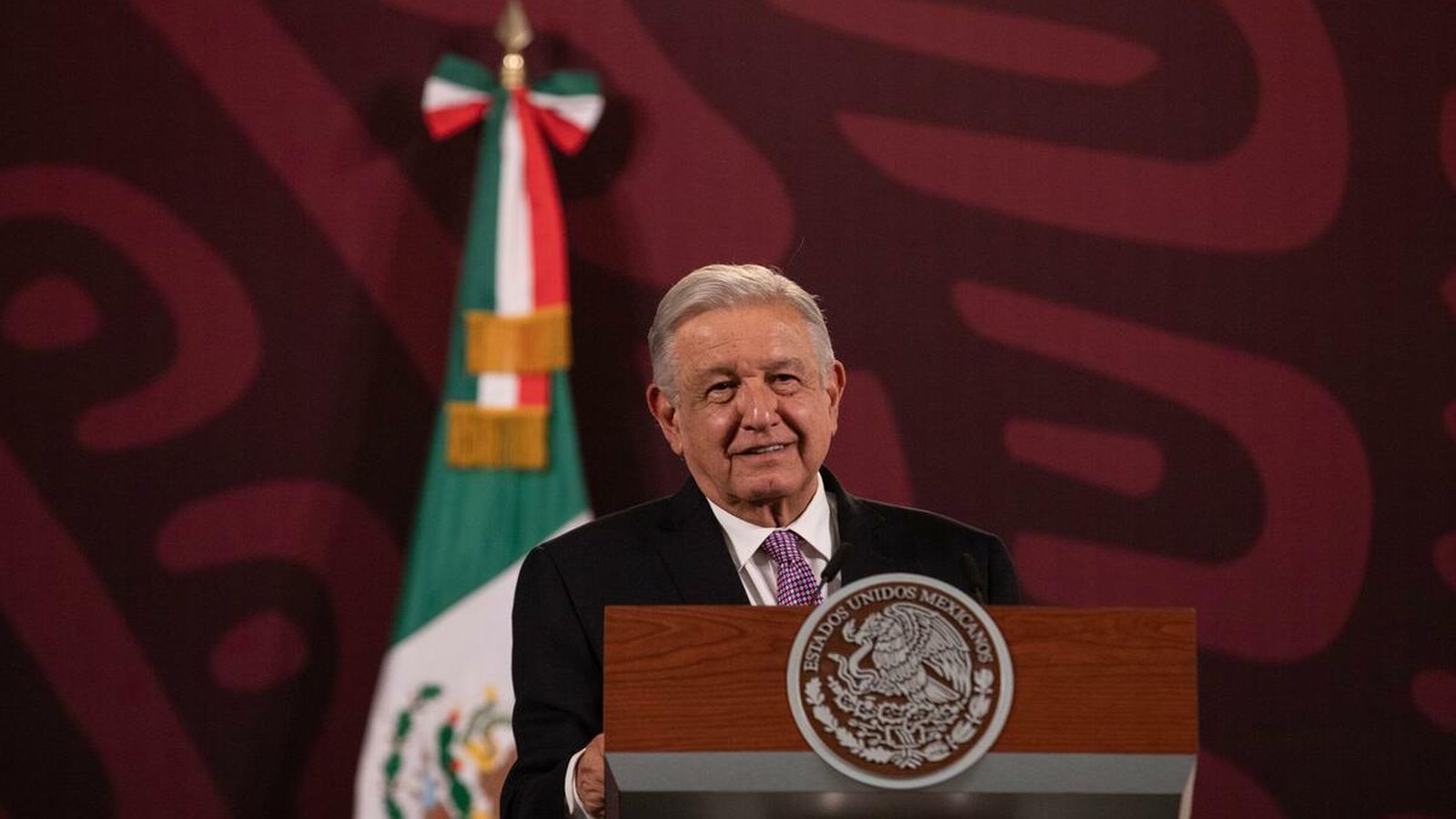
A Return to the Public Stage
Former Mexican President Andrés Manuel López Obrador has resurfaced from his 2024 retirement to deliver a scathing critique of the United States, specifically targeting the administration of President Donald Trump. In a letter published on X, López Obrador accused Washington of employing “interventionist and unscrupulous practices” aimed at weakening the ruling Morena party and bolstering Mexico’s right-wing opposition.
His intervention comes at a critical juncture for his successor, President Claudia Sheinbaum. Over the past several weeks, tensions between Mexico City and Washington have escalated, fueled by U.S. allegations of ties between high-ranking Mexican officials and drug cartels, as well as unauthorized security operations conducted by U.S. intelligence agencies on Mexican soil.
The Security-Trade Nexus
The core of the current bilateral friction lies in the U.S. Department of Justice’s recent indictments of ten Mexican officials for alleged drug trafficking, including the revocation of visas for the governors of Tamaulipas and Sonora. These security-related actions have created a ripple effect, threatening to spill over into the economic sphere. While the U.S. administration frames these moves as an anti-corruption and anti-narcotics campaign, López Obrador argues they are a strategic maneuver to destabilize the Mexican state.
The stakes are profound. As the U.S. considers potential trade tariffs in response to labor and security disputes, the economic stability of the North American trade corridor is increasingly at risk. Analysts suggest that the disconnect between high-level security cooperation and the current diplomatic hostility is unprecedented, effectively forcing President Sheinbaum to balance domestic demands for sovereignty with the necessity of maintaining a functioning trade relationship with Washington.
Analysis: Sovereignty vs. Geopolitical Pressure
López Obrador’s rhetoric marks a departure from the relatively cooperative, albeit strained, relationship the two countries maintained throughout 2025. By framing Trump’s current actions as a departure from his previous term—where the two leaders managed to avoid the formal designation of cartels as terrorist organizations—López Obrador is attempting to provide political cover for Sheinbaum. He suggests that the “new” Trump is being misled by “false friends and advisors.”
However, this framing ignores the structural shift in U.S. policy toward Mexico. The designation of cartels as terrorist organizations, which the Trump administration has now solidified, represents a fundamental change in how the U.S. views its border security. For Sheinbaum, the challenge is twofold: she must address the corruption allegations to satisfy international legal standards while simultaneously preventing the “narco-terrorism” label from being used as a pretext for further U.S. intervention in Mexican internal affairs. The durability of her administration will likely depend on her ability to decouple these security tensions from broader trade agreements.