


USMCA Under Review: Trump’s Tariffs Set the Stage
The North American trade landscape is changing once again. Last week, the United States officially kicked off its review of the United States-Mexico-Canada Agreement (USMCA), reigniting tensions that have simmered since the Trump administration imposed sweeping tariffs on Canadian goods. For months, behind closed doors and in hushed conference calls, informal talks flickered but rarely flared. Now, the negotiations are out in the open, and the stakes are higher than ever.
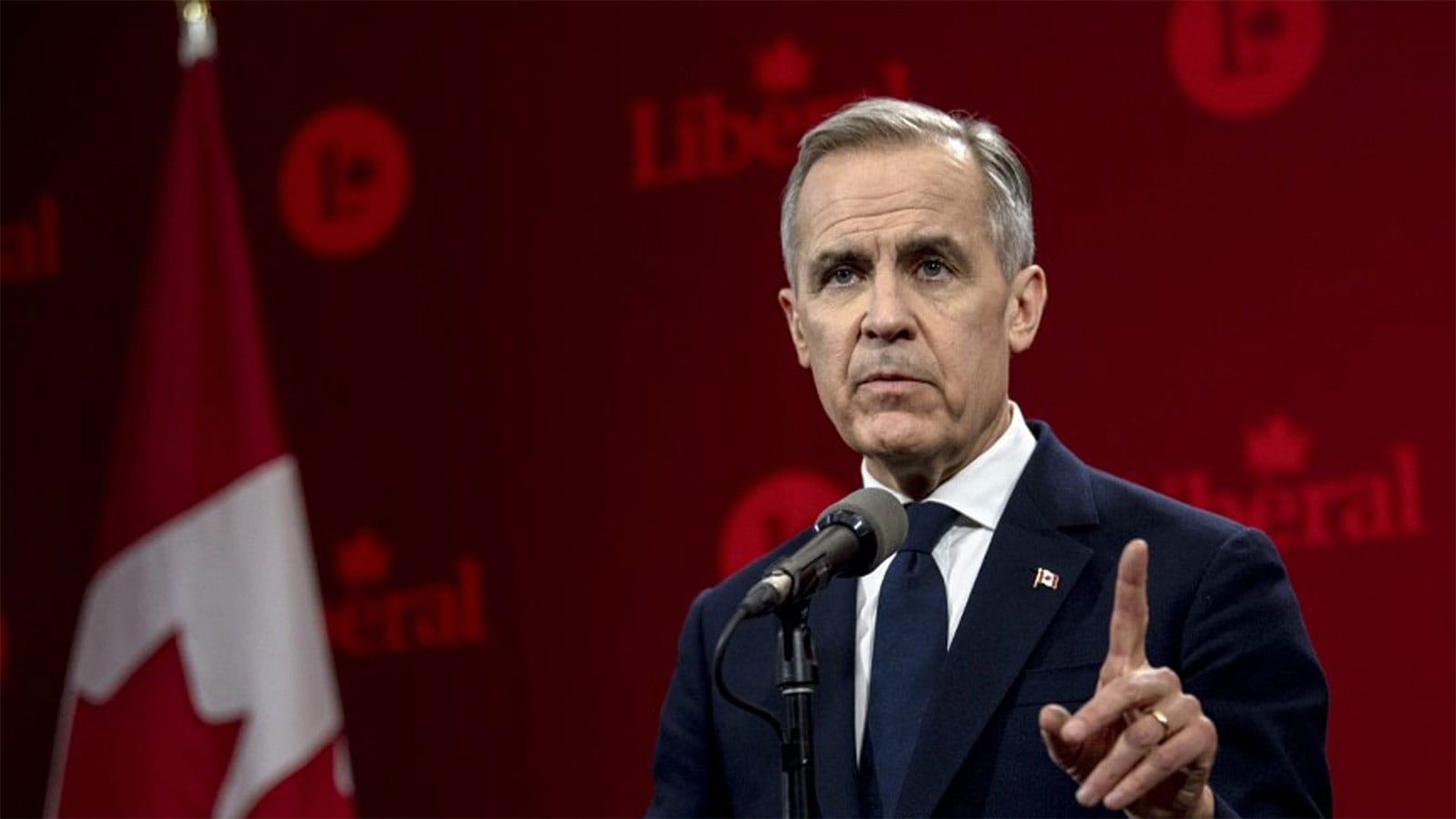
This time, the spotlight falls squarely on Prime Minister Mark Carney—a former central banker renowned for his deft handling of global crises—now tasked with protecting Canada’s economic interests on a stage set by persistent American protectionism. Carney’s challenge: to secure a fair deal for Canada while navigating the bruised legacy of Trump’s trade tactics.
Carney’s Approach: Strategic Diplomacy Amid Economic Uncertainty
Mark Carney is no stranger to economic turbulence. As former governor of both the Bank of Canada and the Bank of England, his credentials bring gravitas to the negotiating table. Yet, the current scenario presents a unique test. The Trump tariffs, initially justified as leverage against what the U.S. called unfair trade practices, remain a thorn in Canada’s side. Aluminum, steel, and a slew of agricultural products continue to bear the brunt of these duties, costing Canadian exporters millions each year.
According to The Globe and Mail, Carney’s primary goal is to “restore balance” to a trade relationship that has been anything but predictable. His strategy involves a blend of assertiveness and pragmatic compromise. Sources close to the negotiations suggest Carney is willing to push back hard against American demands, yet open to creative solutions that could benefit both sides—especially in sectors like automotive manufacturing and digital commerce, where the rules are evolving fast.
Key Points of Contention: Tariffs, Technology, and Trust
At the heart of these talks lie several flashpoints. Tariffs are the most visible, but the underlying issues run deeper. For one, U.S. negotiators are signaling a desire for stricter enforcement of intellectual property laws and expanded access to Canadian agricultural markets. Meanwhile, Canada seeks greater protections for its dairy sector and assurances that labor and environmental standards won’t be sacrificed for economic expediency.
Technology is another battleground. The rise of e-commerce and digital services has exposed gaps in the current USMCA framework, prompting both sides to propose updates that reflect the realities of 21st-century trade. Carney’s team is reportedly advocating for clearer rules on cross-border data flows, a move that could strengthen Canada’s tech industry but may face resistance from U.S. lawmakers wary of data privacy and security.
Trust, however, remains the most elusive currency. The legacy of Trump-era negotiations—marked by abrupt policy shifts and public threats—has left Canadian officials wary of sudden reversals. Carney’s reputation for steadiness may help, but the shadow of unpredictability looms large.
Economic Impact: What’s at Stake for Canadians?
For Canadian businesses and workers, the outcome of these talks is more than a matter of diplomatic pride—it’s a question of survival. Steel mills in Hamilton, wheat farmers in Saskatchewan, and tech entrepreneurs in Toronto all have skin in the game. The tariffs have already forced some companies to lay off staff or pivot to new markets, with ripple effects across the broader economy.
Mark Rendell, economic correspondent for The Globe and Mail, notes that “the longer these tariffs persist, the greater the risk of lasting damage to Canada’s manufacturing base.” The review process itself could take months, but even the hint of progress has given some businesses hope. Others remain skeptical, fearing that political brinkmanship will overshadow practical solutions.
The Road Ahead: Negotiation, Adaptation, and Uncertainty
As formal talks proceed, Carney’s government faces pressure from opposition parties, industry groups, and ordinary Canadians alike. Calls for transparency and accountability are mounting, with many demanding regular updates on the status of negotiations. The federal cabinet has convened special sessions to assess risk and strategize, while provincial leaders lobby for regional interests.
Meanwhile, American politics remains in flux. With the next presidential election looming, some analysts worry that trade policy could become a bargaining chip in broader geopolitical contests. The specter of further tariffs or even a breakdown in talks cannot be ignored.
Yet amid uncertainty, Carney is playing a long game. His approach reflects a belief that Canada’s economic future depends not only on the outcome of these talks, but on the country’s ability to adapt to changing global realities. Whether that means retooling supply chains, investing in new technologies, or strengthening ties with alternative trading partners, the message is clear: resilience is the new currency.
Sources and Outlook
The story is still unfolding. As reported by Reuters, Canadian officials are cautiously optimistic but refuse to rule out further escalation. Meanwhile, The Globe and Mail continues to provide in-depth coverage of each development, offering expert analysis and interviews with key players.
For now, Canadians watch and wait. The future of cross-border trade—so vital to the country’s prosperity—hangs in the balance. Mark Carney’s gamble may shape not just the next chapter of USMCA, but the trajectory of Canadian economic policy for years to come.
Assessment: Mark Carney’s leadership brings experience and steady resolve to an unpredictable negotiation process. But the persistent shadow of Trump-era tariffs means that Canada’s road to a fair trade deal will demand both strategic patience and bold innovation. The outcome will test not only economic policy, but the nation’s ability to redefine its place in North American commerce.