


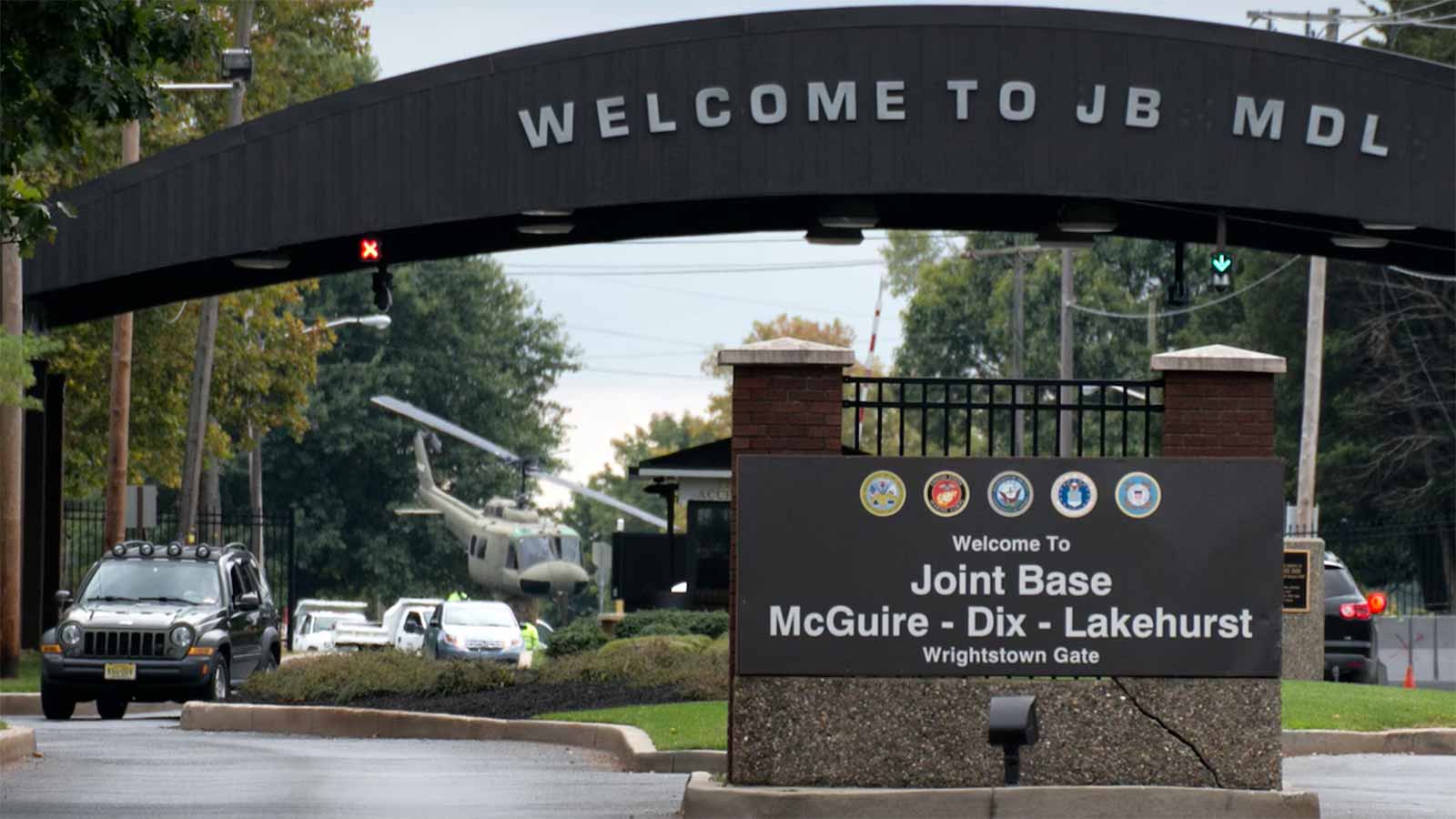
Joint Base McGuire-Dix-Lakehurst Faces Brief Lockdown After Security Threat
On a brisk Tuesday morning in New Hanover Township, New Jersey, Joint Base McGuire-Dix-Lakehurst found itself under an abrupt lockdown. The order, issued to all personnel stationed at one of the United States’ critical military installations, sent a ripple of concern across the sprawling base and into the wider community.
Within moments, indoor personnel were instructed to remain sheltered, while those outdoors were urged to seek immediate cover. The base, which has recently gained increased attention as one of two holding sites for detained immigrants, became the focus of rapid-response coordination between military officials and local authorities.
Swift Response and Clear Communication
The lockdown, which lasted less than an hour, was marked by clear and direct communication from base officials. The message was unambiguous: stay put and wait for further instructions. New Jersey Governor Phil Murphy amplified these directives, urging everyone on the base to “follow the instructions of your commanders and emergency response officials.”
For those inside, the sudden shift from routine to emergency protocol was a stark reminder of the unpredictability that can define life on a military installation. Yet, as quickly as the threat emerged, it was resolved. The base command announced that the situation was clear, and regular operations could resume. Relief swept through the ranks as order returned, but the incident left lingering questions about preparedness and public safety.
Significance of McGuire-Dix-Lakehurst Base
Joint Base McGuire-Dix-Lakehurst stands as a testament to military integration and adaptability. Formed from the merger of three distinct installations, the base serves as a hub for air, land, and naval operations. Its strategic importance has only grown in recent years, especially after it was designated as a holding site for detained immigrants by Defense Secretary Pete Hegseth.
The base’s multifaceted role means that security protocols must be robust and versatile. Tuesday’s incident, though resolved quickly, was a test of those systems. It demonstrated how swiftly military and civilian authorities can coordinate, and how essential clear lines of communication are in maintaining safety and order.
Community Reaction and Ongoing Questions
As news of the lockdown broke, local communities watched with concern. For many families living on or near the base, such alerts stir memories of past emergencies and heighten awareness of ongoing security risks. Social media channels buzzed with updates and reassurances, reflecting both anxiety and confidence in the base’s ability to manage potential threats.
While the official statement declared the threat neutralized, the nature of the incident remains undisclosed. This lack of detail is not unusual in military operations, where operational security often takes precedence over public disclosure. Still, the event has prompted renewed discussions about the balance between transparency and safety in military communications.
Looking Forward: Lessons Learned
For the personnel at Joint Base McGuire-Dix-Lakehurst, Tuesday’s lockdown was more than a drill—it was a live demonstration of preparedness in the face of uncertainty. The rapid resolution is a testament to the training and protocols that underpin life on the base. Yet, it also serves as a reminder of the ever-present need for vigilance, adaptability, and community trust.
As the dust settles, questions linger: What was the specific nature of the threat? How did the response teams mobilize so quickly? And what steps are being taken to ensure future incidents are managed with the same efficiency?
Military bases like McGuire-Dix-Lakehurst operate at the intersection of national security and daily life. The swift lifting of the lockdown offers reassurance, but also underscores the unpredictability that defines the modern military landscape. The event will likely become a reference point in discussions about base security and emergency response, shaping policy and practice for years to come.
For now, life at Joint Base McGuire-Dix-Lakehurst returns to its rhythm—marked by vigilance, readiness, and the quiet resilience of those who serve.
This incident, as reported by NewsNation, highlights the effectiveness of rapid-response protocols at major military installations. The brief but decisive lockdown at Joint Base McGuire-Dix-Lakehurst demonstrated the value of clear communication and coordinated action, reinforcing both the community’s trust in its leaders and the critical importance of ongoing preparedness.