


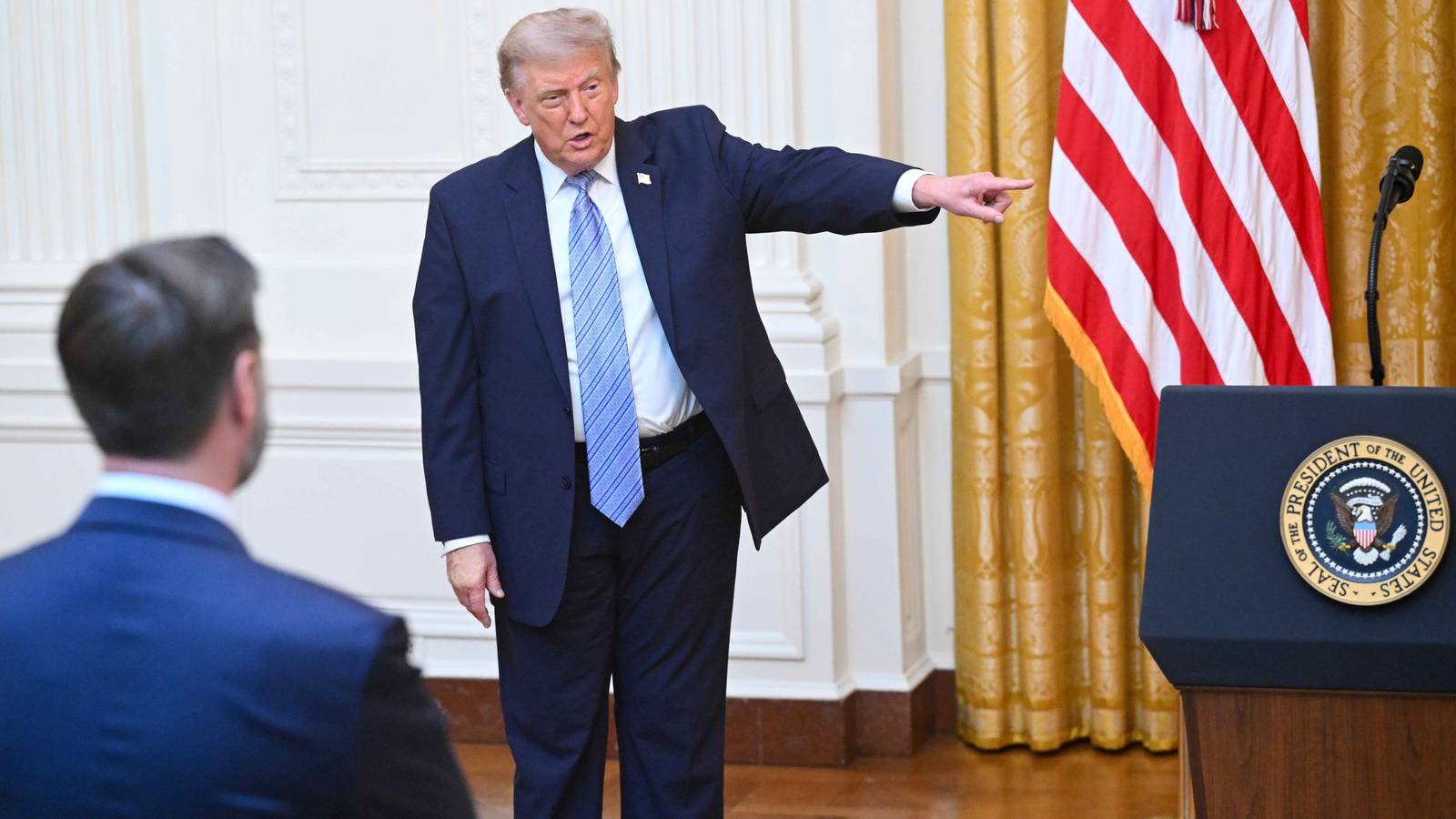
Editorial Approaches to the Presidential Address
On Thursday, July 16, 2026, President Donald Trump delivered a 22-minute address from the White House focused on election integrity. The speech, which cast doubt on the 2020 election results and alleged systemic vulnerabilities in U.S. voting, prompted a significant debate among major television networks regarding how to cover the event without amplifying unverified claims.
The networks’ responses were varied. NBC and ABC opted not to air the speech live on their main broadcast channels, choosing instead to stream it via their digital platforms, NBC News NOW and ABC News Live. CBS took a hybrid approach, interrupting regular programming for a special report but cutting away from the speech periodically to provide context and fact-checking. CNN elected not to air the address live, choosing instead to monitor the event and report on it afterward. Meanwhile, Fox News aired the speech in full.
President Trump criticized the networks that did not carry the address live, suggesting that their broadcast licenses should be revoked. This tension highlights the ongoing friction between the White House and major media outlets regarding the responsibility to air presidential statements versus the obligation to prevent the spread of misinformation.
Fact-Checking Claims
The core of the President’s speech centered on the integrity of U.S. elections, with several claims that experts and government agencies have refuted. According to analysis from CBS News and data from the Cybersecurity and Infrastructure Security Agency (CISA):
- Voter Rolls: While Trump claimed that “hundreds of thousands of non-citizens and dead people” remain active on voter rolls, election officials note that such instances are statistically rare and do not impact election outcomes.
- Voting Infrastructure: Claims that voting machines are inherently compromised have been countered by CISA, which has stated there is no evidence of malicious activity affecting the integrity of the 2024 elections.
- Mail-in Ballots: Trump characterized mail-in ballots as “inherently corrupt,” despite studies—including data from the Brookings Institute—showing fraud rates in mail-in voting are approximately 0.000043%.
The Cybersecurity and Infrastructure Security Agency has consistently described the 2020 election as the “most secure in American history,” a stance that remains at odds with the President’s repeated, unsubstantiated assertions.
Broader Context and Institutional Stakes
The debate over the speech coverage occurred against a backdrop of wider institutional scrutiny. Beyond the election integrity rhetoric, newsrooms are currently managing multiple crises, including the investigation into a White House teleprompter operator accused of using insider information to bet on presidential speech topics via prediction markets. Additionally, security concerns were heightened following an incident at the NBC “Today” show studio, where a man entered an unauthorized area to confront an anchor, further complicating the operational environment for major media organizations.