


Regulatory inquiry launched
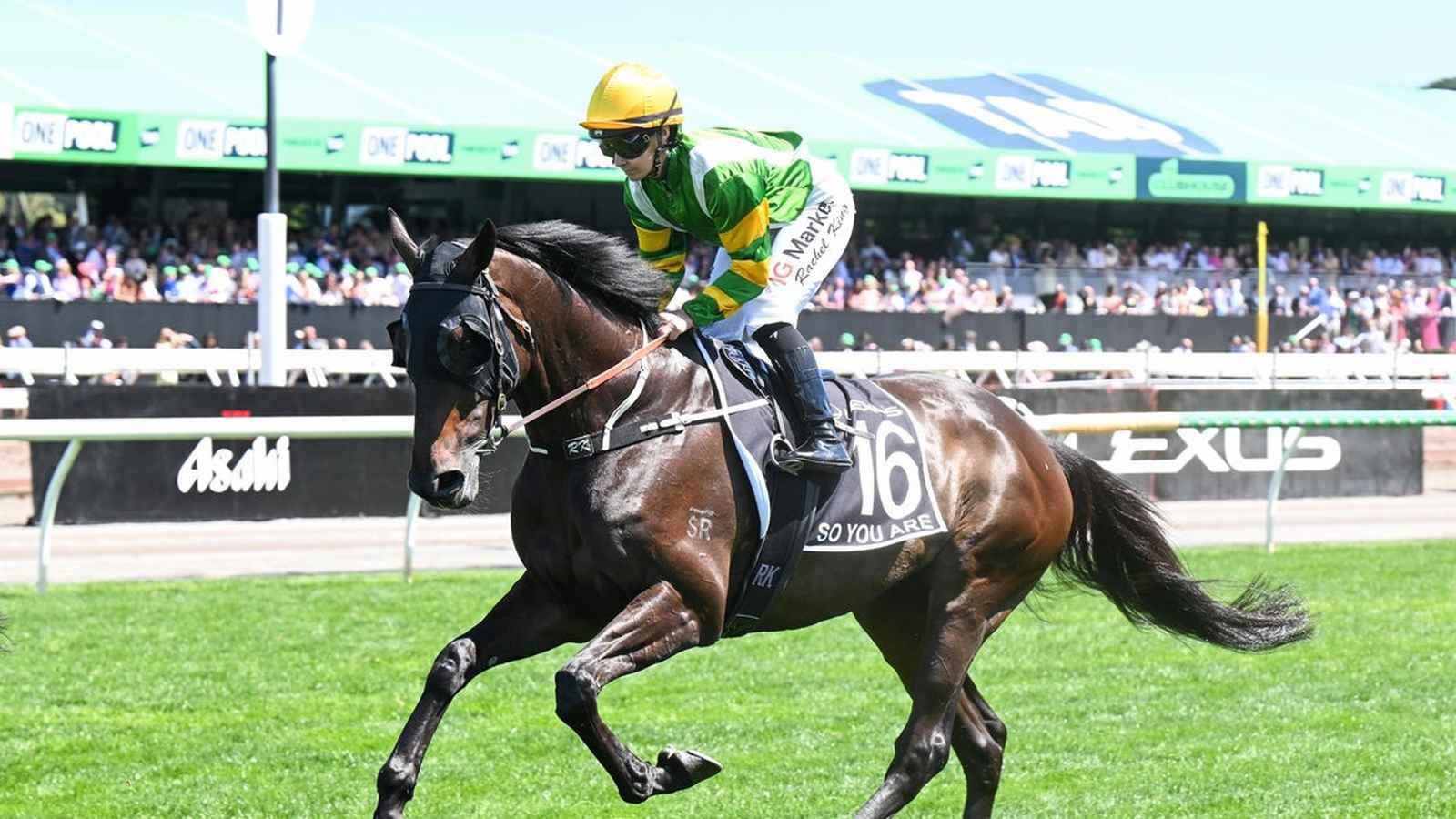
Racing New South Wales has launched a formal investigation into the handling of the remains of So You Are, a five-year-old racehorse who competed in the 2026 Melbourne Cup. On November 16, 2026, the horse’s body was discovered in a waste skip at the Lucas Heights landfill facility in southern Sydney. The discovery, captured in a video that circulated on social media, has prompted widespread condemnation from the racing industry and the animal’s connections.
So You Are, trained by Bjorn Baker and owned by Stuart and Trish Ramsey, had been euthanized earlier that day at the REC Equine Specialists hospital following a severe bout of colic. The horse had finished eighth in the Melbourne Cup just two weeks prior. The incident occurred after the horse was transported to the waste facility by a contractor, where it was placed into a skip bin while awaiting burial. While industry protocols acknowledge that licensed landfills are the preferred disposal sites for horses euthanized due to chemical sedation, the specific manner in which the animal’s remains were left has been deemed “totally unacceptable” by The Athletic.
A failure in professional standards
The controversy centers on the gap between the industry’s promise of “dignified” care for retired or deceased racehorses and the reality of the disposal process. REC Equine Specialists, the veterinary facility responsible for the horse, confirmed in a statement reported by the Thoroughbred Daily News that they contracted the service provider and take “full responsibility” for the arrangements. Managing partner Dr. Jonathan Lumsden apologized, stating that the horse should have been promptly and respectfully buried and that the current situation was disrespectful to both the animal and its owners.
Cleanaway, the waste management company that operates the Lucas Heights site, explained that the horse arrived in a small tipper truck that was prohibited from entering the landfill site for safety reasons. Consequently, the carcass was transferred into a skip bin to facilitate disposal. This procedural step, while perhaps operationally standard for the waste facility, has triggered a broader review of how equine remains are managed between veterinary care and final interment. Racing New South Wales has indicated that it will not hesitate to take appropriate action if the ongoing investigation identifies any wrongdoing or breaches of industry welfare guidelines.
Industry and public reaction
Trainer Bjorn Baker, who had achieved three consecutive wins with So You Are prior to the Melbourne Cup, expressed profound distress over the footage. “He was a much-loved horse, and he deserved to be treated with dignity and respect after his death,” Baker said in a public statement. The incident has intensified public scrutiny regarding the transparency and ethics of end-of-life protocols within the Australian thoroughbred industry.
For many observers, the sight of a high-profile racehorse in a skip highlights a systemic failure to ensure that disposal practices match the public image of the sport, which often emphasizes the bond between trainers, owners, and their horses. As the investigation progresses, the focus will remain on whether current regulations provide sufficient oversight of third-party contractors and whether stricter mandates for the respectful handling of deceased animals are required to prevent a recurrence of such events.
Systemic review of equine disposal protocols
The unfolding developments surrounding the discovery of So You Are have brought long-standing industry practices under intense microscope, forcing regulatory bodies to re-examine the intermediaries responsible for handling animal remains after veterinary procedures conclude. Although veterinarians routinely utilize chemical sedation and euthanasia to alleviate suffering during critical medical emergencies like severe colic, the transition from clinical care to final burial remains a vulnerable logistical chain. Stakeholders across the sport are now demanding transparent accountability to ensure that third-party contractors adhere to the same ethical standards expected within racing stables and veterinary hospitals.
Public figures and animal welfare advocates have voiced severe criticism regarding the apparent disconnect between official policy and operational reality. State politicians and welfare organizations pointed out that incidents of this nature severely undermine public trust in racing administration. The regulatory oversight by Racing New South Wales is expected to establish whether current guidelines require immediate amendment, potentially introducing mandatory tracking or direct supervision of equine remains until final interment is completed. As veterinary leaders like Dr. Lumsden pledge to reform internal protocols alongside waste management partners like Cleanaway, the broader racing community confronts an urgent mandate to align its practical end-of-life procedures with its stated reverence for equine athletes.