


A Strategic Pivot Post-Midterms
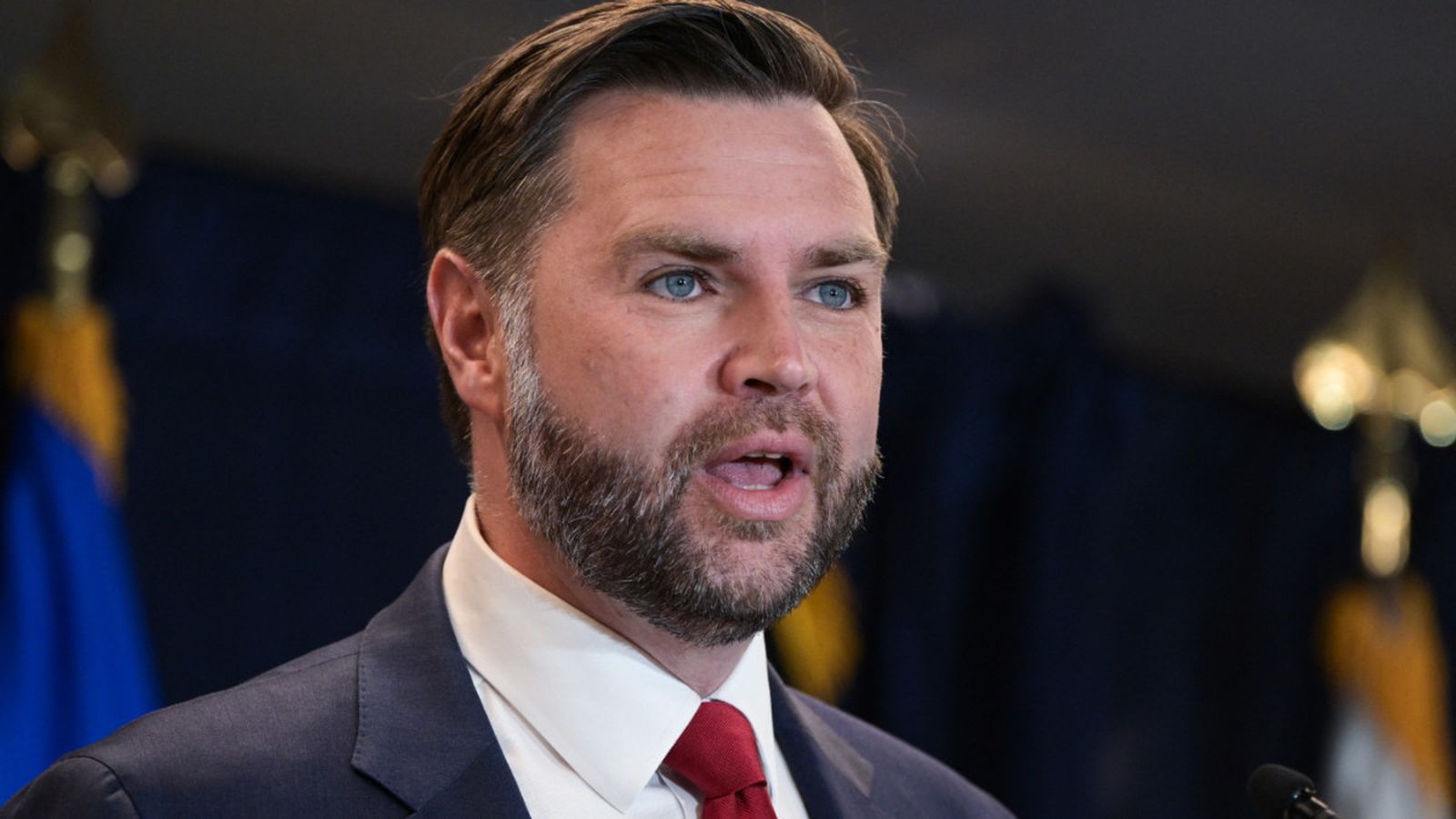
On November 13, 2026, President Donald Trump publicly declared that a diplomatic deal with Iran is unnecessary, signaling a sharp departure from earlier administration efforts to negotiate an end to the ongoing conflict. This announcement, issued via his Truth Social platform, coincides with the formal reassignment of Vice President JD Vance. Vance, who had previously spearheaded diplomatic efforts in Islamabad and Switzerland, has been directed by the president to focus his attention on investigating alleged corruption and crime in Democratic-controlled jurisdictions, according to Al Jazeera.
This administrative shift follows significant Republican losses in the recent midterm elections. Vice President Vance had previously attributed these electoral setbacks directly to the economic and political costs of the war on Iran. In a public statement on X, Vance asserted that the conflict was the primary cause of the party’s failure to maintain its Senate majority. By distancing himself from the war effort, Vance has drawn a clear line between his diplomatic approach and the president’s current posture. The internal political fallout from the midterm elections and the subsequent reassignment of the Vice President highlight a strategic split within the administration regarding the war’s costs.
The Collapse of Diplomatic Channels
The reassignment of Vance underscores a deepening internal divide within the administration. While Secretary of State Marco Rubio maintains that the current economic pressure campaign against Tehran is sufficient to negate the need for large-scale military operations, Trump’s rhetoric has fluctuated. Despite recent threats to destroy Iranian infrastructure, the president indicated this week that further military strikes are unlikely, citing requests from regional allies—including Saudi Arabia, Qatar, and the UAE—to maintain the current status quo.
Diplomatic efforts, which once held promise, have largely stalled. The June memorandum of understanding reached in Islamabad collapsed due to fundamental disagreements regarding the control of the Strait of Hormuz. Iran’s parliament speaker, Mohammad Bagher Ghalibaf, stated that the waterway will not return to its pre-war status, where commercial shipping passed without tolls. Iran has reportedly presented a seven-point ceasefire proposal through Qatari mediators, which includes lifting the naval blockade and economic sanctions. The United States has historically refused these terms, insisting on a prior agreement regarding Iran’s nuclear program.
Uncertainty in the Strait of Hormuz
The military landscape remains volatile. On the morning of November 13, Iranian forces claimed to have destroyed a US military early-warning radar system in Bahrain in retaliation for a strike on a telecommunications tower in Sirik. Although President Trump continues to insist that Washington maintains control over the Strait of Hormuz, the presence of naval mines and reported strikes on commercial vessels suggest a persistent threat to global energy supplies. With one-fifth of the world’s oil supply flowing through the strait in peacetime, the regional instability continues to exert pressure on global energy markets.
As the administration pivots toward domestic political survival, the status of the ‘no war, no peace’ situation remains unresolved. The president’s assertion that the U.S. has already secured Iranian funds and control of the waterway suggests a hardening position that leaves little room for the diplomatic resolution previously advocated by the Vice President. Analysts note that Trump’s move to sideline Vance serves to consolidate authority over foreign policy during a period of record-low approval ratings, effectively neutralizing internal dissent regarding the war’s trajectory. The move to isolate Vance, who had been heavily involved in back-channel talks with Iranian officials through Qatari and Pakistani mediators, leaves a vacuum in the administration’s foreign policy apparatus.
The Future of the Conflict
Looking ahead, the administration faces a complex set of variables. While Trump claims that the U.S. has the upper hand, the reality on the ground is marked by persistent disruption. The Revolutionary Guard Corps continues to assert its influence, and the threat of a broader shadow war remains high. With the U.S. now seemingly abandoning the prospect of a formal deal, the focus has shifted entirely to sustaining the economic blockade. Secretary of State Marco Rubio has doubled down on this approach, suggesting that economic pressure will eventually force Tehran to capitulate. However, historical precedent and the current resilience of the Iranian regime suggest that this strategy may lead to a prolonged stalemate rather than a decisive victory.
The sidelining of Vance is not merely a domestic political maneuver; it represents a fundamental change in how the White House manages international crises. By removing his most prominent internal critic, Trump has effectively silenced dissent within his cabinet, ensuring that future policy decisions are made without the pressure of diplomatic alternatives. This consolidation of power comes at a time when the administration is struggling with low approval ratings and the lingering economic consequences of the conflict. Whether this strategy will prove successful remains to be seen, but for now, the administration appears committed to a policy of ‘no war, no peace’ that leaves the region in a state of high uncertainty. As both sides dig in, the international community watches with concern, waiting to see if the current standoff will hold or if it will inevitably descend into a new phase of escalation.
The role of regional allies is also critical in this evolving dynamic. While they have urged the U.S. to maintain the current status quo, their patience may wear thin as the economic impact of the war continues to be felt across the Gulf. The delicate balance between military posturing and diplomatic engagement has been disrupted by the president’s latest declarations, leaving regional players to navigate an increasingly unpredictable environment. For now, the focus remains on the Strait of Hormuz, where the movement of global energy supplies continues to be threatened by the ongoing conflict. As the administration continues to navigate these challenges, the absence of a clear diplomatic strategy suggests that the current instability is likely to persist for the foreseeable future.