


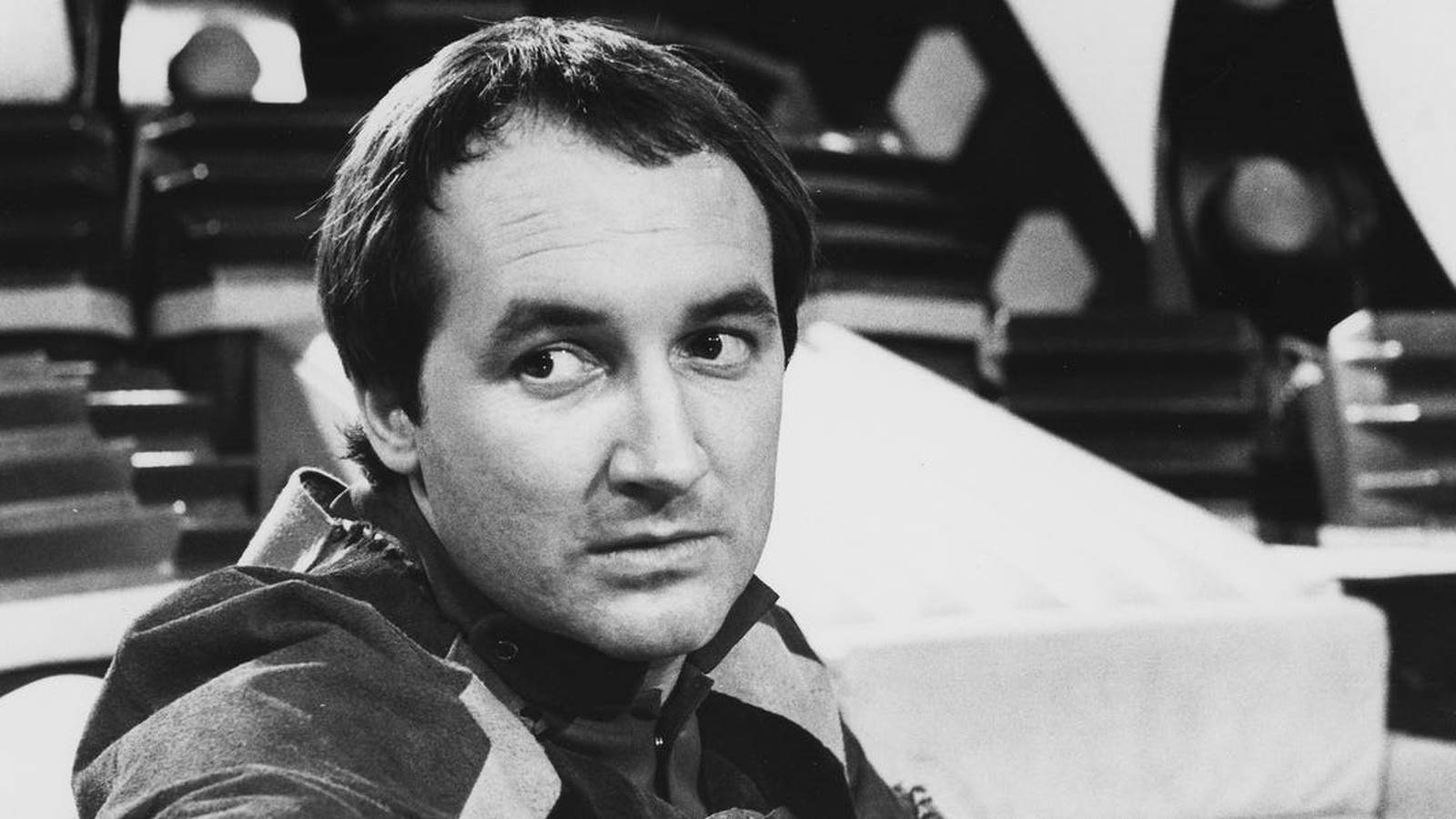
The Passing of a Television Institution
The British entertainment landscape has lost one of its most enduring figures. Michael Keating, an actor whose presence defined the golden era of BBC science fiction and the modern era of soap opera, has died at the age of 79. His passing, confirmed by his agent Dan Ireson to USA TODAY and other major outlets on May 21, 2026, marks the end of a career that spanned over five decades, leaving a void in the institutional memory of British public broadcasting. Keating, born in Edmonton, London, in 1947, represented a generation of actors who provided the backbone for the United Kingdom’s cultural export—versatile, classically trained, and capable of commanding both the stage and the screen.
Reports indicate that Keating’s final years were marked by a struggle with dementia, a neurodegenerative condition that led to his gradual withdrawal from the public eye. His death has prompted an outpouring of tributes from colleagues, critics, and fans, reflecting his status not merely as a performer, but as a cultural fixture. From the corridors of the National Theatre to the gritty streets of Walford, Keating’s work reflected the evolving socioeconomic and artistic priorities of the BBC and the wider British media industry.
Vila Restal: A Masterclass in Sci-Fi Subversion
While Keating appeared in dozens of productions, his most significant contribution to the television canon was his portrayal of Vila Restal in Blake’s 7 (1978–1981). Created by Terry Nation, the series was a stark, cynical departure from the optimistic tropes of the genre. Keating’s Vila was the only character to appear in all 52 episodes of the series, providing a crucial emotional and comedic anchor to the show’s dark narrative. As noted by Digital Spy, Vila was not the typical hero; he was a self-confessed coward and a brilliant lock-picker, a character who used wit and sarcasm as a survival mechanism in a dystopian universe.
The impact of Blake’s 7 cannot be overstated. During the late 1970s, it served as a counterpoint to the high-budget escapism of American productions, focusing instead on political rebellion and the psychological toll of resistance. Keating’s performance was integral to this success. Audio producer Peter Anghelides, who worked with Keating on later audio dramas for Big Finish, remarked that Keating brought a “richness” to the role that transcended simple comic relief. His ability to balance fear with humor made Vila the most relatable character for millions of viewers, securing Keating’s place in the pantheon of science fiction icons.
From the Liberator to Walford: The Reverend George Stevens
In the latter half of his career, Keating transitioned from the fringes of space to the heart of British soap opera. Between 2005 and 2017, he portrayed Reverend George Stevens in EastEnders, appearing in over 50 episodes. This role showcased Keating’s range, moving from the roguish energy of his youth to a more paternal, institutional presence. As the vicar of Walford, his character was central to the show’s social fabric, presiding over the weddings, funerals, and christenings that define the cyclical nature of the long-running BBC series.
His tenure on EastEnders coincided with a period where the show tackled complex social issues, and the presence of a steady, moral figure like Reverend Stevens provided a necessary narrative foil to the high-octane drama of the square. According to The Independent, Keating’s ability to imbue even minor roles with dignity and authenticity was the hallmark of his professional life. His work on the soap opera ensured that he remained a familiar face to a new generation of viewers, bridging the gap between those who remembered the cult hits of the 1970s and those who consumed the daily staples of modern television.
A Legacy Beyond the Screen
Keating’s career was not limited to the screen. He was a veteran of the London stage, performing at prestigious venues such as the Old Vic and the National Theatre. In 1985, he originated the role of Marty in the West End production Are You Lonesome Tonight, a play about the life of Elvis Presley. This theatrical foundation informed his television work, providing him with the discipline and timing that colleagues frequently cited as his greatest assets. In his later years, he embraced the burgeoning industry of audio dramas and fan conventions, reprising his role as Vila for Big Finish Productions and maintaining a close connection with the Blake’s 7 community.
Financially, while Keating was never a Hollywood blockbuster star, his steady work in British television and his involvement in the lucrative science fiction convention circuit provided a stable career. Industry estimates suggest a net worth between $1 million and $3 million, a testament to the viability of a career built on consistent character work and institutional loyalty rather than fleeting celebrity. His passing is a reminder of the vital role that character actors play in the health of a national film and television industry.
The death of Michael Keating represents more than the loss of a single actor; it signifies the fading of a specific era of British public service broadcasting. Actors like Keating were the connective tissue of the BBC, moving seamlessly between high-concept genre experiments and the grounded social realism of soap operas. In an age of fragmented media and transient fame, Keating’s fifty-year career stands as a model of professional longevity and cultural relevance. His ability to maintain a ‘cult’ following while simultaneously serving as a household name in domestic drama highlights a unique duality in British entertainment history. As the industry continues to shift toward globalized streaming platforms, the departure of such foundational figures underscores the need to preserve the heritage of the character-driven storytelling they pioneered.