


A Defining Moment for Michigan Democrats
As primary results roll in from across Michigan, the Democratic Senate primary has emerged as the central battleground for the future of the party. The contest between Representative Haley Stevens and former health official Abdul El-Sayed represents a high-profile collision between the party’s moderate establishment and its progressive wing.
Representative Stevens, bolstered by endorsements from retiring Senator Gary Peters, Governor Gretchen Whitmer, and Senate Minority Leader Chuck Schumer, has campaigned on a platform of traditional Democratic policy and institutional stability. Conversely, Abdul El-Sayed, supported by Senator Bernie Sanders and Representative Alexandria Ocasio-Cortez, has energized progressive voters with a campaign focused on systemic change and anti-establishment rhetoric.
The Variable of Voter Turnout
The outcome hinges heavily on demographic participation, particularly the Black vote. Recent polling has shown significant variance depending on how Black voter turnout is weighted. While some late-cycle polls suggested a double-digit lead for El-Sayed, these models often anticipated a lower share of Black voters. In contrast, earlier data from the Glengariff Group for the Detroit News and WDIV suggested a tighter race where Stevens performed strongly among Black voters, who represent a crucial segment of the Democratic primary electorate.
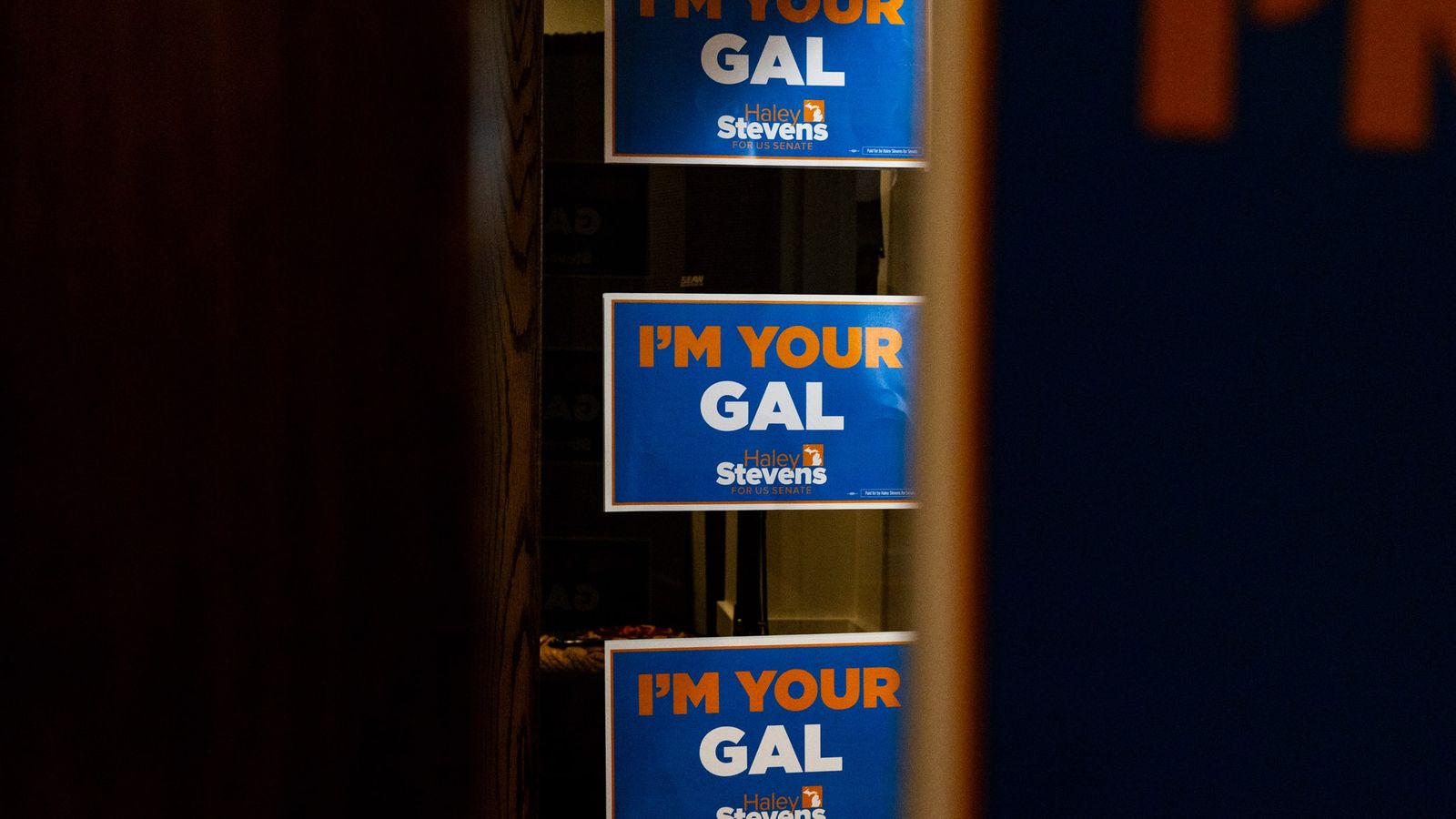
At Stevens’ campaign headquarters, the atmosphere has been described as tense, with supporters voicing concerns about the efficacy of outreach efforts to Black communities. Meanwhile, El-Sayed’s camp has maintained an air of anticipation, with supporters viewing the candidacy as a movement-based effort that extends beyond a single Senate seat.
Broader Context and Stakes
The Michigan race is occurring within a complex national landscape. Senator Bernie Sanders, speaking on the broader midterm outlook, emphasized that regardless of the primary results, he would support the eventual Democratic nominee to ensure the party retains control of the Senate. This stance reflects a wider push by national Democrats to present a united front against the Republican ticket, which features former Representative Mike Rogers as the unopposed GOP nominee.
The primary also faces scrutiny regarding the mechanics of the election itself. Candidates in Michigan’s 7th Congressional District have raised concerns over the Justice Department’s decision to monitor polling locations in four cities. While the Department of Justice maintains these efforts are standard practice to ensure trust and transparency, some local candidates have characterized the presence as an unwelcome expansion of federal oversight.
Looking Toward November
As the party awaits the final tally, the results will serve as a bellwether for the strategic direction of Democratic leadership. Whether the electorate favors the pragmatic, established approach represented by Stevens or the progressive vision championed by El-Sayed will dictate how the party mobilizes in the general election against Mike Rogers. The focus remains on which candidate can better connect with voters on a human level, transcending the internal ideological divide to address the economic and societal issues dominating the cycle.