


Escalation in the Gulf
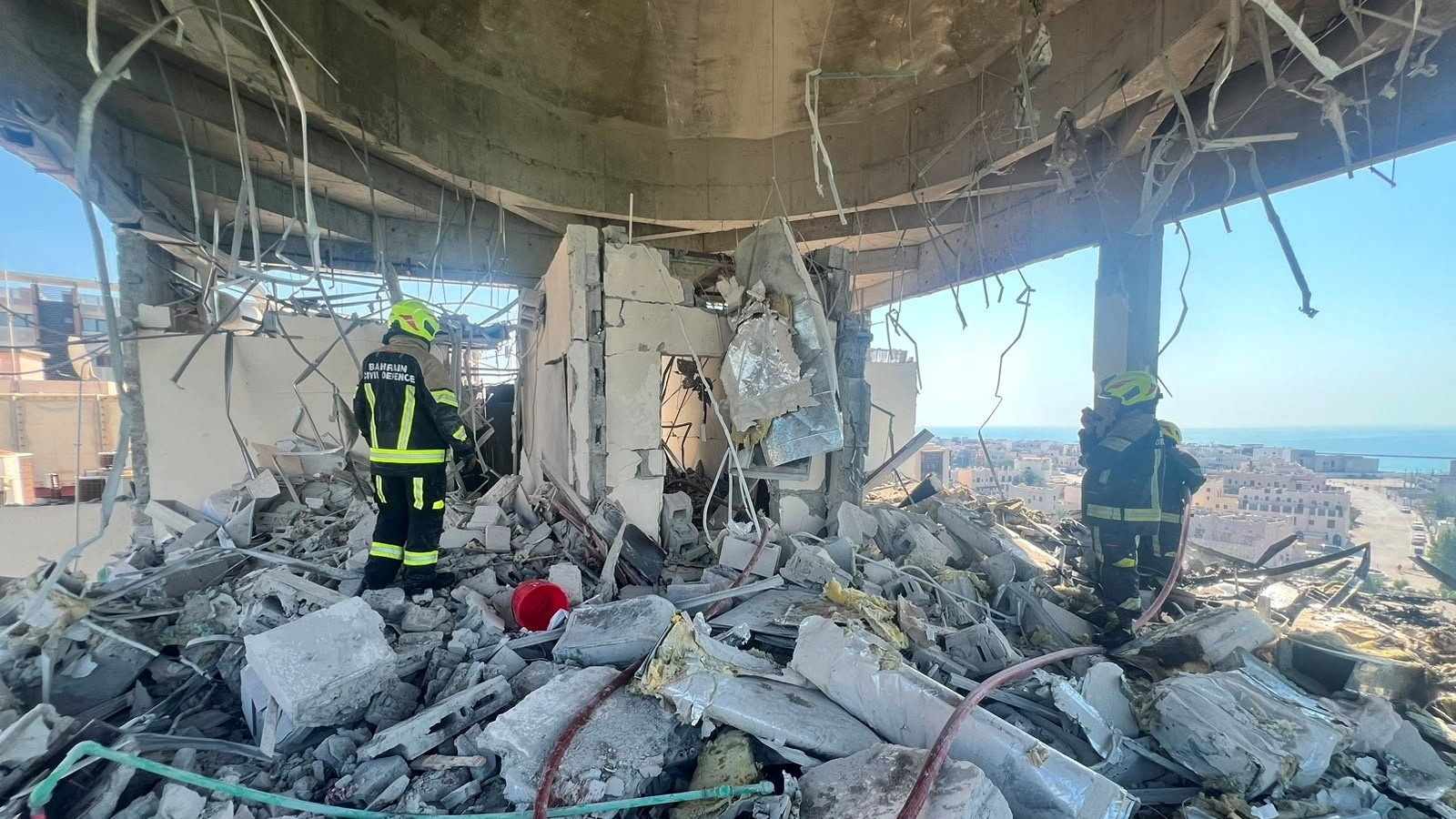
The fragile ceasefire between the United States and Iran, established only last week, is on the verge of collapse following a series of retaliatory strikes across the Persian Gulf. On Sunday, the Islamic Revolutionary Guard Corps (IRGC) launched coordinated ballistic missile and drone attacks targeting the Ali Al Salem airbase in Kuwait and the U.S. Fifth Naval Fleet facilities in Bahrain.
The attacks follow a significant U.S. Central Command (CENTCOM) operation on Saturday, which saw strikes on 10 Iranian military targets near the Strait of Hormuz. U.S. forces stated these actions were a direct response to an Iranian drone strike on the Panama-flagged tanker Kiku, which was carrying Qatari crude oil.
Stakes for Regional Stability
The conflict centers on the strategic control of the Strait of Hormuz. Iran’s Foreign Minister, Abbas Araghchi, reiterated Tehran’s stance that the waterway must remain under its exclusive oversight. Conversely, the U.S. and its allies are pushing to expand navigation routes, leading to a direct clash over maritime sovereignty. The Qatari Ministry of Interior confirmed the death of one of its citizens following shrapnel injuries sustained during the regional military operations, marking a grim escalation in the human cost of the standoff.
Analysis: The Negotiating Dilemma
The current volatility highlights the deep-seated instability of the June 17 Memorandum of Understanding (MoU). For Tehran, the Strait of Hormuz represents its primary leverage in ongoing negotiations regarding sanctions and uranium enrichment. By forcing foreign vessels to adhere to its designated routes, Iran aims to compel international recognition of its regional authority. However, this strategy has triggered a robust military response from Washington.
President Donald Trump has warned that continued violations of the ceasefire could lead to a total abandonment of diplomatic efforts, stating on social media that the U.S. may be forced to “militarily complete the job.” The situation is further complicated by political pressure within the U.S., where some lawmakers, including Congressman Ro Khanna, have argued that the recent strikes violate the War Powers Resolution.
As both nations prepare for technical talks scheduled for the coming week, the window for a sustainable resolution is narrowing. The involvement of regional hosts like Kuwait and Bahrain—who have condemned the attacks as flagrant violations of sovereignty—suggests that the conflict is no longer confined to U.S.-Iranian friction, but is rapidly drawing in Gulf partners who fear becoming collateral casualties in a broader maritime war.