


Renewed Military Confrontation
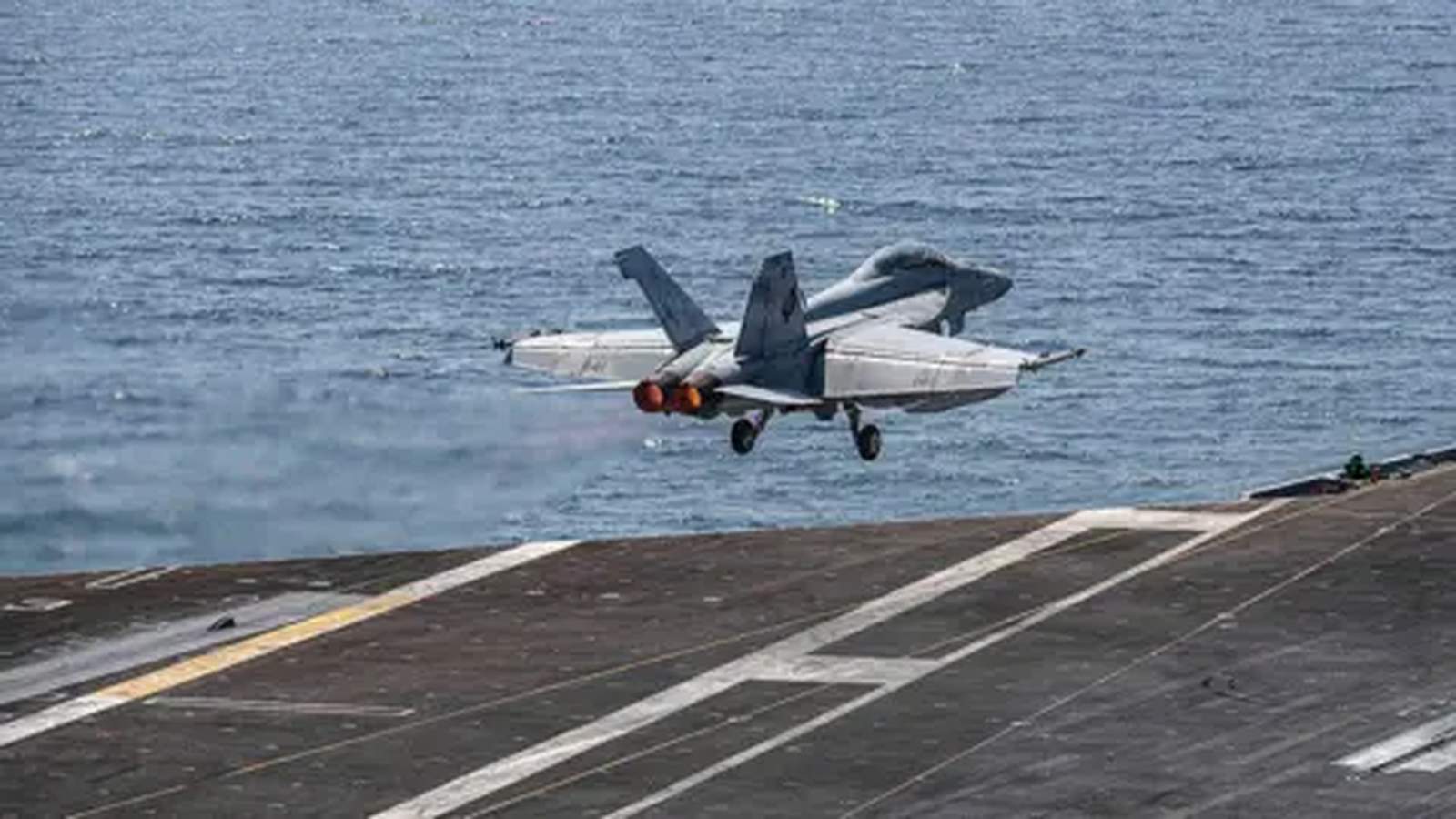
Hostilities between the United States and Iran have spiked following a series of retaliatory strikes on Thursday, May 28, 2026. The US military executed precision operations targeting Iranian drone launch sites and ground control stations in Bandar Abbas, citing an immediate threat to commercial maritime traffic and US forces in the region. According to US Central Command (Centcom), these defensive maneuvers were necessary to neutralize an imminent launch of a fifth Iranian drone near the Strait of Hormuz.
In a direct response, the Islamic Revolutionary Guard Corps (IRGC) claimed to have targeted an American air base, characterizing the action as a “serious warning” against further US aggression. While the specific location of the base remains undisclosed, the exchange has prompted heightened military alerts across the Persian Gulf, including the activation of air defense systems in Kuwait following reports of hostile drone and missile activity.
Strait of Hormuz and Economic Warfare
The Strait of Hormuz remains the primary friction point of the conflict. Since the outbreak of war on February 28, 2026, Iran has effectively blocked the waterway, causing global energy markets to react sharply. Brent crude prices surged nearly 2% to $96.13 per barrel following the latest strikes. The US Treasury Department has escalated its economic pressure by placing the newly formed “Persian Gulf Strait Authority” on the Specially Designated Nationals list. Treasury Secretary Scott Bessent described this entity as an extortion mechanism, asserting that the imposition of transit fees is clear evidence of Tehran’s financial desperation.
Despite reports from Iranian state-affiliated media suggesting a memorandum of understanding (MOU) to lift the US naval blockade in exchange for the reopening of the strait, the White House has categorically dismissed these claims as “a complete fabrication.”
Diplomatic Impasse
President Donald Trump, speaking during a Cabinet meeting on Wednesday, signaled a hardline approach to ongoing negotiations. Trump emphasized that he would not be rushed into a deal, explicitly stating, “I don’t care about the midterms.” He further suggested that any potential peace agreement might be contingent upon broader regional normalization, specifically urging Middle Eastern nations to join the Abraham Accords framework. Regarding Iran’s nuclear program, the President ruled out any sanctions relief in exchange for the surrender of highly enriched uranium, insisting that the US will maintain oversight of the Strait of Hormuz to ensure it remains open to international traffic.
The intensification of tactical strikes combined with the rigid diplomatic posturing from Washington suggests that the three-month-old conflict has entered a high-stakes phase of attrition. By linking the reopening of global shipping lanes to broader regional security architectures and nuclear disarmament, the administration is effectively raising the cost of a ceasefire. As long as both sides view the tactical strikes as ‘defensive’ measures, the risk of a miscalculation leading to a wider regional conflagration remains critically high, particularly as Israeli operations in southern Lebanon continue to exert parallel pressure on the regional security environment.