


The Clash of Perspectives
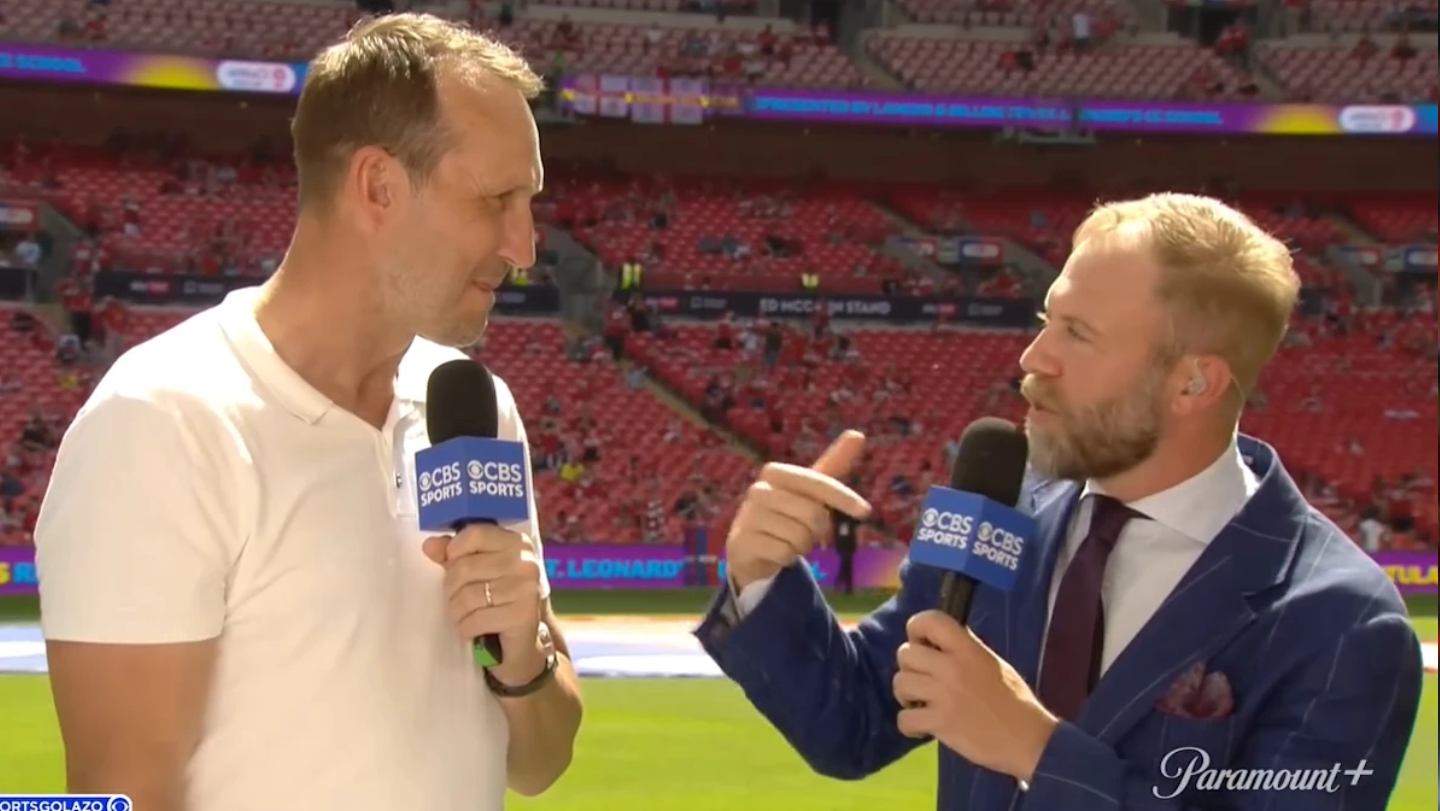
The 2026 FIFA World Cup has become as much a battle of narratives as a tournament of skill. Following Australia’s clinical 2-0 victory over Turkiye in Vancouver, the spotlight has shifted from the pitch to the media box, specifically targeting American analyst Mike Grella. Grella, a former MLS player and current CBS contributor, had repeatedly characterized the Socceroos as a “layup” and the “weakest team in the group,” citing a perceived lack of high-level European experience compared to the United States.
However, Tony Popovic’s side—a youthful squad featuring emerging stars like Nestory Irankunda—disproved these projections on Sunday. The victory, described by pundits as one of Australia’s finest performances, has triggered a significant backlash from Australian media and fans, who view Grella’s remarks as an example of dismissive, US-centric sports punditry that ignores the tactical nuance of international football.
The ‘Rage-Bait’ Punditry Model
Grella’s doubling down on his comments, despite clear evidence of the Socceroos’ discipline and defensive structure, reflects an increasingly common trend in global sports media: the use of provocative, binary analysis designed to drive engagement. By framing the Australian team as “weak” due to a lack of recognizable names in major clubs, Grella tapped into a style of analysis that prioritizes roster value over tactical cohesion.
Former Socceroo Mark Schwarzer, who appeared on a panel alongside Grella, publicly challenged these assertions, suggesting that the best way to handle such skepticism is to “let the performance do the talking.” This incident underscores a cultural friction: international football, particularly in the World Cup format, often favors teams that prioritize a collective ‘DNA’ over individual market value, a reality that the current US media landscape occasionally overlooks in its pursuit of simplified narratives.
The Stakes of the Upcoming Clash
The tension is set to escalate as Australia prepares to face the United States in Seattle on June 20. With both teams having secured opening-match victories, the match is no longer just a group-stage fixture; it has become a symbolic contest between two differing philosophies of squad development and media representation. For Australia, the win over Turkiye was a vindication of Popovic’s selection policy—prioritizing young, hungry talent over established names. For the US media, the upcoming match represents a litmus test for the validity of their domestic analysis of the “underdog” status of international sides.