


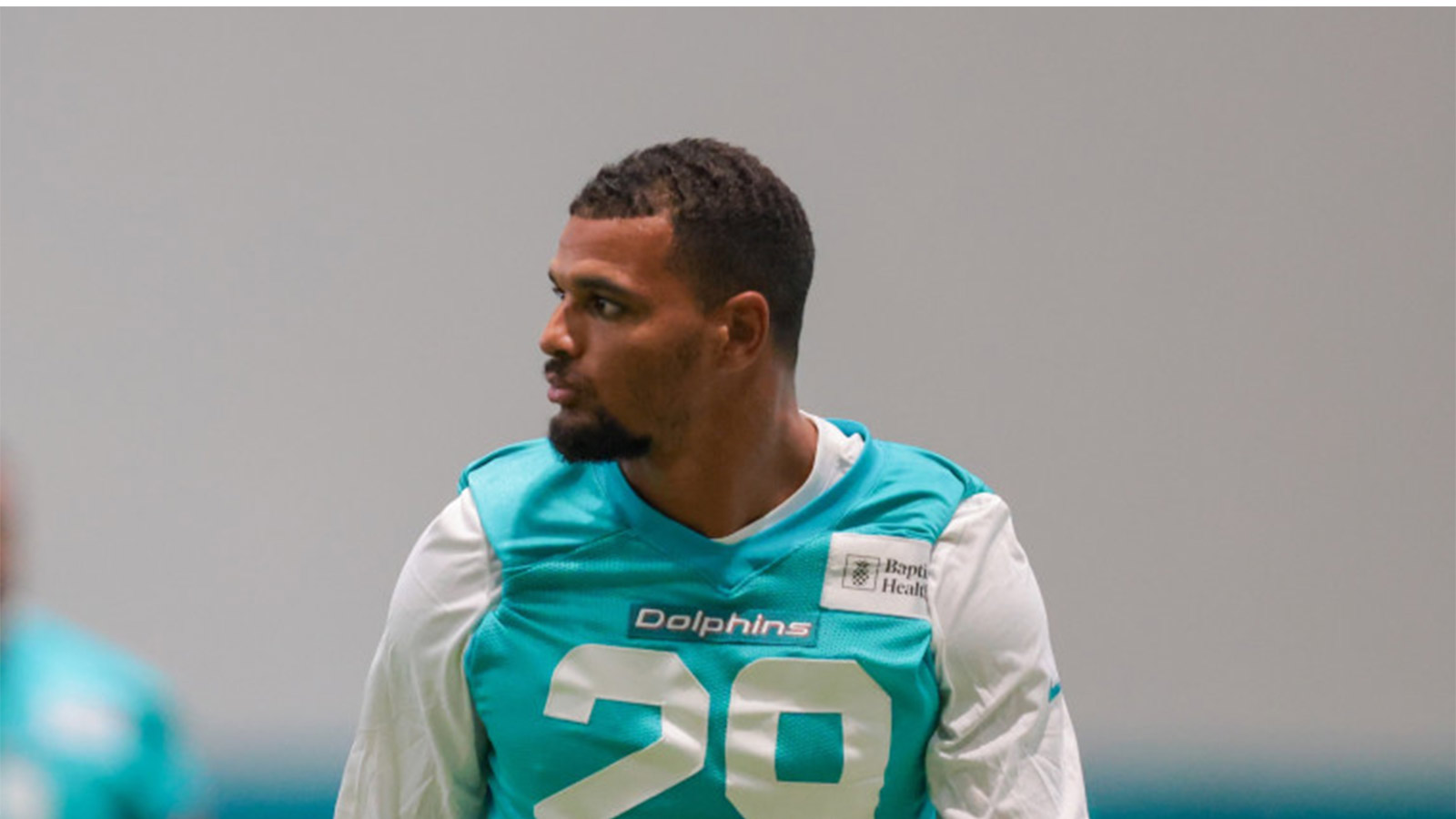
Minkah Fitzpatrick and Miami’s Looming 2026 Salary Cap Decisions
Every NFL offseason brings a cold, calculating review of roster finances, but the Miami Dolphins’ 2026 cap situation is set to be especially ruthless. At the heart of this financial crossroads is safety Minkah Fitzpatrick—a name that once stood for cornerstone security, but now hovers atop the list of potential cap casualties. As the Dolphins stare down the realities of a rebuild and a ballooning salary cap, Fitzpatrick’s future in Miami has never felt more uncertain.
How Did We Get Here? The Numbers and the Narrative
In 2026, Fitzpatrick is due $15.6 million—with no guaranteed money left on his deal (NFLTradeRumors). On paper, that’s a hefty price for any defensive back, let alone one whose statistical impact has plateaued. Through 11 games in the 2025 season, Fitzpatrick recorded one interception, two fumble recoveries, and six pass breakups. These are solid numbers by any measure, but as the Dolphins’ front office weighs every dollar, they must ask: Are these contributions still worth an eight-figure salary?
Complicating matters is the broader context. Miami is not just dealing with Fitzpatrick’s contract; the team faces an exit ramp with several high-priced veterans. Tyreek Hill’s $23.7 million salary and Bradley Chubb’s $20 million compensation also loom large. While Hill’s season-ending knee injury made his situation more clear-cut, Fitzpatrick’s case is less straightforward. He’s healthy, respected, and still productive. Yet, the cold math of the salary cap era rarely leaves room for sentiment.
The Human Side of the Cap Crunch
For players like Fitzpatrick, cap casualty season can be as jarring as it is transactional. Teams rarely pass up the chance to save money if a player’s output doesn’t match their pay, even if the player remains a locker room leader or fan favorite. The process is, as league insiders often say, “cold and harsh.”
Still, every release is also an opportunity. Players cut loose for financial reasons often catch on elsewhere and continue productive careers. The NFL’s landscape is littered with stories of veterans finding fresh starts—sometimes as key contributors on playoff teams. For Fitzpatrick, a release or forced renegotiation could open a new chapter, whether that’s in Miami or beyond.
The Dolphins’ Big-Picture Dilemma
Miami’s front office must weigh more than just Fitzpatrick’s stat line. The 2026 offseason is shaping up as a turning point for the franchise. After a string of bold moves—blockbuster trades, big contracts, and a commitment to star power—the Dolphins are now entering what many around the league view as a necessary reset. The realities of the salary cap demand it: freeing up space to develop through the draft, investing in younger talent, and building a sustainable roster for the future (DolphinsTalk).
Fitzpatrick, who turns 29 next season, is by no means past his prime. But with no guarantees left on his deal and a cap hit that could fund multiple younger players, the team faces a classic NFL question: Is continuity worth the cost? Or is it time to cut ties and reinvest those resources elsewhere?
What’s Next for Fitzpatrick—and the Dolphins?
While the Dolphins could pursue a contract restructuring—lowering Fitzpatrick’s 2026 cap hit in exchange for longer-term security—history suggests these negotiations are rarely simple. For a player of Fitzpatrick’s caliber, accepting a pay cut may not be palatable, especially if he can attract attention on the open market.
The alternative is a clean break. With no guaranteed money left, the Dolphins can release Fitzpatrick and save the entirety of his $15.6 million salary. That’s a tempting figure for a franchise aiming to get younger and more flexible. Yet, letting go of a proven leader and playmaker always comes with risks: weakening the secondary, disrupting locker room chemistry, and sending a message about the team’s immediate ambitions.
For now, both sides are in a holding pattern. The front office is likely running the numbers and weighing the domino effect of each possible move. Fitzpatrick, meanwhile, is left to wonder if loyalty and solid play are enough to secure his place in Miami’s evolving blueprint.
League-Wide Context: The New Normal
The Dolphins are far from alone in facing these hard choices. Across the league, franchises are preparing for a 2026 offseason defined by tough cuts and shifting priorities. From Kansas City’s right tackle Jawaan Taylor to Dallas’s defensive stars, no one is truly safe when the salary cap comes calling (NFLTradeRumors). The logic is unforgiving: save now, build for tomorrow, and hope the next generation can deliver at a fraction of the cost.
In this environment, Fitzpatrick’s situation is emblematic of a broader trend. Teams are moving on from expensive veterans earlier, betting on youth and flexibility over experience and stability. The days of a player finishing a lucrative contract in one city are increasingly rare. For fans, it’s a reminder that the NFL is as much about spreadsheets as it is about touchdowns.
As Miami approaches a pivotal offseason, the fate of Minkah Fitzpatrick will offer a telling glimpse into the franchise’s priorities. Will the Dolphins double down on experience, or embrace the risk and promise of change? Whatever the outcome, Fitzpatrick’s journey captures the uneasy intersection of loyalty, performance, and the ever-present bottom line in today’s NFL.