


A Historic Surge in Voter Participation
Minnesota officials confirmed that more than 2.8 million voters participated in the midterm election cycle, an unprecedented figure for a non-presidential election year. According to data provided by the Minnesota Secretary of State’s Office, this surge in civic engagement has set a new benchmark for regional turnout, signaling a shift in the political momentum across the state and its neighboring areas, including Wisconsin. The sheer volume of ballots cast illustrates a robust commitment to the democratic process, defying historical trends that typically see a sharp drop-off in participation during years when the White House is not on the ballot.
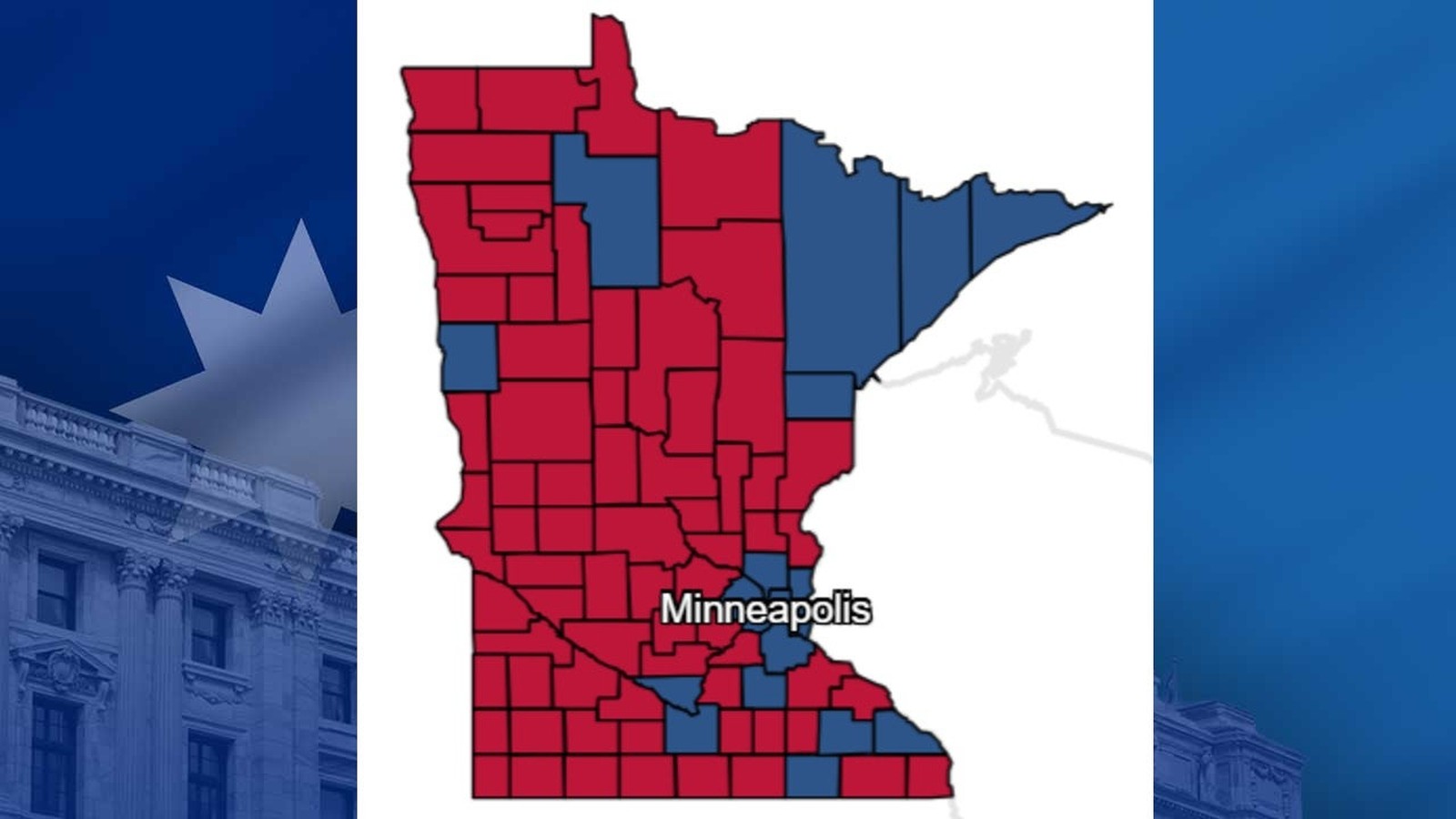
The results, which were finalized following the conclusion of voting on November 3, 2026, provide a granular look at electoral preferences through county-by-county mapping. This record-breaking participation is not merely a statistical milestone; it serves as a critical indicator of the electorate’s focus on key policy debates. Political analysts are now scrutinizing these regional voting patterns to understand how localized preferences will translate into legislative priorities in the coming sessions. The interactive data released by state officials allows citizens to see exactly how their specific neighborhoods and counties weighed in on the most contentious races of the season.
Policy Stakes and Legislative Implications
The outcome of these elections carries significant weight for both state-level governance and broader United States policy. With such high turnout, the mandates for elected officials are clearer, yet the resulting legislative environment may prove highly competitive. Observers note that the diverse voting patterns across Minnesota counties reflect a complex landscape where infrastructure, economic development, and social policy are at the forefront of the public discourse. The data indicates that voters were highly motivated by specific regional concerns that require immediate attention from incoming representatives.
The potential for sweeping changes is high, as the new legislative composition will need to address the concerns of a highly engaged populace. In Wisconsin, similar trends in voter behavior suggest that regional cross-border issues—ranging from environmental regulations to regional economic integration—will likely become central to the policy agenda. As the dust settles, the focus shifts to how these results will influence the drafting of new bills and the oversight of existing state programs. Stakeholders are closely watching the initial procedural moves of the newly elected representatives, as these will determine the trajectory of regional policy for the next term. The high engagement level suggests that the public will remain vigilant, expecting tangible results from the policy promises made during the campaign period.
Analyzing Regional Political Momentum
Beyond the raw numbers, the 2026 midterm results offer a roadmap for understanding the shifting allegiances within the Upper Midwest. By examining the county-by-county breakdown, it becomes evident that both urban centers and rural municipalities played pivotal roles in shaping the final tallies. This geographic diversity in voting behavior ensures that no single interest group can dominate the state agenda without building broad-based coalitions. Localized data sets are currently being integrated into broader national models to determine how the Upper Midwest might influence upcoming federal legislative sessions.
Moving forward, the focus turns to the transition phase. Newly elected officials must now reconcile their campaign platforms with the fiscal realities and administrative constraints of their respective offices. As 5 EYEWITNESS NEWS continues to monitor the fallout from these results, the emphasis remains on transparency and the potential impacts these policy shifts will have on the daily lives of residents. The record turnout serves as a reminder that the electorate is not only informed but deeply invested in the long-term success of their communities, leaving little room for error among those tasked with governing in the months and years ahead.