


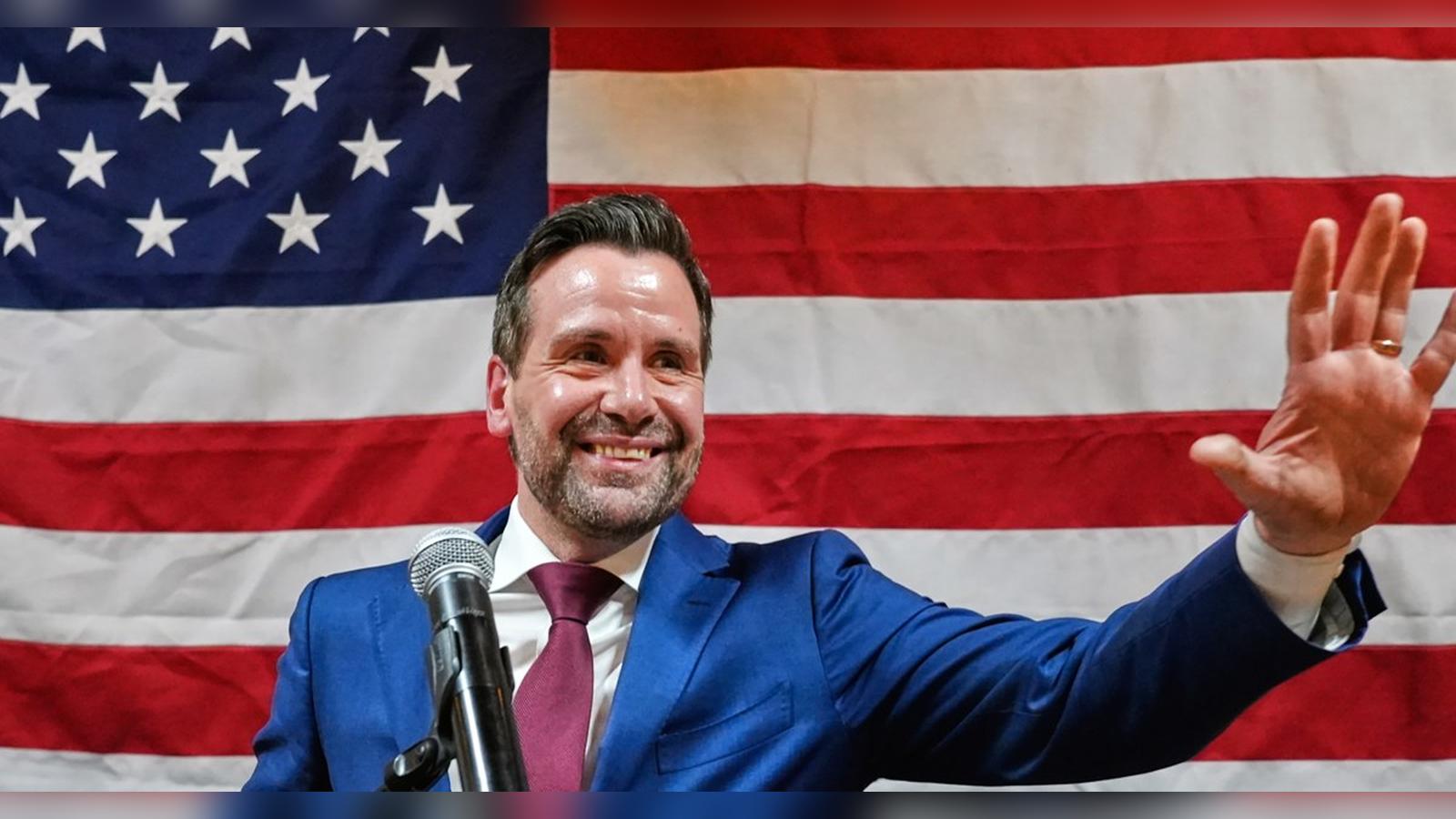
DES MOINES (Azat TV) – Democrat Josh Turek defeated Republican Rep. Ashley Hinson to take Iowa’s open Senate seat in the November 2026 midterm elections, according to projections reported by NBC News. The victory marks the first time Democrats have won a Senate seat in Iowa in nearly two decades, providing a critical boost as the party works to wrest control of the chamber from Republicans. Turek, a state representative and two-time Paralympic gold medalist, succeeded retiring Republican Sen. Joni Ernst, who is set to retire in January 2027.
The race for the open seat quickly became one of the marquee matchups on the national electoral map, attracting about $200 million in spending between the two candidates’ committees and outside groups. The Associated Press also projected Turek’s victory on Tuesday, highlighting the broader implications for the Senate majority as voters delivered a sweeping verdict on national policies and the cost of living.
Campaign Strategy and National Pressures
Turek capitalized on voter frustrations over economic conditions, tying Hinson directly to President Donald Trump and an unpopular Republican agenda in Washington. Throughout the campaign, Turek hammered Hinson over her legislative votes backing Trump’s trade war, which local producers and consumers argued hurt the state’s economy, as well as foreign policy conflicts contributing to rising fuel and transportation prices.
Despite Hinson leaning heavily on her record across three terms in the House and Iowa’s historical Republican lean, she struggled to distance herself from Trump’s sagging approval ratings. Hinson attempted a delicate balancing act, courting the MAGA base while trying to moderate her image on key issues. In September, she publicly stated that the conflict with Iran should come to an end following multiple votes against resolutions to halt it, though her opponent quickly labeled her a flip-flopper.
The Path Through Primaries and Financial Might
Both candidates navigated challenging primaries earlier in the year. Turek faced a divisive contest in June against state Sen. Zach Wahls, ultimately winning 63% to 37% with the tacit backing of national Democratic leaders. Hinson secured her nomination more smoothly after receiving high-profile endorsements in late 2025 from Senate Majority Leader John Thune and NRSC Chairman Tim Scott, clearing her path to a 75% primary victory.
The intense competition flooded Iowa with unprecedented financial resources, surpassing the annual state appropriation for agriculture and natural resources programs. For months, polls showed the race within the margin of error, but in the final tally, Hinson was unable to shake the nationalized political dynamics that propelled Turek to victory.
Examining the Broader Electoral Landscape
The political environment in Iowa heading into November 2026 was shaped by an intense mix of local agriculture pressures and broader national debates. While Iowa had trended reliably red in recent election cycles, the confluence of high inflation, trade disputes affecting local commodities, and debates over foreign policy created a unique opening for Democratic strategists. Turek’s background as a two-time Paralympic gold medalist in wheelchair basketball and his historic election to the Iowa state House in 2022 gave him a distinct narrative. Born with spina bifida, which he attributes to his father’s exposure to Agent Orange in Vietnam, Turek leaned into a personal resilience message that resonated with working-class voters across both rural and suburban precincts.
Hinson, a former broadcast journalist who represented Iowa’s 2nd Congressional District, attempted to counter by emphasizing her legislative accomplishments and ability to work across the aisle. During the campaign, she highlighted measures she authored that were signed into law by President Joe Biden, including legislation focused on preventing stillbirths and creating a federal study on rural veterans’ mental health. However, these localized policy achievements were often overshadowed by the relentless focus on national leadership and presidential approval metrics. Hinson’s attempts to carve out independent stances — such as her public call for Ohio Republican gubernatorial candidate Vivek Ramaswamy to take down a controversial ad featuring the mother of Democratic rival Amy Acton — showed her willingness to break with figures in her broader political orbit, but they did not fully insulate her from the overarching national headwinds.
Financial Scale and the Final Weeks
The roughly $200 million spent by candidates and outside political action committees dwarfed standard state-level expenditures. To put the figure into perspective, the total race spending exceeded the $167 million annual appropriation for state agriculture and natural resources programs signed into law by Republican Gov. Kim Reynolds during the summer. This massive influx of capital sustained a barrage of television ads, digital campaigns, and ground-game mobilization efforts that kept undecided voters engaged right up until election day.
As election returns rolled in on Tuesday night, the tightness predicted by months of polling gave way to a decisive outcome for the Democratic challenger. By successfully linking Hinson to the national Republican platform and capitalizing on voter fatigue regarding ongoing economic challenges, Turek cleared a path that had remained closed to his party for nearly two decades. The resulting pickup provides Democrats with crucial momentum as they evaluate the final balance of power in the United States Senate for the incoming congressional term.