


ST. LOUIS (Azat TV) – Missouri voters defeated a high-stakes ballot proposal on Tuesday, November 3, 2026, that sought to re-impose a restrictive state abortion ban and permanently enshrine curbs on gender-affirming medical care into the state constitution. According to a race call reported by NPR, the rejection of the measure, known as Amendment 3, saw “no” votes surpass 55%. The outcome reaffirms a landmark decision by Missourians in 2024 to lift one of the country’s strictest near-total abortion bans at the ballot box.
The defeated initiative was placed on the ballot by the Republican-led state legislature following the previous voter-approved rollback. Under the rejected proposal, abortion would have been banned except in cases of rape and incest during the first 12 weeks of pregnancy, or later for fetal anomalies. Its defeat maintains existing state law, which allows abortion access until fetal viability, though specific procedural restrictions remain in place.
Legislative Strategy and Combined Restrictions
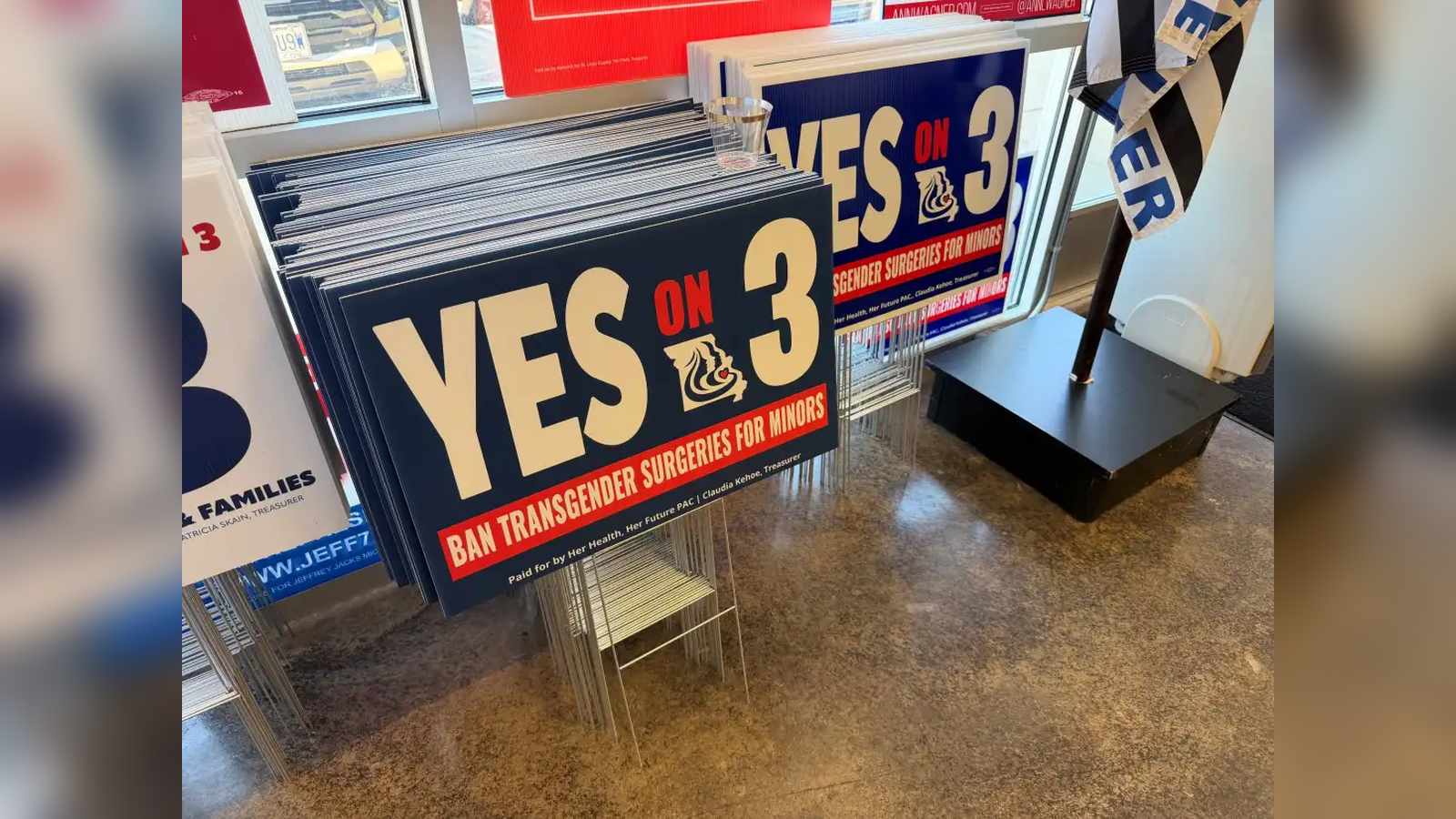
Following their defeat on abortion policy two years prior, abortion opponents coupled the new abortion restrictions with a constitutional ban on puberty blockers, hormone therapy, and gender-affirming surgery for minors in a single ballot question. Prominent Republican leaders, including Missouri Gov. Mike Kehoe, actively raised funds and campaigned for the passage of Amendment 3.
However, much of the advertising supporting the measure focused heavily on the transgender medical care ban rather than abortion. Republican state Auditor Scott Fitzpatrick defended the strategic pairing, noting that public sentiment on the two issues differed significantly. “I think that the abortion issue is much closer to a 50/50 issue in the state, as is evidenced by what happened in 2024,” WVIA reported Fitzpatrick as saying, contrasting it with the perceived public backing for restrictions on transgender medical procedures.
Conversely, abortion rights advocates and LGBTQ+ organizations condemned the coupling as a political misdirection. Opponents of Amendment 3 pointed out that gender-affirming care for minors is already restricted in Missouri through existing statutes, though current prohibitions on puberty blockers and hormone therapy are scheduled to expire in 2027.
Campaign Financials and Voter Reactions
The campaign to defeat Amendment 3 maintained a substantial financial advantage. According to reporting by NPR, the opposition campaign committee received more than $26 million in donations of $5,000 or more since the beginning of the year, compared with approximately $6.7 million in large donations raised by proponents of the ban.
Mallory Schwarz, executive director of Abortion Action Missouri, emphasized that the vote reflected public sentiment regarding personal healthcare decisions. “People don’t want politicians in their business, in their healthcare decisions,” Schwarz told KSMU. “They want to be able to make healthcare decisions about abortion and everything by themselves, with their families and with their doctors, not with politicians and lawyers.”
Meanwhile, opponents of the outcome expressed deep concern over the results. Amanda Sanders, communications director for Her Health, Her Future, called the defeat of Amendment 3 a “devastating loss for women.” Sanders stated, as reported by KSMU, that “This is a loss for women’s health and safety. This is a loss for children. This is a loss for unborn life.”
Wider Implications for Reproductive and Transgender Rights
Missouri was one of four U.S. states with abortion measures on the ballot during the midterms. Since the U.S. Supreme Court eliminated federal protections for abortion rights in 2022, state-level ballot measures have become a major battleground, creating a patchwork of varying regulations across the country.
Regarding the gender-affirming care component, Shira Berkowitz with PROMO Missouri argued that the rejection signaled voter skepticism toward the combined legislative strategy. Berkowitz noted that voters recognized the rhetoric surrounding the measure and refused to use transgender youth as a mechanism to curtail broader rights, according to KSMU. With the ballot proposal defeated, Missouri’s legal framework for both reproductive healthcare and minor medical regulations remains governed by existing statutes and prior court decisions.