


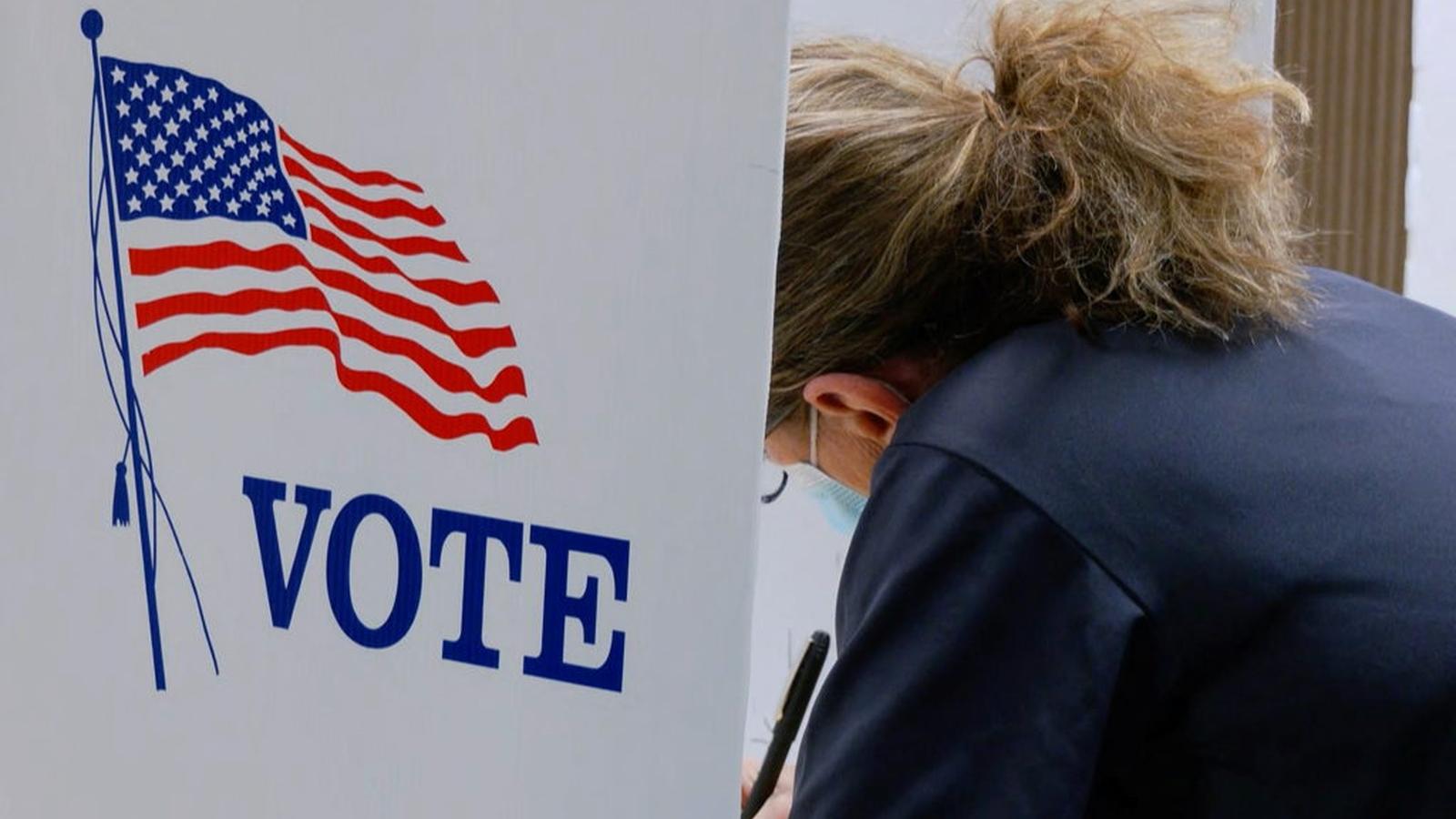
RICHMOND, Va. — Voters in Virginia approved a constitutional amendment on Tuesday, Nov. 3, 2026, creating a fundamental right to reproductive freedom in the state constitution, according to Daily Press reporting and projections by the Associated Press. The ballot measure passed with 62% of the vote to 38% against, with 129 of 133 localities reporting unofficial results on Tuesday evening.
The measure successfully enshrines protections for abortion, contraception, fertility care, prenatal and postpartum care, and miscarriage management directly into the Virginia Constitution. The change makes Virginia the first state in the American South to establish constitutional protections for reproductive freedom following the U.S. Supreme Court’s 2022 decision to overturn the nationwide right to abortion.
Scope of the Amendment and Third-Trimester Rules
The approved amendment establishes specific legal boundaries for medical care. Under the newly passed provisions, abortions are protected during the first two trimesters of pregnancy. The state retains the authority to regulate or restrict access during the third trimester, but the amendment mandates explicit exceptions to ensure that procedures remain legally accessible whenever a patient’s life or health is at risk, or if the pregnancy is not viable.
Additionally, the text of the amendment reduces administrative hurdles for late-term medical care. Currently, third-trimester abortions require sign-offs from three separate physicians. The constitutional change streamlines this requirement so that only a single treating physician must attest that continuing the pregnancy would likely result in the patient’s death or substantially and irremediably harm their physical or mental health.
Campaign Reactions and Broader Ballot Success
Supporters celebrated the outcome on Tuesday night, framing the victory as a permanent safeguard against shifting political majorities. Han Jones, campaign manager with the YES on 1 campaign, told Daily Press that Virginians’ reproductive rights would no longer be treated as a political football.
The reproductive rights question was one of three major constitutional amendments approved by Virginia voters on Tuesday. Alongside Amendment 1, voters approved a measure protecting same-sex marriage with 57% of the vote and a voting rights restoration amendment with 55% support, according to unofficial local returns called by the Associated Press.
Upcoming Legal Challenges and Next Steps
Despite the decisive tally at the ballot box, the amendment’s implementation faces immediate legal scrutiny. Opponents of the measure have filed a lawsuit in Tazewell County Court challenging the ballot language and arguing that the amendment was improperly filed. The legal challenge specifically targets procedural steps taken by Gov. Abigail Spanberger regarding the removal of requirements for posting constitutional amendments outside courthouses.
A court hearing for the preliminary injunction is scheduled for Nov. 13, 2026, to determine whether the certification of the vote can be blocked. State officials and election board authorities must navigate the pending litigation as local election results proceed toward final certification.