


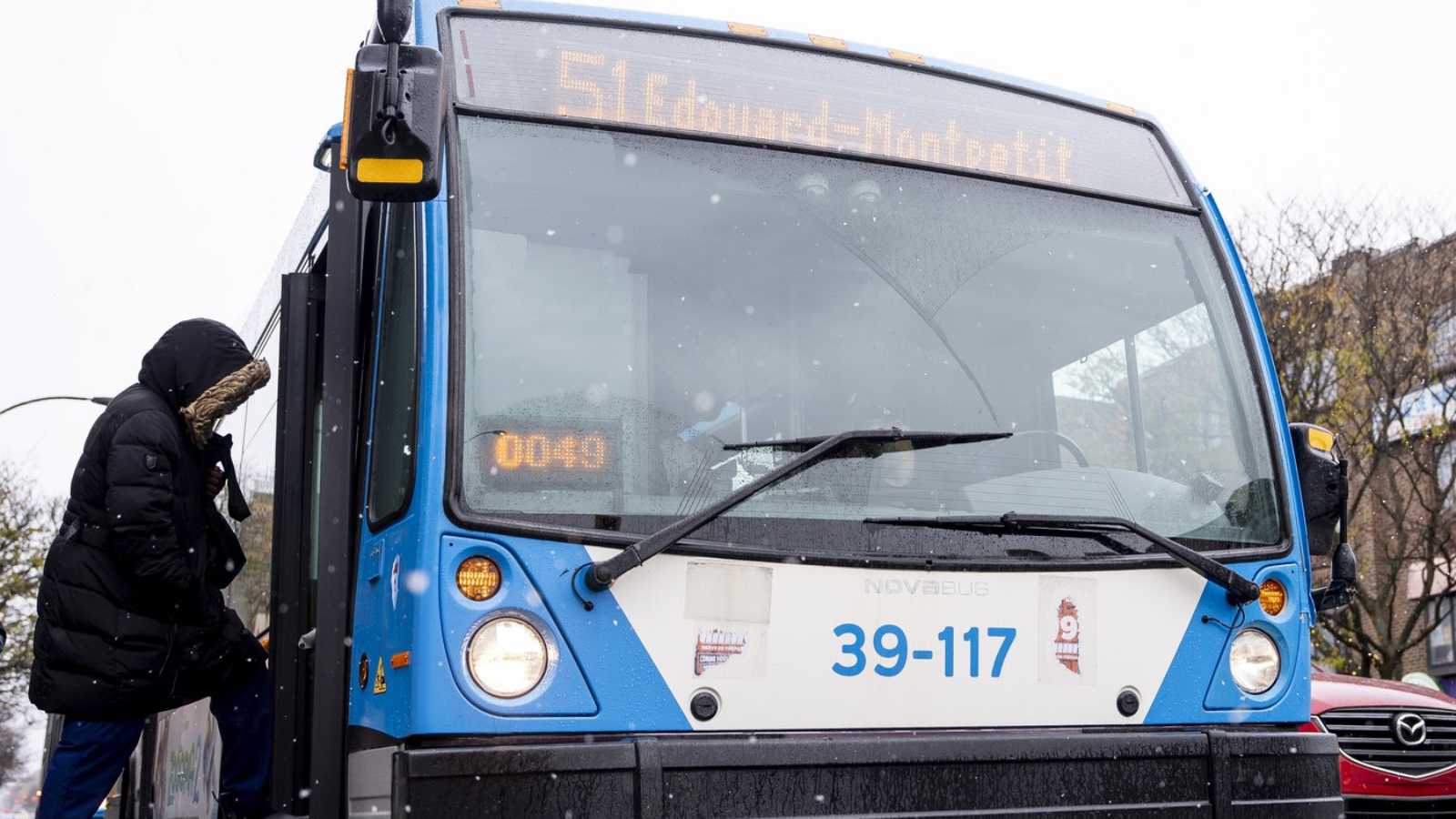
The Fragility of Urban Mobility
The Société de transport de Montréal (STM) is currently navigating a period of intense operational instability. On May 12, 2026, the Orange Line—the backbone of Montreal’s metro system—suffered a significant service disruption between Côte-Vertu and Du Collège due to persistent signalling equipment failures. While the STM initially projected a swift resolution, the cascading delays that extended until 7:15 a.m. highlighted the systemic vulnerabilities inherent in aging urban infrastructure.
Infrastructure and Operational Reality
The signalling issue is not an isolated incident but a symptom of long-term capital maintenance deficits. As the 2025 Activity Report released on May 11, 2026, indicates, the STM is balancing record-high ridership demands against a tightening fiscal envelope. The reliance on legacy systems, some of which date back decades, creates a ‘brittleness’ in the network where a single component failure results in widespread commuter paralysis. Policy analysts argue that without a substantial influx of provincial and federal capital investment, the frequency of such disruptions is likely to increase.
Strategic Shifts: The 2026 Bus Network Redesign
Beyond the rails, the STM is embarking on a massive bus network redesign, slated for implementation on April 21, 2026. Affecting nearly 80 routes, this overhaul represents the most significant change to Montreal’s surface transit in decades. The stated goal is to enhance efficiency and connectivity in rapidly densifying suburban corridors. However, transit advocates remain cautious, noting that redistribution of resources often leads to ‘transit deserts’ in underserved neighborhoods. The success of this redesign depends heavily on the STM’s ability to maintain existing service levels while simultaneously managing the logistical complexity of the transition.
Social Policy and the Loitering Ban
Simultaneously, the STM has extended its controversial metro loitering ban until April 30, 2027. Originally implemented as a temporary safety measure, the extension signals a hardening of the transit authority’s stance on station use. While the STM cites improved safety and reduced criminal activity as justification, civil rights organizations contend that the ban disproportionately impacts vulnerable populations and individuals experiencing homelessness. This tension between institutional security and social equity remains a primary point of friction in the STM’s governance model.
Assessment: The STM stands at a crossroads. The convergence of technical signalling failures, a massive bus network restructuring, and the extension of restrictive social policies suggests an institution struggling to balance traditional operational mandates with contemporary social and infrastructure pressures. Moving forward, the STM must prioritize transparent communication regarding infrastructure investments and engage in a more inclusive dialogue regarding the social implications of its security policies to maintain public trust.