


The Human Cost of Volcanic Activity
On Friday, May 9, 2026, the eruption of Mount Dukono in Indonesia’s North Maluku province resulted in the deaths of three hikers, marking a tragic reminder of the volatility inherent in regions proximal to active geological vents. The incident, which necessitated an urgent rescue operation for over a dozen climbers, underscores the critical lack of standardized safety protocols in high-risk volcanic zones. Witnesses reported intense tremors and subterranean explosions preceding the main event, yet the absence of restricted access zones allowed climbers to reach the crater’s rim, leaving them exposed to the sudden release of ash and debris.
Predictive Challenges and Technological Intervention
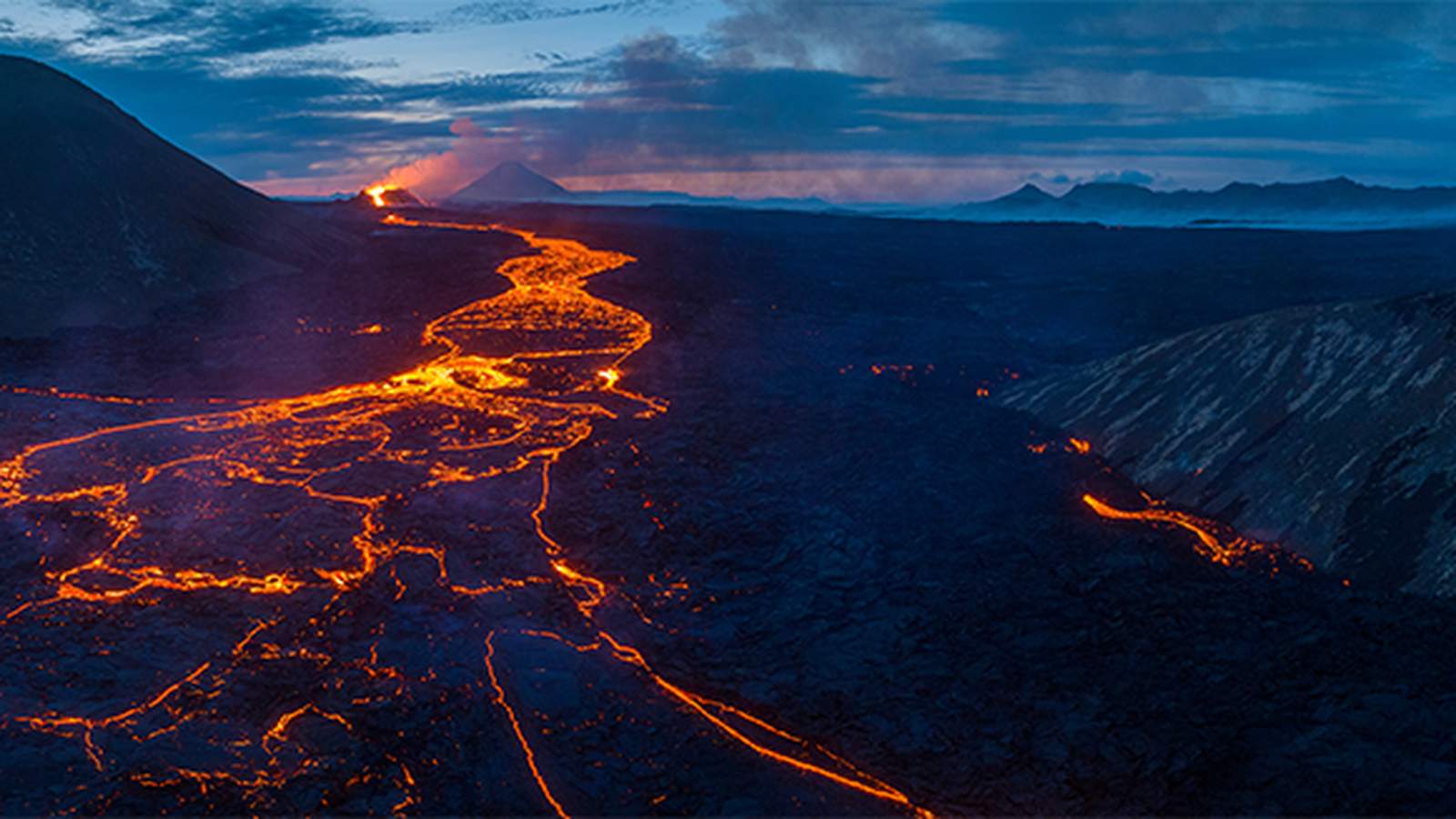
The incident at Mount Dukono arrives amidst a broader global discourse on volcanic monitoring. In Iceland, where the Reykjanes Peninsula faces a period of heightened magmatic activity, volcanologists continue to grapple with the limitations of current monitoring technologies. While tools such as seismographs and fiber-optic sensors detect ground deformation—a primary indicator of pending eruptions—precise, short-term prediction remains elusive. Efforts like the Krafla Magma Testbed aim to bridge this gap by establishing direct, sub-surface observation points, potentially shifting the field from reactive surveillance to proactive risk mitigation.
Environmental Paradoxes: Destruction and Mitigation
Beyond the immediate threats to human life, recent research offers a complex view of volcanic influence on the atmosphere. While volcanoes are traditionally viewed as sources of greenhouse gas emissions, a study published in Nature Communications regarding the 2022 Hunga Tonga–Hunga Haʻapai eruption reveals that volcanic ash, when combined with stratospheric salt water, can effectively neutralize methane. This natural chemical reaction provides a potential blueprint for future atmospheric geoengineering efforts, suggesting that volcanic activity may occasionally act as a corrective mechanism for its own environmental impact.
Assessment
The tragic loss of life at Mount Dukono serves as a stark indictment of the current global approach to volcanic tourism. Without the implementation of strict, enforced exclusion zones and robust, real-time warning systems, the intersection of human recreation and geological instability will continue to produce avoidable fatalities. While scientific advancements in sub-surface monitoring offer long-term hope for improved predictability, the immediate priority for authorities must be the rigorous management of human access to active volcanic sites.