


Security Situation Escalates in Moscow
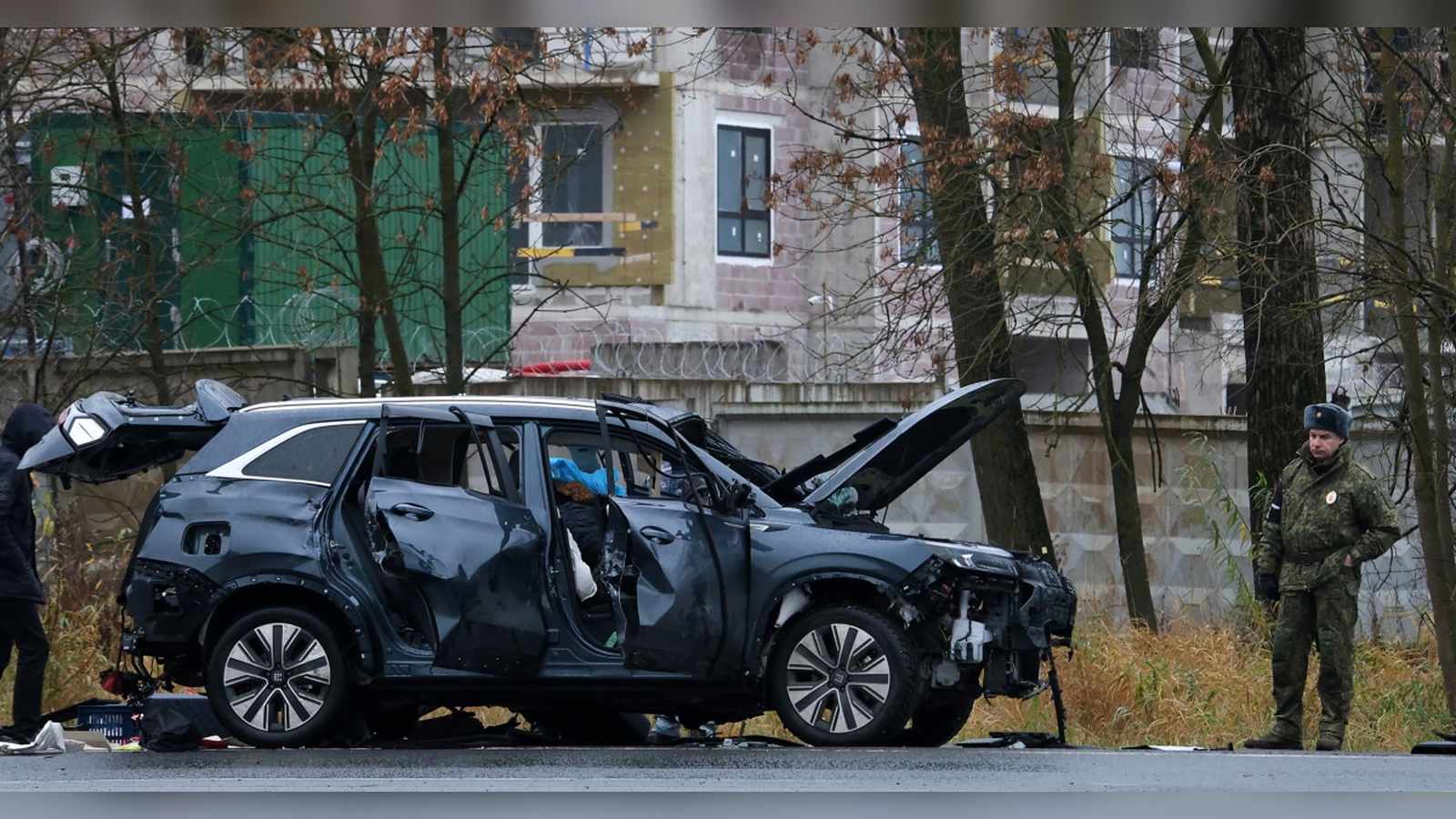
On November 13, 2026, a significant security incident occurred in the Chertanovo district of Moscow, where a car explosion resulted in severe injuries to Sergei Zavorotniy, a former aide to exiled Ukrainian Prime Minister Mykola Azarov. According to reporting by NBC News, Zavorotniy, who previously served as a spokesman for Azarov during his tenure as Ukraine’s prime minister from 2010 to 2014, was hospitalized with critical injuries, including the loss of his left arm, a concussion, and multiple rib fractures. The incident marks the second targeted vehicle bombing in Russia within a 48-hour window, following a fatal attack on a Russian military member in St. Petersburg the previous day.
Investigation and Context
Russia’s Investigative Committee has formally opened a criminal investigation into the Moscow explosion. While the exact methodology of the attack remains under official scrutiny, the rapid succession of these two bombings underscores a volatile security environment. NBC News notes that Moscow authorities have consistently attributed such targeted violence to Ukrainian intelligence operations, though Kyiv has maintained a policy of silence regarding these specific events. Mykola Azarov, who fled to Russia following the 2014 Maidan Revolution, confirmed to the Russian state news agency TASS that Zavorotniy survived the blast but stated he lacked specific information regarding the perpetrators or the motive behind the targeting of his former subordinate.
Strategic Implications
The timing of this attack is particularly sensitive, occurring amidst broader geopolitical tensions. As reported by DW, the incident coincides with high-level diplomatic maneuvering regarding potential peace talks, involving representatives from the United States, Russia, and the European Union. The persistence of these internal security breaches, characterized by high-profile vehicle bombings, challenges the Russian security apparatus’s ability to maintain control over its domestic interior. For residents and officials, the pattern of these attacks suggests a shift in the conflict’s reach, moving from frontline combat zones into the heart of Russian urban centers. Whether these events represent a coordinated campaign or isolated acts of sabotage remains a subject of intense speculation among security analysts, as the Russian government continues to tighten domestic surveillance measures in response to what it describes as an ongoing series of assassination attempts.
Analyzing the Pattern of Targeted Attacks
The frequency of these incidents—two high-profile vehicle bombings in under 48 hours—indicates a potential evolution in the tactics employed within the ongoing conflict. By targeting individuals like Zavorotniy, who occupies a specific niche as a former official of a pro-Russian Ukrainian administration, the perpetrators appear to be signaling that no level of association with the Russian state or its allies remains immune from risk. This targeting of political and military figures within Russian borders is not entirely unprecedented, but the density of the recent attacks is notable. The Baza Telegram channel provided visual confirmation of the destruction, showing a black four-door sedan with its windshield shattered and its front end decimated, a hallmark of a device designed to maximize lethality for those inside.
The Geopolitical Backdrop
While the immediate investigation focuses on the forensic details of the explosive device and the provenance of the perpetrators, the broader context is defined by the diplomatic efforts currently being brokered by international actors. The presence of US envoys Jared Kushner and Steve Witkoff in meetings with Russian leadership, followed by their subsequent briefing of European leaders in Dublin, highlights the complexity of the current negotiation environment. The EU, represented by foreign policy chief Kaja Kallas, has expressed frustration regarding their perceived marginalization in these discussions. The internal security of Russia, as demonstrated by the vulnerability of its capital, serves as a backdrop to these high-stakes discussions. For Moscow, the persistence of these attacks creates a narrative of persistent, asymmetric threat that justifies strict internal security measures, even as it seeks to project strength on the international stage.
The Future of Domestic Security in Russia
As the Investigative Committee proceeds with its work, the long-term consequences for Russian security policy are becoming clear. The government is expected to increase its reliance on surveillance and intelligence-led operations to root out potential saboteurs. The case of Sergei Zavorotniy is likely to become a focal point for official rhetoric regarding the reach of foreign intelligence agencies. For the average resident of Moscow or St. Petersburg, the reality is a heightened state of alert. The shift from battlefield combat to the targeted assassination of individuals within Russian cities represents a significant escalation in the conflict’s scope. Analysts are watching closely to see if these incidents lead to a further tightening of domestic control or if they signal a broader failure of security protocols designed to protect individuals linked to the war effort. With no immediate claims of responsibility for the latest blast, the ambiguity serves to amplify the fear and uncertainty that these attacks are intended to sow, ensuring that the security situation remains at the forefront of the Russian public discourse for the foreseeable future.