

Quick Read
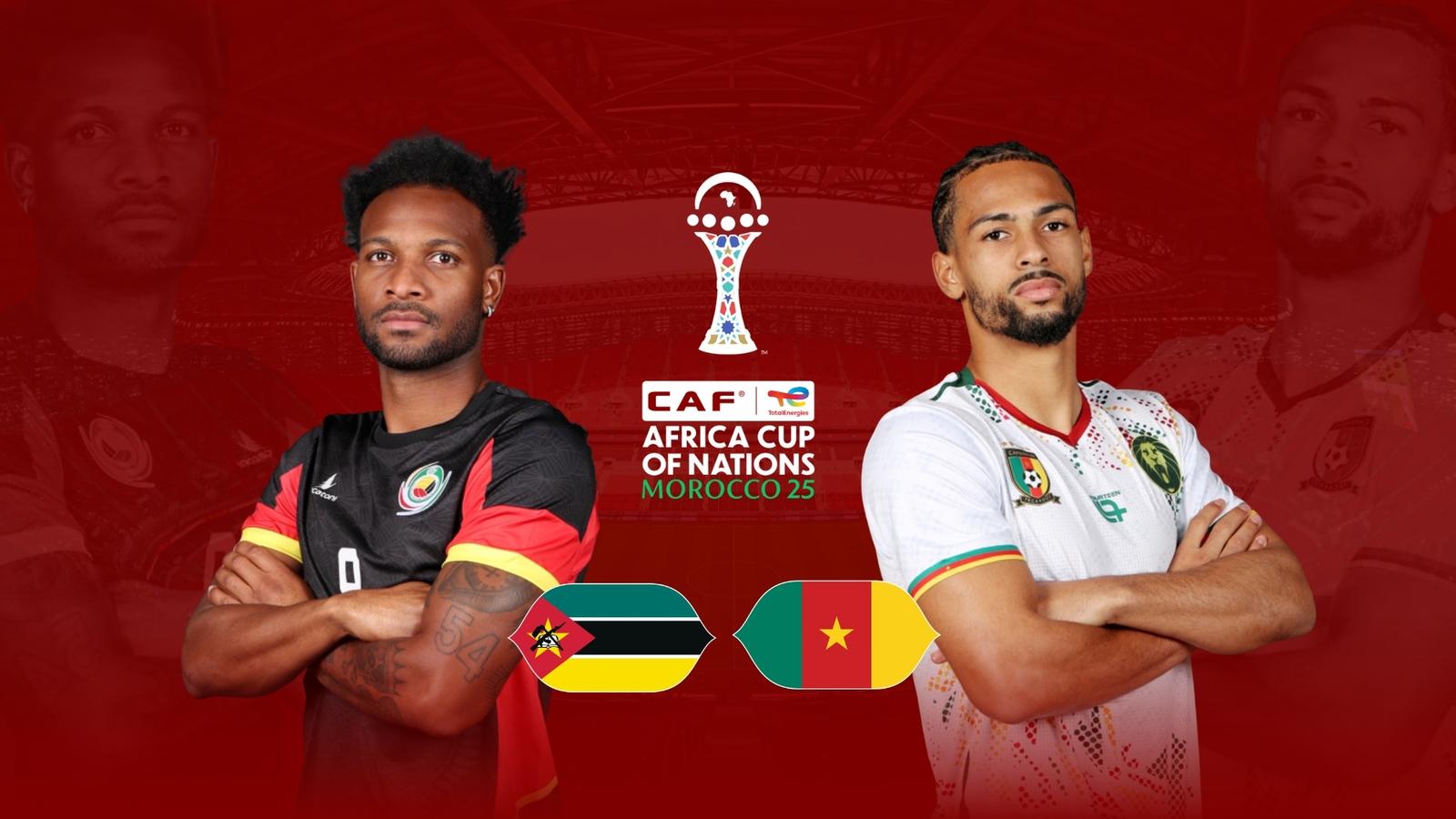
- Mozambique and Cameroon drew 1-1 in Agadir during the 2025 AFCON Group F finale.
- Mozambique led first, but conceded an own goal for Cameroon’s equalizer.
- Both teams remain in contention for a knockout-stage spot, with Nigeria awaiting their next opponent.
On a brisk New Year’s Eve in Agadir, Morocco, the final whistle signaled more than just the end of 90 minutes—it marked a turning point in the Africa Cup of Nations Group F. Mozambique and Cameroon, both hungry for a place in the knockout rounds, played out a 1-1 draw that was as dramatic as it was consequential. For fans across Africa, this match wasn’t just about goals and saves, but about hope, pressure, and the razor-thin margins that define tournament football.
The Grand Stadium of Agadir, a venue familiar with high-stakes football since its opening in 2013, provided the backdrop for a contest brimming with tension. The stakes? A coveted spot in the AFCON last-16, with Nigeria already through as Group C winners and waiting to discover its next opponent.
The action began with both sides showing early nerves and ambition. Cameroon, fielding a 3-4-1-2 formation, pressed high and looked to exploit Mozambique’s defensive frailties. Mozambique, opting for a 4-2-3-1, responded with quick counters, trying to catch the Cameroonian defense off guard. Early on, Ivane, Mozambique’s goalkeeper, was called into action more than once. Christian Kofane’s powerful header in the fifth minute flew wide, and Danny Namaso’s sharp shot required a smart save from Ivane. Epassy, Cameroon’s keeper, was equally busy, palming away a dangerous attempt from Gildo Lourenço after a slick pass up front.
The first turning point came in the 15th minute, when Mozambique’s Diogo Calila, after receiving on-pitch treatment for an injury, was forced off and replaced by Bruno Langa. The substitution underscored the physical intensity of the match, and moments later, Cameroon threatened again as Bryan Mbeumo sent Kofane through on goal, only for Ivane to rush out and make a crucial stop.
The deadlock was broken in the 23rd minute. Mozambique, seizing a rare opportunity, found the back of the net and briefly topped the Group F standings as Ivory Coast trailed Gabon in Marrakesh. The goal sent a ripple of excitement through the Mozambique bench and fans—could this be the moment that changed their AFCON fate?
But football, like life, rarely follows a straight path. Just five minutes later, a cruel twist: Mozambique, in a scramble inside their own penalty box, conceded an own goal. The equalizer was as gutting as it was dramatic, leaving head coach Chiquinho Conde visibly frustrated. The scoreboard now read 1-1, and the tension ratcheted up another notch.
As the first half wore on, both teams struggled to seize control. Cameroon continued to push forward, with Epassy racing out to claim dangerous crosses and the midfield orchestrating attacks, while Mozambique sought to capitalize on counterattacks and set pieces. The crowd, which included Cameroonian icons like Roger Milla, watched every move with bated breath.
With so much riding on the outcome, the coaches were strategic. Cameroon, led by David Pagou Conde Junior, had a deep bench to call upon: Simon Omossola, Che Malone, Samuel Kotto, Christian Bassogog, and more. Mozambique, under Francisco Queriol Conde Junior, was equally prepared, with players like Reinildo Mandava, Guima, and Bangal at the ready.
Off the pitch, the implications of the result were quickly becoming clear. In Group F, Ivory Coast and Cameroon sat on four points apiece, with Mozambique just behind on three. Gabon, already eliminated, played Ivory Coast in the other simultaneous fixture. The draw meant that the final knockout-stage lineup would be decided by the narrowest of margins, with Nigeria set to face the third-placed team in Group F on January 5 in Fez.
Elsewhere in the tournament, other groups had already produced their own drama. Senegal and DR Congo had booked their places from Group D, while Algeria topped Group E. Nigeria and Tunisia had qualified from Group C, Morocco and Mali from Group A, and Egypt and South Africa from Group B. But here in Agadir, everything remained up for grabs.
For Mozambique, the journey to this point had been anything but smooth. They arrived at the game with two defeats and a hard-fought victory over Gabon, showing resilience in the face of setbacks. Cameroon, meanwhile, had mixed results—a loss to DR Congo, a win against Gabon, and a draw with Ivory Coast. Both sides carried the weight of expectation, knowing that a single slip could end their AFCON dreams.
Broadcast across Africa and beyond, the match drew eyes from fans eager for drama, hope, and the promise of glory. TV viewers tuned in via beIN Sports Connect, while streaming platforms like Fanatiz USA and Tubi carried the action to homes and devices worldwide. The event was more than a sporting contest—it was a shared experience, a window into the heart of African football.
As the dust settles, one question lingers: who will rise when the stakes are highest? For Mozambique and Cameroon, the answer will come soon enough. For now, both teams remain alive, their fate intertwined with the results of their rivals and the relentless march of the Africa Cup of Nations.
The 1-1 draw between Mozambique and Cameroon epitomizes the drama and unpredictability of tournament football. Both teams displayed resilience, but missed opportunities and defensive lapses proved decisive. As the group stage closes, the pressure mounts—only those who adapt and seize their moment will advance. This match, watched across continents, reminds us that in football, as in life, margins are slim and hope is eternal.
Sources: VAVEL, Evening Standard.