


The Strategic Imperative of Wildlife Restoration
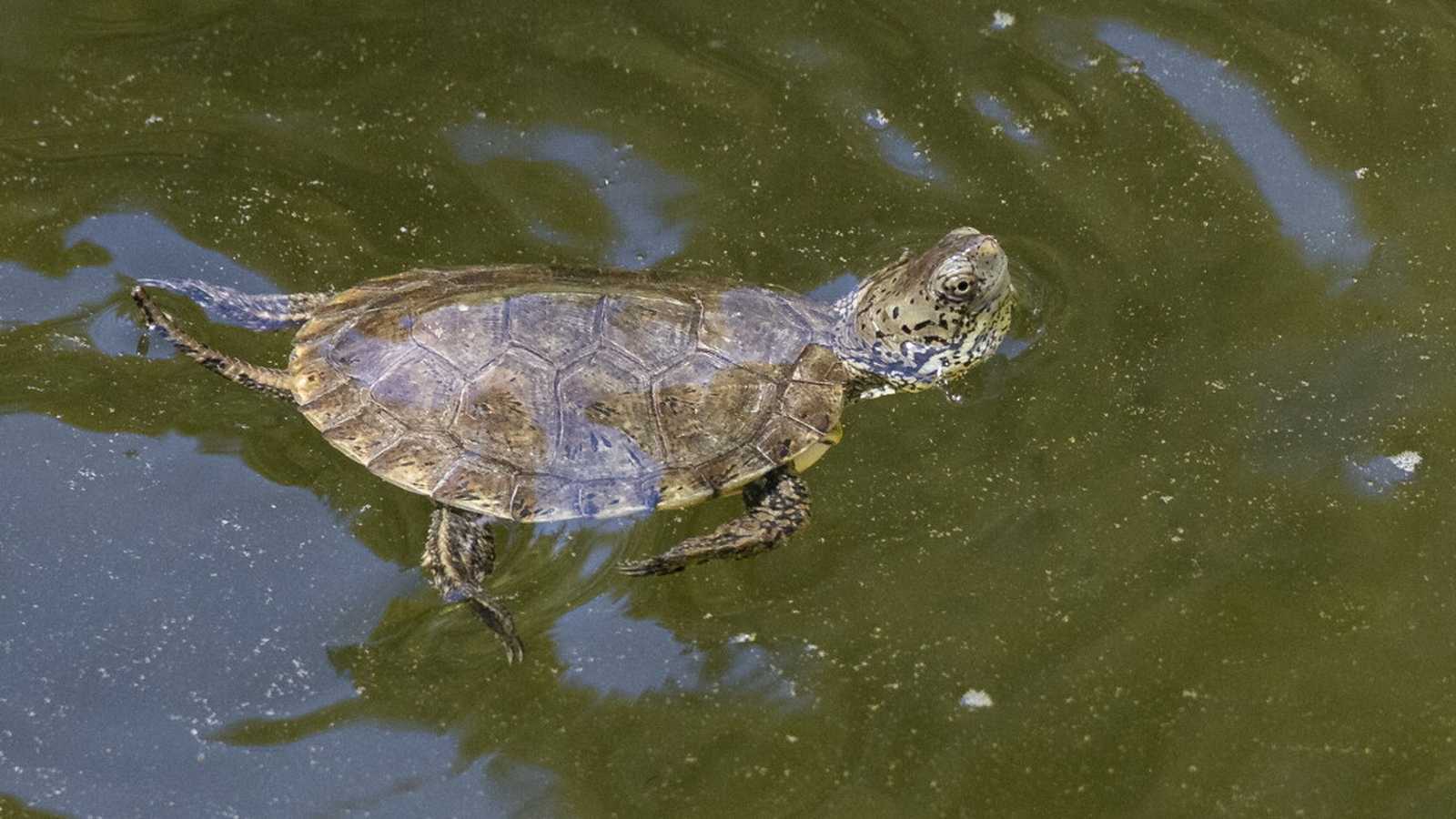
In a critical advancement for California’s biodiversity, the San Diego Zoo Wildlife Alliance (SDZWA) has finalized the release of 15 juvenile southwestern pond turtles into the San Gabriel River. This operation, conducted in late April and publicized in alignment with World Turtle Day, represents the culmination of a multi-year emergency intervention triggered by the 2020 Bobcat Fire. The fire, which scorched over 180 square miles of the Angeles National Forest, threatened to eradicate the only remaining native freshwater turtle population in the watershed. The success of this program underscores the evolving role of zoological institutions as essential partners in federal and state environmental policy, moving beyond mere exhibition toward active field conservation and genetic management.
The 2020 Bobcat Fire: An Ecological Crisis
The southwestern pond turtle (Actinemys pallida) is currently listed as a Species of Special Concern by the California Department of Fish and Wildlife and is under consideration for federal protection under the Endangered Species Act. When the Bobcat Fire breached the West Fork of the San Gabriel River—a known biodiversity hotspot—biologists from the U.S. Geological Survey (USGS) identified an immediate risk not just from the flames, but from the subsequent ‘weather whiplash.’ Post-fire landscapes are highly susceptible to debris flows; even moderate rainfall can trigger mudslides that act as an avalanche within aquatic habitats, potentially suffocating entire populations. To mitigate this, a tactical team of biologists rescued 11 adult turtles, transferring them to the San Diego Zoo for long-term stabilization and habitat recovery monitoring.
Institutionalizing Resilience: The Breeding Breakthrough
While the primary objective of the SDZWA was the preservation of the rescued adults, the controlled environment of the zoo’s conservation habitat facilitated an unexpected demographic surge. Despite the stressors associated with relocation, the rescued females laid eggs within their temporary enclosure. According to Brandon Scott, wildlife care manager at the San Diego Zoo Wildlife Alliance, the emergence of 15 hatchlings—each roughly the size of a quarter—transformed a rescue mission into a population enhancement initiative. This ‘baby boom’ allowed conservationists to release a more robust, multi-generational cohort back into the wild, effectively doubling the known juvenile population in the specific release site.
Policy Implications and Future Conservation Frameworks
The collaboration between the USGS, the California Department of Fish and Wildlife, and the San Diego Zoo highlights a shift in conservation policy. The Bobcat Fire intervention was the first time the specialized pond turtle habitat at the zoo, built nearly two decades ago following the 2009 Station Fire, was utilized for a large-scale wild rescue. As catastrophic wildfires become more frequent due to climate change—with statistics showing that most of California’s largest fires have occurred within the last 20 years—the institutionalization of such rescue frameworks is becoming a necessity rather than an exception. Furthermore, the removal of invasive species like bullfrogs and red-eared sliders remains a parallel policy priority to ensure that the newly released native turtles can compete for resources.
The successful reintegration of the southwestern pond turtle serves as a proof-of-concept for ‘managed resilience’ in the face of escalating climate volatility. By leveraging the technical expertise of zoological alliances with the regulatory oversight of state agencies, California is establishing a blueprint for rapid-response conservation. However, the long-term survival of the species will depend not only on these tactical interventions but on broader land-management policies that address habitat fragmentation and the persistent threat of invasive species in urbanized watersheds.