


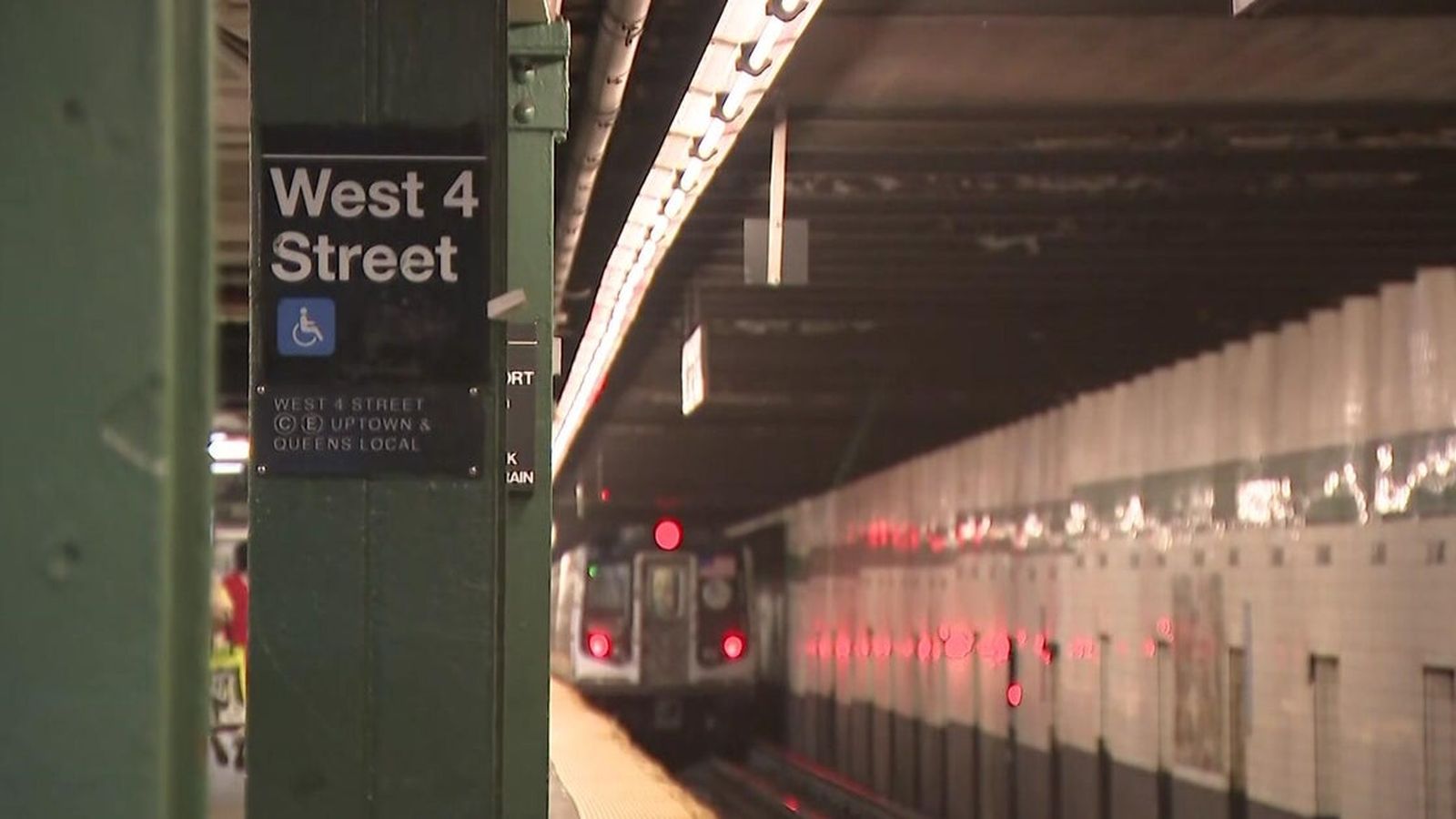
The Metropolitan Transportation Authority (MTA) is under intense scrutiny as it faces two pressing challenges: repeated subway power outages in Manhattan and an impending fare hike scheduled for January 2026. These issues have sparked frustration and concern among New Yorkers who rely on the city’s transit system daily.
Consecutive Power Outages Disrupt Manhattan Subway Service
In a span of just three days, Manhattan subway riders endured two significant power outages that caused widespread disruptions. On Thursday, July 31, 2025, service on several major lines—including the A, C, B, D, E, F, and M—was interrupted after a power failure near the West 4th Street-Washington Square station. According to CBS New York, the outages left some passengers stranded on trains for nearly an hour and forced others to seek alternative transportation.
Heat-related stress on the system is believed to be a contributing factor. MTA New York City Transit President Demetrius Crichlow explained that “heat will cause a strain on the system,” adding that aging substations and cables are also to blame. He highlighted the agency’s capital investment plan, which aims to modernize these substations to prevent such incidents in the future. However, as NBC New York noted, the exact cause of Thursday’s outage remains under investigation.
These outages come amid New York City’s second official heat wave of the summer, with temperatures soaring and storms expected later in the day. The disruptions have not only inconvenienced commuters but have also raised questions about the resilience of the city’s aging subway infrastructure.
Fare Hikes Looming Despite Public Backlash
Adding to commuter woes, the MTA announced plans to increase subway and bus fares to $3 starting January 4, 2026. The fare hike, initially scheduled for August 2025, was delayed due to the transition to the OMNY contactless payment system. According to Gothamist, the new system will also phase out the 30-day unlimited fare option, replacing it with a seven-day fare cap of $36, up from the current $34 limit.
MTA Chair and CEO Janno Lieber stated that the fare adjustments are necessary to address the agency’s financial challenges. However, the proposed increases have drawn sharp criticism. Mayor Eric Adams called the hike “offensive to hard-working New Yorkers” and urged MTA board members to reject the proposal. Meanwhile, mayoral candidate Zohran Mamdani has suggested implementing free bus services as a long-term solution.
Public hearings and a board vote on the fare changes are expected later this year. While the MTA argues that the adjustments are overdue—fares have not increased since 2023—many New Yorkers remain unconvinced, especially given the lack of significant service improvements.
Recurring Issues Highlight Broader Systemic Problems
The twin challenges of power outages and fare hikes underscore broader issues within the MTA. Aging infrastructure, insufficient funding, and rising operational costs have left the agency struggling to meet the demands of a growing city. As 6abc reported, the MTA’s financial plan also includes increases in express bus fares, commuter rail tickets, and bridge tolls, further burdening residents.
The power outages, in particular, have highlighted the urgent need for infrastructure upgrades. MTA officials have acknowledged that many of the system’s substations and cables have gone decades without significant repairs. The capital plan aims to address these deficiencies, but such projects take time and substantial investment.
Looking Ahead
The MTA’s challenges are emblematic of the difficulties faced by public transit systems nationwide. As the agency navigates these immediate crises, it must also grapple with long-term questions about sustainability, equity, and reliability. For New Yorkers, the stakes are high: a functional transit system is essential to the city’s economy and quality of life.
While the MTA works to resolve these issues, the patience of New Yorkers continues to wear thin, with many demanding not just temporary fixes but transformative change.