


Quick Read
- The NAACP filed an intent to sue Elon Musk’s xAI company on June 17, 2025.
- The lawsuit targets air pollution caused by gas turbines at a supercomputer data center in Memphis.
- The facility operates near predominantly Black neighborhoods, raising environmental justice concerns.
- xAI claims its investments benefit Memphis, including jobs and infrastructure projects.
- Environmental groups allege the turbines violate the Clean Air Act and increase cancer risks.
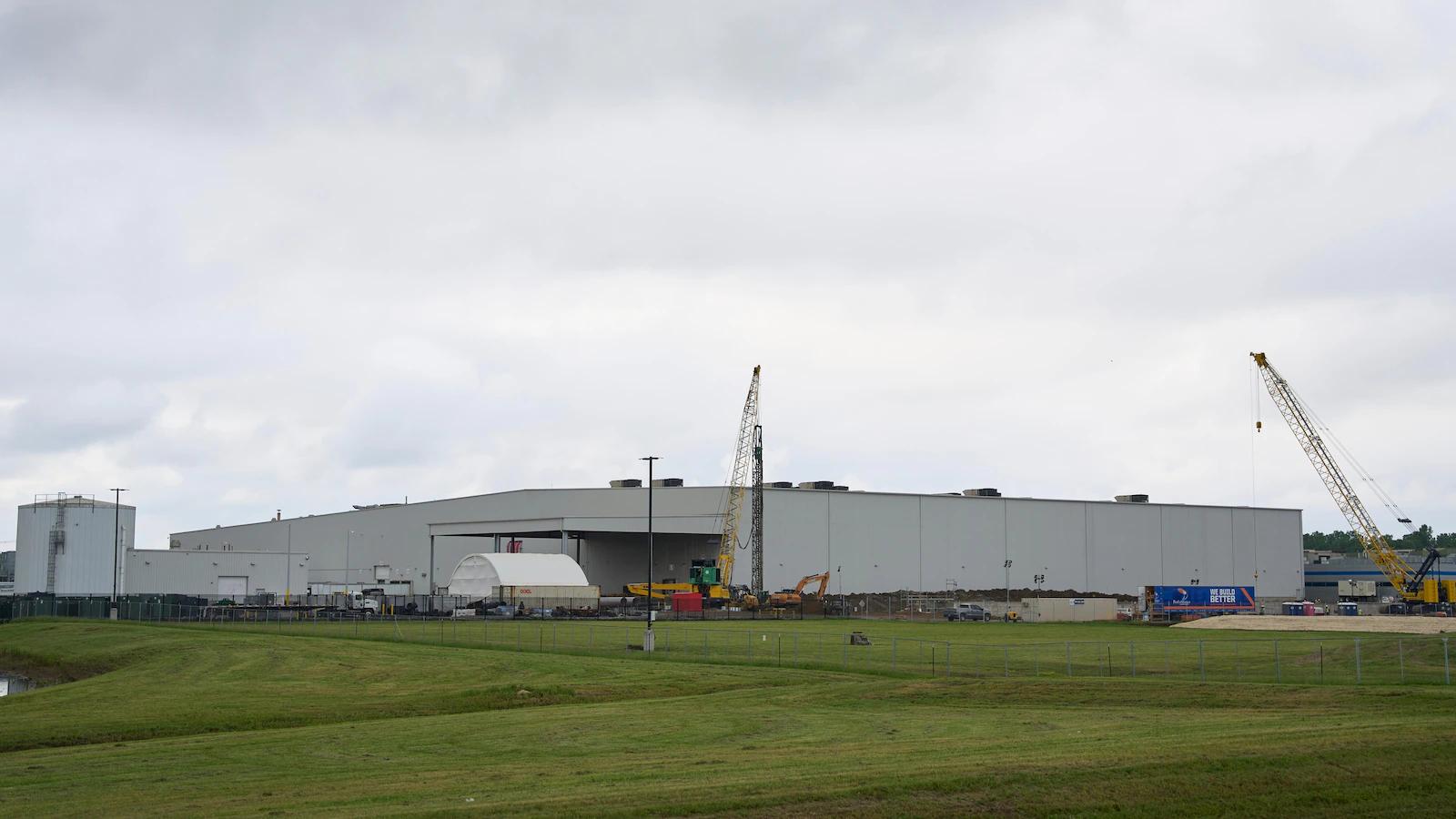
In a significant legal move on June 17, 2025, the NAACP announced its intent to sue Elon Musk’s artificial intelligence company, xAI, over air pollution concerns linked to its supercomputer data center in Memphis, Tennessee. The lawsuit highlights the potential environmental and health risks posed by the facility, located near predominantly Black communities.
Why the NAACP Is Taking Action
The NAACP’s decision stems from concerns about emissions from gas turbines powering xAI’s supercomputer, which began operations last year. According to Abcnews, the turbines were initially installed under a one-year permit exemption, bypassing a formal application process. Currently, the Shelby County Health Department is reviewing a permit application for 15 turbines, though the Southern Environmental Law Center (SELC) claims the facility houses as many as 35 turbines.
Environmental advocates argue that the turbines emit harmful pollutants, including smog, carbon dioxide, nitrogen oxides, and formaldehyde—a known carcinogen. These emissions disproportionately affect nearby residents, who already face cancer risks four times the national average, according to Toledoblade.
xAI’s Economic Contributions and Environmental Promises
xAI has defended its operations, emphasizing the economic benefits it brings to Memphis. The company has reportedly invested billions in the supercomputer facility, created hundreds of jobs, and paid millions in local taxes. Additionally, xAI is funding infrastructure projects such as a $35 million power substation and an $80 million water recycling plant to support the local utility, Memphis Light, Gas, and Water.
The company also claims it is committed to reducing emissions through advanced turbine technology. However, environmental groups remain skeptical, citing the facility’s strain on Memphis’ power grid and its proximity to other industrial sites, as noted by Abcnews.
Environmental Justice and Legal Implications
Beyond pollution, the case raises broader environmental justice concerns. The location of xAI’s data center in a predominantly Black area has drawn criticism, with activists arguing that marginalized communities bear the brunt of industrial pollution. The SELC has petitioned the Environmental Protection Agency (EPA), alleging violations of the Clean Air Act.
Experts note that this case could set a precedent for how tech companies balance innovation with environmental and social responsibilities. As Toledoblade reports, the outcome could influence future regulations on emissions from data centers and other high-tech facilities.
A Closer Look at Community Impact
Residents living near the xAI facility have expressed concerns about the long-term health implications of increased pollution. Many already face elevated risks of respiratory and cardiovascular diseases, exacerbated by existing industrial activity in the area. According to Abcnews, the industrial park south of Memphis also houses factories and a gas-powered plant operated by the Tennessee Valley Authority, compounding the environmental burden on local communities.
The NAACP’s legal action underscores the intersection of environmental and racial justice, drawing attention to the systemic inequities that leave minority communities vulnerable to industrial pollution.
The NAACP’s lawsuit against xAI highlights a critical juncture in the push for corporate accountability and environmental justice. As legal proceedings unfold, the case will likely spark broader discussions on balancing technological progress with community well-being.