


Near-Term Updates and the Engineering Focus
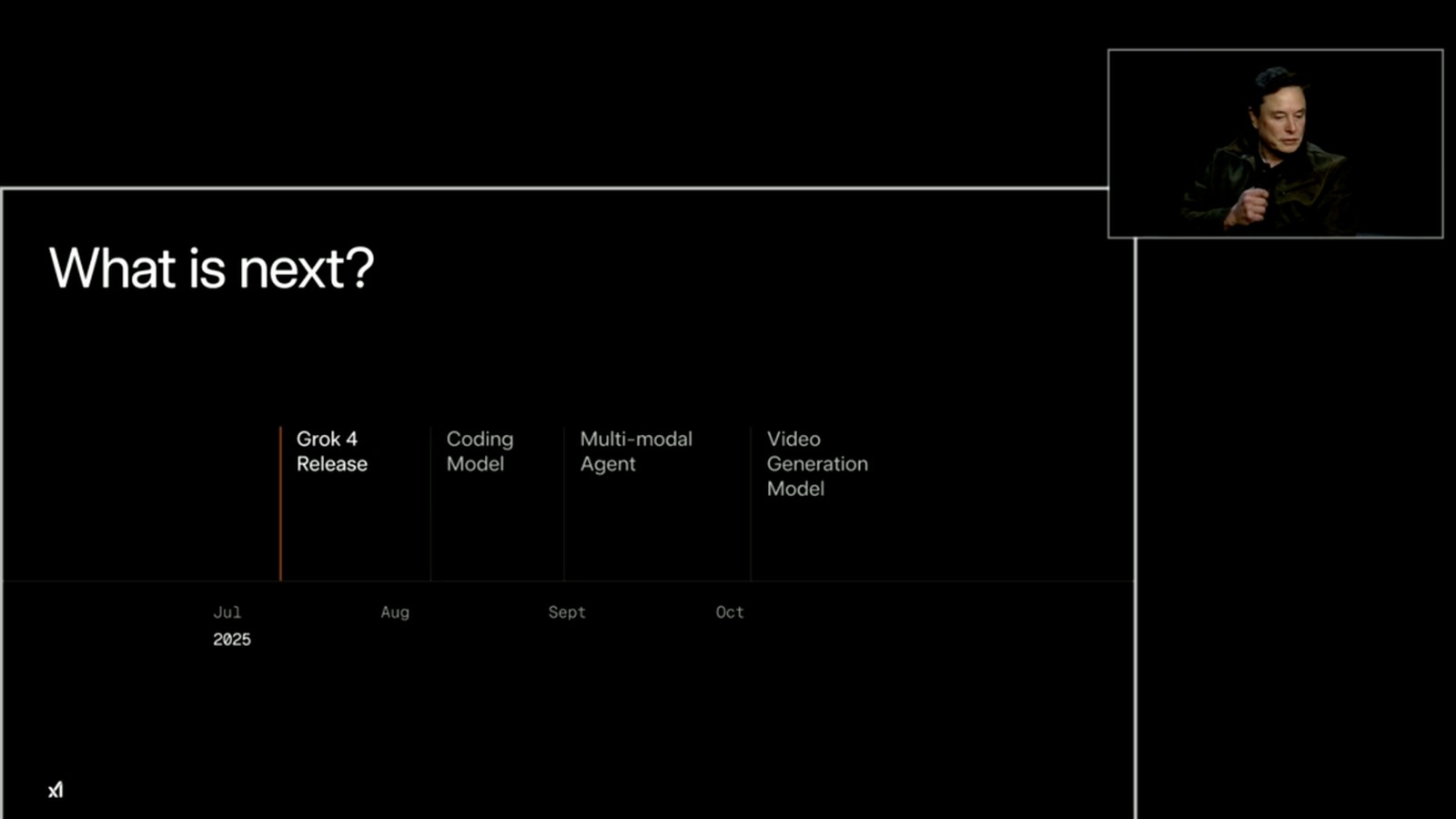
Elon Musk confirmed on August 31, 2026, that the xAI Grok model is set for continued acceleration. The current iteration, Grok 4.6, which debuted in mid-August, serves as the foundation for these upcoming shifts. The immediate focus is the release of Grok 4.7, expected by September 2026. This version is reportedly trained on a vast repository of proprietary data from SpaceX, with a specific objective to outperform existing models in real-world engineering and technical tasks.
The Grok 5 Generational Leap
Beyond the incremental 4.7 update, xAI is positioning Grok 5 as a transformative upgrade. Reports indicate this model will feature a 6-trillion-parameter architecture—doubling the capacity of previous versions—with a potential 10-trillion-parameter variant currently under consideration. A central pillar of the Grok 5 release is native multimodality. Unlike current systems that route inputs through separate pipelines for text, image, audio, and video, Grok 5 aims to process these data streams within a single, unified architecture.
This report draws on information published by basenor.com.
Integration with Tesla Ecosystem
The roadmap carries direct implications for Tesla users. As the primary in-car AI assistant, Grok’s evolution impacts vehicle functionality. Enhanced reasoning and multimodal capabilities are expected to improve how drivers interact with their center consoles, ranging from complex navigation queries to the potential for real-time analysis of onboard camera data. Musk’s strategy of leveraging SpaceX engineering data for model training suggests a potential future where Tesla’s own operational data could serve as a similar performance-tuning resource.
While the goal remains to launch Grok 5 before the end of 2026, the timeline remains subject to change, given previous developmental slippage. The upcoming release of Grok 4.7 will serve as the primary indicator of whether xAI’s current development cycle is meeting its stated internal targets.