


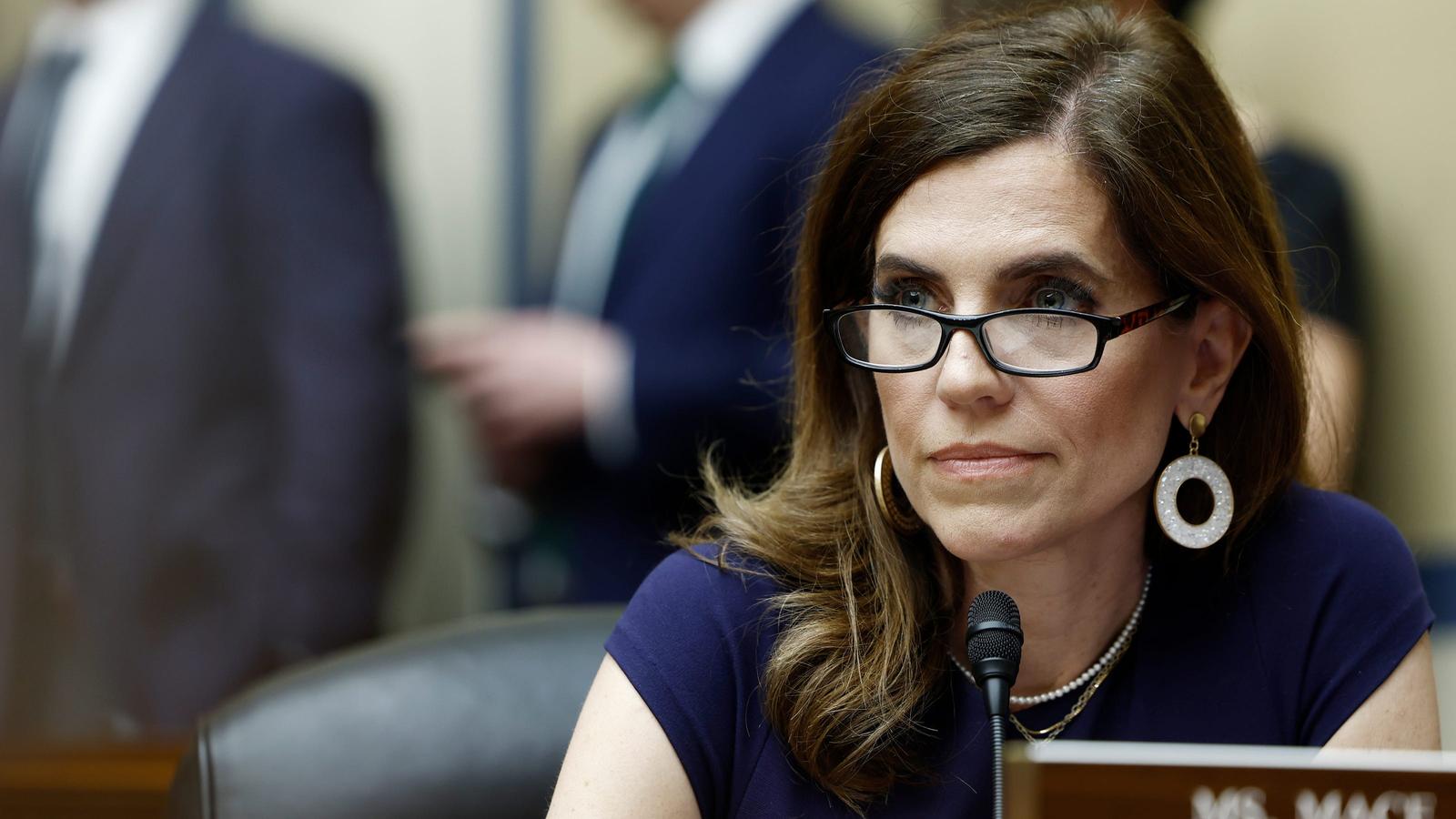
Legislative Push Against Birth Tourism
The proposed legislation seeks to categorize the recruitment, transportation, or harboring of noncitizens for the purpose of obtaining birthright citizenship as a form of trafficking. Under the bill, individuals involved in such schemes could face up to 15 years in prison, with criminal organizations potentially facing penalties of up to 30 years. The act also mandates the creation of an interagency task force, to be co-chaired by the Attorney General and the Secretary of Homeland Security, to dismantle birth tourism networks.
According to reports from Breitbart, the bill would designate a federal prosecutor in every judicial district to oversee cases involving citizenship fraud. This move aligns with a broader Republican effort to curb birthright citizenship through legislative and executive channels. The Center for Immigration Studies, citing data from 2016 and 2017, estimated that between 20,000 and 26,000 births to “birth tourists” occur annually in the United States. Steven Camarota, the organization’s director of research, emphasized during a House Oversight Committee hearing on September 1 that these figures represent a cumulative challenge to the immigration system.
Public Discourse and Personal Boundaries
Beyond her legislative work, Mace has recently been the subject of increased media attention regarding her personal life, spurred in part by a viral podcast appearance in August 2026 where she discussed her tattoos. In a subsequent interview with TMZ, Mace addressed the influx of unwanted messages she has received from men on social media. She characterized the receipt of unsolicited explicit imagery as “nasty” and “gross,” confirming that she rejects all such advances, regardless of the sender’s political affiliation.
Mace, who is nearing 50 and has adult children, framed her personal stance as a reflection of her independent approach to both politics and life. She suggested that her forthright communication style and “strong” personality may intimidate some suitors, noting that she finds satisfaction in her professional focus and current living situation. Despite the public fascination with her dating life, Mace stated that she remains committed to her work in Congress, where she plans to serve until her term ends in January 2027.
Context of Immigration Enforcement
Mace’s bill arrives during a period of sustained federal pressure on birth tourism. Earlier this year, the Supreme Court issued a 6-3 ruling in *Trump v. Barbara*, upholding the 14th Amendment’s Citizenship Clause. Following this, the Department of Justice directed prosecutors to prioritize immigration and visa fraud cases. Furthermore, on August 6, President Donald Trump signed an executive order authorizing the State and Homeland Security departments to revoke visas or deny entry to foreign nationals engaged in birth tourism. The State Department has since established a dedicated task force to operationalize these directives, signaling a multi-agency approach to the issue.