

Quick Read
- NASA plans a permanent lunar base by 2032.
- The program is divided into three distinct operational phases.
- A recent Blue Origin rocket explosion threatens the 2026 launch schedule.
- Total contracts for the project are valued at $20 billion.
A New Era of Lunar Industrialization
NASA Administrator Jared Isaacman recently outlined an ambitious three-phase roadmap intended to transition lunar exploration from short-term scientific sorties to permanent residency by 2032. The plan envisions a sprawling Moon Base covering hundreds of square miles, utilizing in-situ resources to support long-term mining and interplanetary trade.
Phase 01, scheduled through 2029, focuses on establishing reliable surface access, testing autonomous rovers, and deploying communication networks centered on the lunar South Pole’s Shackleton Connecting Ridge. Subsequent phases aim to achieve operational habitability, with infrastructure capable of sustaining astronaut crews for months at a time.
The Reality of Operational Risk
Despite the strategic vision, the program’s timeline faces immediate pressure. A significant explosion at Blue Origin’s launch facility late last month destroyed a New Glenn rocket—a primary vehicle for NASA’s upcoming lunar lander deployments. While Blue Origin has pledged to repair the site, the incident highlights the fragility of the agency’s reliance on commercial partnerships for critical infrastructure.
Investors and policy stakeholders remain cautious. With $20 billion in contract awards at stake, delays in Phase 01 missions, including the scheduled 2026 lunar landings, could trigger cascading shifts in the long-term project budget and operational viability.
Beyond the Telescope
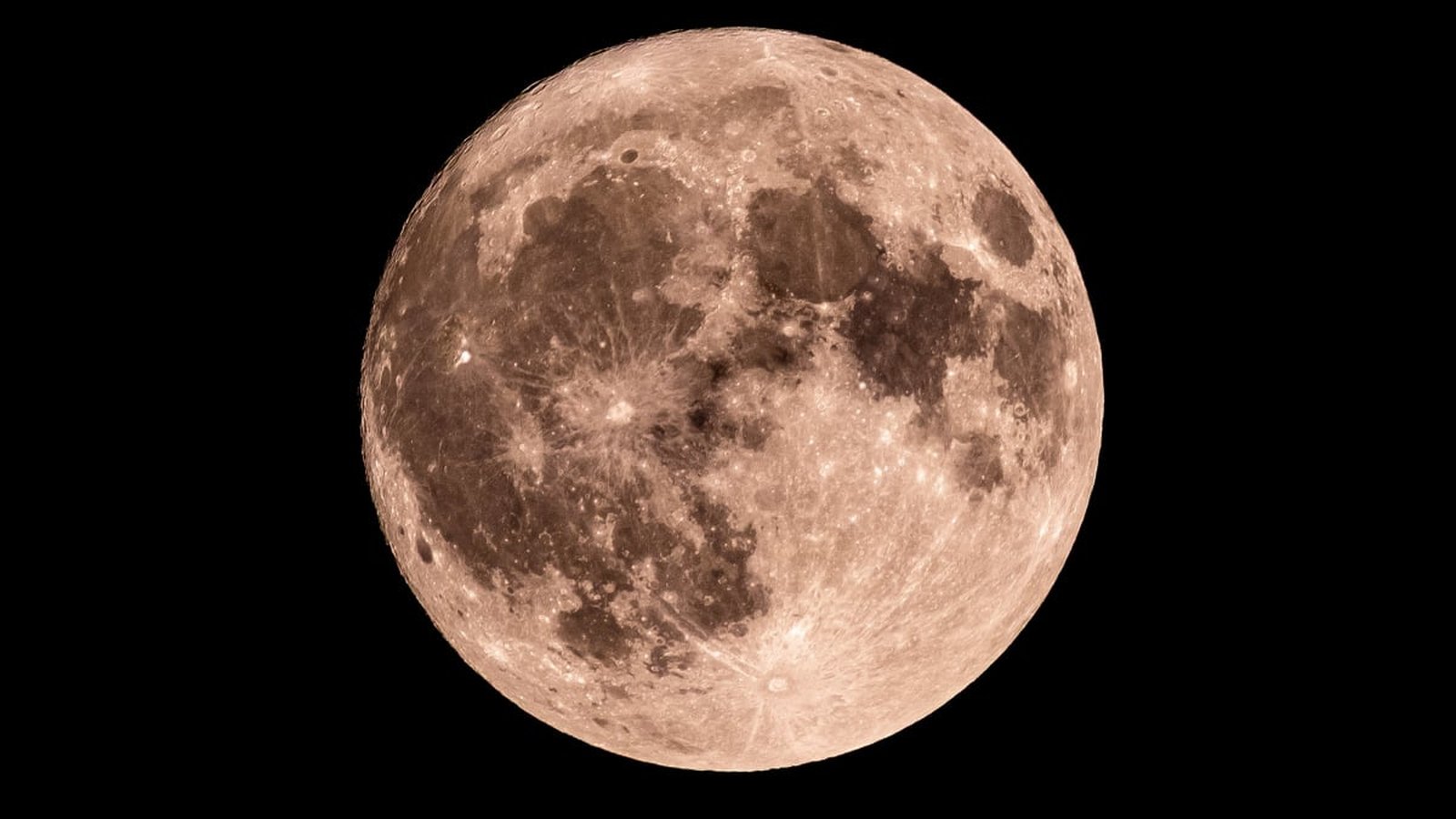
While the public remains captivated by the monthly lunar cycle—the 29.5-day progression of phases visible from Earth—the industrial reality of the Moon is shifting rapidly. As NASA prepares for the next full moon on June 29, the agency is simultaneously managing a complex logistics chain of 25 planned launches and 21 landings. The romanticized view of the Moon as a celestial body is being replaced by its status as a theater for geopolitical and economic competition.