


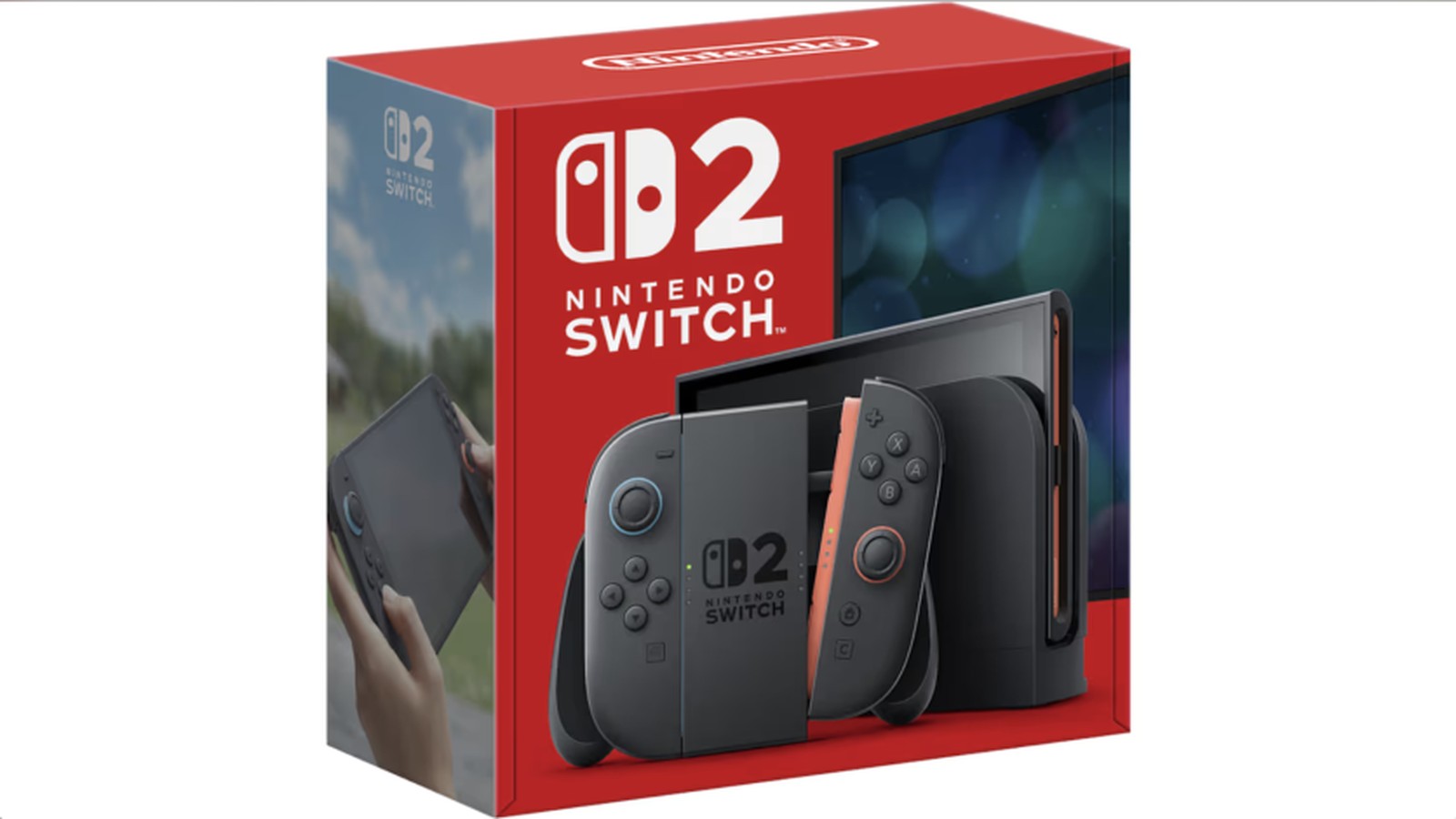
Earnings Report Reveals Hardware Sales Slump
Nintendo reported a sharp decline in hardware performance for the fiscal second quarter, with sales of the Switch 2 dropping 41% to 2.67 million units for the three months ending September 30, 2026. This figure marks a significant regression from the 3.82 million units sold in the previous quarter, according to CNBC. The company missed revenue expectations, reporting 448.2 billion Japanese yen against an anticipated 481.37 billion yen, as rising production costs and shifted consumer strategies impacted overall market momentum.
The sales downturn coincides with the expiration of Nintendo’s “Choose Your Game” promotional bundle on August 31, 2026. This marketing shift effectively increased the entry cost for new consumers by $110 to $130, accounting for both the $50 hardware price hike and the loss of included software titles such as Mario Kart World and Pokémon Pokopia, as reported by TechTimes. The combined impact of the price increase and the removal of value-added bundles has created a significant hurdle for consumer adoption in the U.S., Canada, and Japan.
The ‘Memflation’ Squeeze
Industry analysts have identified the root cause of these price adjustments as a structural reallocation of silicon capacity, a phenomenon Gartner has termed “memflation.” As global semiconductor manufacturers shift production lines toward high-bandwidth memory (HBM) to satisfy the surge in demand from AI data centers, the supply of conventional LPDDR5X DRAM—the memory utilized in the Switch 2—has tightened considerably. Micron and other major chip producers report that converting wafer capacity to HBM significantly reduces the output of consumer-grade DRAM, driving up costs for electronics manufacturers.
Nintendo president Shuntaro Furukawa confirmed that the $50 retail price increase does not fully offset the 41% rise in costs associated with LPDDR5X modules. With major suppliers like Micron and Silicon Motion warning that these shortages may persist through 2028, the current $499.99 price point is widely viewed by the market as a permanent adjustment rather than a temporary cyclical response. Nintendo’s own FY2027 forecast projects that memory and component price increases, combined with tariff changes, will impose a cost impact of approximately ¥100 billion on its finances this fiscal year.
The Japan Precedent
The Japanese market provides a stark case study for the consequences of these pricing shifts. On May 25, 2026, the domestic price for the Switch 2 rose from ¥49,980 to ¥59,980. Following this change, weekly hardware sales in Japan collapsed by 87%, falling from 247,880 units in the final pre-hike week to 31,751 units. While the console remained the top-selling platform in the region, the severity of this correction serves as a warning for Western markets now facing similar pricing pressure. Analysts note that even after the initial shock, the baseline weekly rate in Japan failed to recover to pre-hike levels, suggesting that the price floor has permanently altered the consumer adoption curve.
Market Outlook and Software Strategy
Despite the hardware sales collapse, Nintendo has maintained its fiscal year sales guidance of 16.5 million units. The company is now heavily reliant on software performance to drive console adoption. The recent release of The Legend of Zelda: Ocarina of Time remake is viewed as the primary catalyst for short-term sales growth. However, analysts remain cautious about whether current titles are sufficient to sustain momentum given the higher cost of entry. Nintendo also has new Pokémon games slated for release in 2027, which the company hopes will sustain interest.
“Nintendo’s only real blockbuster this fiscal year is the Ocarina Of Time remake. It’s not enough to make investors happy, especially after the device is now as expensive as it is,” noted Serkan Toto, CEO of Kantan Games. As the company looks toward 2027, the challenge remains to balance component procurement costs with the need to maintain a competitive position in a crowded gaming hardware market. The broader industry is currently seeing a reversal of traditional console pricing trends, where hardware typically becomes cheaper as manufacturing processes mature. Instead, the Switch 2, alongside the PlayStation 5 and Xbox Series X, has seen price increases as the hardware ages, reflecting the unprecedented dominance of AI infrastructure in global silicon allocation.
Global Hardware Context
The fiscal challenges faced by Nintendo are emblematic of a wider struggle in consumer electronics. The shift of cleanroom capacity toward HBM for AI accelerators has created a supply-side bottleneck that is expected to persist until at least 2028. This “AI squeeze” has forced companies like Sony, Microsoft, and Valve to adjust their pricing strategies as well, with the Switch 2 being the latest to succumb to the pressures of persistent DRAM inflation. While the $499.99 price point keeps the Switch 2 relatively affordable compared to high-end competitors like the $899.99 PlayStation 5 Pro or the $799.99 Xbox Series X, the removal of value-added bundles has effectively pushed the cost of ownership into a higher tier. Moving forward, Nintendo’s ability to maintain its 16.5 million unit target will depend heavily on the sustained appeal of its exclusive software library to bridge the gap between the new, higher price floor and the consumer desire for value.