


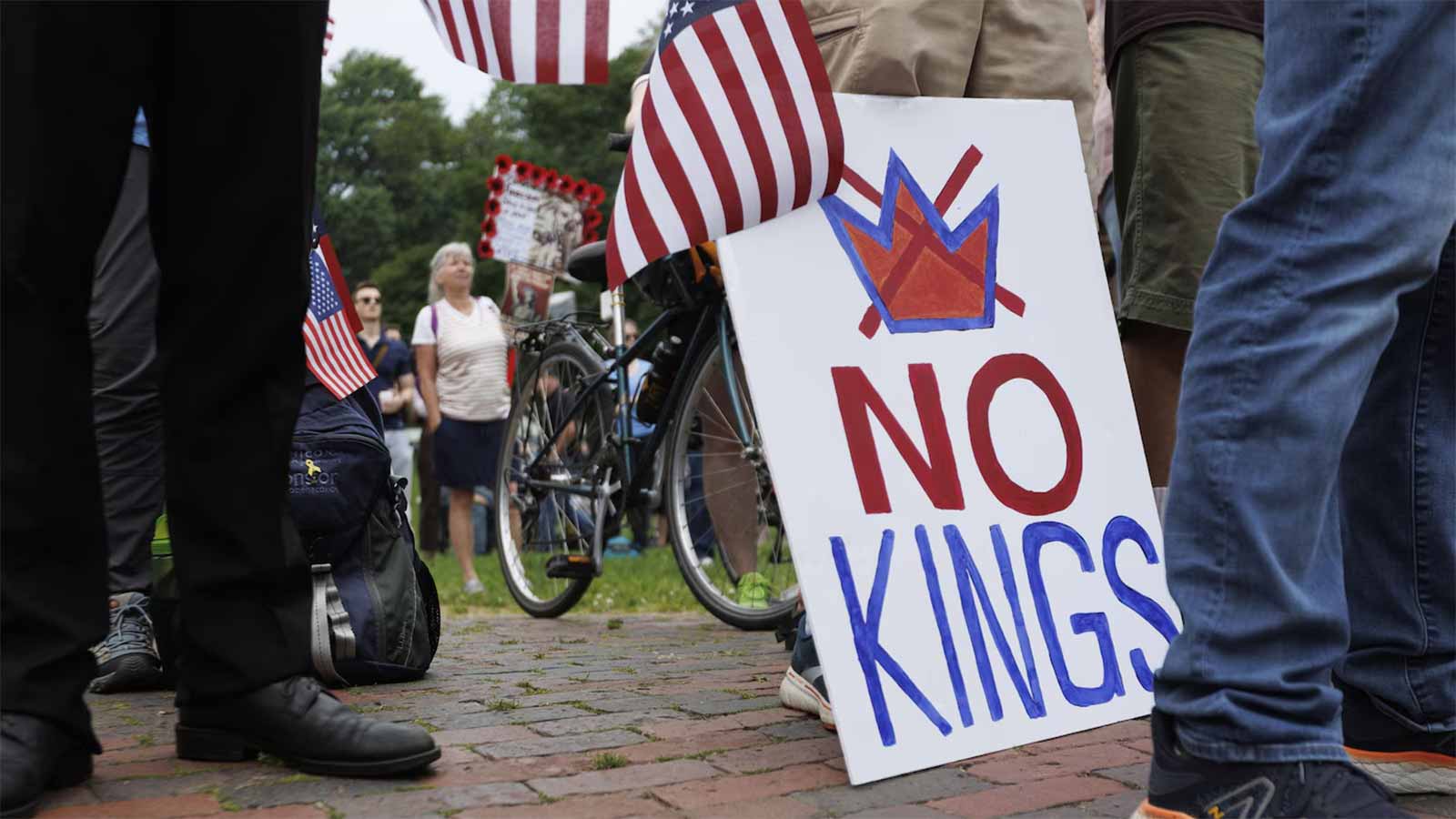
The ‘No Kings’ protest movement has emerged as one of the most defining and widespread demonstrations in modern American history, drawing millions of participants across the United States. This movement represents a collective call for equality and democracy, pushing back against what many perceive as authoritarian tendencies in leadership. Rooted in historical context and fueled by contemporary events, the ‘No Kings’ rallies have captured the nation’s attention and sparked heated debates across political and social spheres.
The Origins of the ‘No Kings’ Movement
The ‘No Kings’ movement traces its origins to a pivotal moment in American political history. The first rally took place on June 14, coinciding with a military parade organized to celebrate the U.S. Army’s 250th anniversary and the president’s birthday. For many, this event symbolized a growing trend toward authoritarianism, prompting widespread protests under the banner of ‘No Kings.’ The name itself serves as a direct rejection of perceived monarchical tendencies, emphasizing the foundational American principle that leadership should serve the people, not rule over them.
Since its inception, the movement has evolved into a broader coalition of organizations and individuals united by a shared vision of equality and justice. Key participants include prominent advocacy groups such as the American Civil Liberties Union, Human Rights Campaign, and MoveOn, among others. These organizations have leveraged their platforms to amplify the movement’s message, ensuring its resonance across diverse communities.
Core Messages and Goals
At its heart, the ‘No Kings’ movement advocates for a nation where power is derived from the people, not concentrated in the hands of a select few. This principle manifests in calls for government transparency, accountability, and the protection of democratic institutions. Protestors emphasize the importance of preserving affordable healthcare, lowering costs for working families, and ensuring equitable access to opportunities for all citizens.
Another central theme is the rejection of fear and force as tools of governance. Organizers have consistently highlighted the need for peaceful demonstrations to convey their message, distancing themselves from any accusations of violence or disruption. Their slogan, “Together, millions will send a clear and unmistakable message: we are a nation of equals,” encapsulates this commitment to unity and nonviolence.
Political and Social Reactions
The ‘No Kings’ protests have elicited strong reactions from across the political spectrum. Supporters view the movement as a necessary response to perceived overreach and authoritarianism, while critics have dismissed it as a partisan ploy. Republican lawmakers, including prominent figures such as House Speaker Mike Johnson and House Majority Whip Tom Emmer, have labeled the rallies as “hate America” events, accusing participants of undermining national unity.
These criticisms have not deterred the movement’s momentum. Instead, they have galvanized supporters who see such statements as evidence of the very issues they are protesting against. Democratic leaders, including Senator Chris Van Hollen, have vocally supported the protests, framing them as a continuation of America’s revolutionary spirit and a defense of its democratic ideals.
The Broader Movement Against Authoritarianism
The ‘No Kings’ rallies are part of a larger wave of resistance against perceived authoritarianism and centralized power. This broader movement includes various initiatives such as ‘Tesla Takedown,’ ‘Hands Off!,’ and ‘Workers over Billionaires,’ each addressing specific aspects of governance and societal inequality. Together, these efforts represent a coordinated push for systemic change, rooted in the belief that democracy must be actively defended and nurtured.
These protests have also drawn attention to the role of grassroots activism in shaping public discourse. By organizing events across all 50 states and engaging millions of participants, the ‘No Kings’ movement has demonstrated the power of collective action in influencing national conversations and policy agendas.
Legacy and Future Implications
As the ‘No Kings’ movement continues to evolve, its impact on American society and politics remains a subject of significant interest. The protests have not only highlighted pressing issues but have also underscored the enduring importance of civic engagement in a democratic society. By mobilizing millions of individuals and fostering a sense of shared purpose, the movement has reaffirmed the principle that democracy is a participatory process, requiring the active involvement of its citizens.
Looking ahead, the ‘No Kings’ movement serves as a reminder of the power of collective action in challenging injustice and advocating for a more equitable society. Its legacy will likely inspire future generations to remain vigilant in the face of authoritarianism and to continue striving for a nation that truly embodies the ideals of equality and democracy.
The ‘No Kings’ protest movement is a testament to the enduring spirit of democracy and the power of collective action. By uniting millions in a shared call for justice and equality, it has reaffirmed the foundational principles upon which the United States was built.