


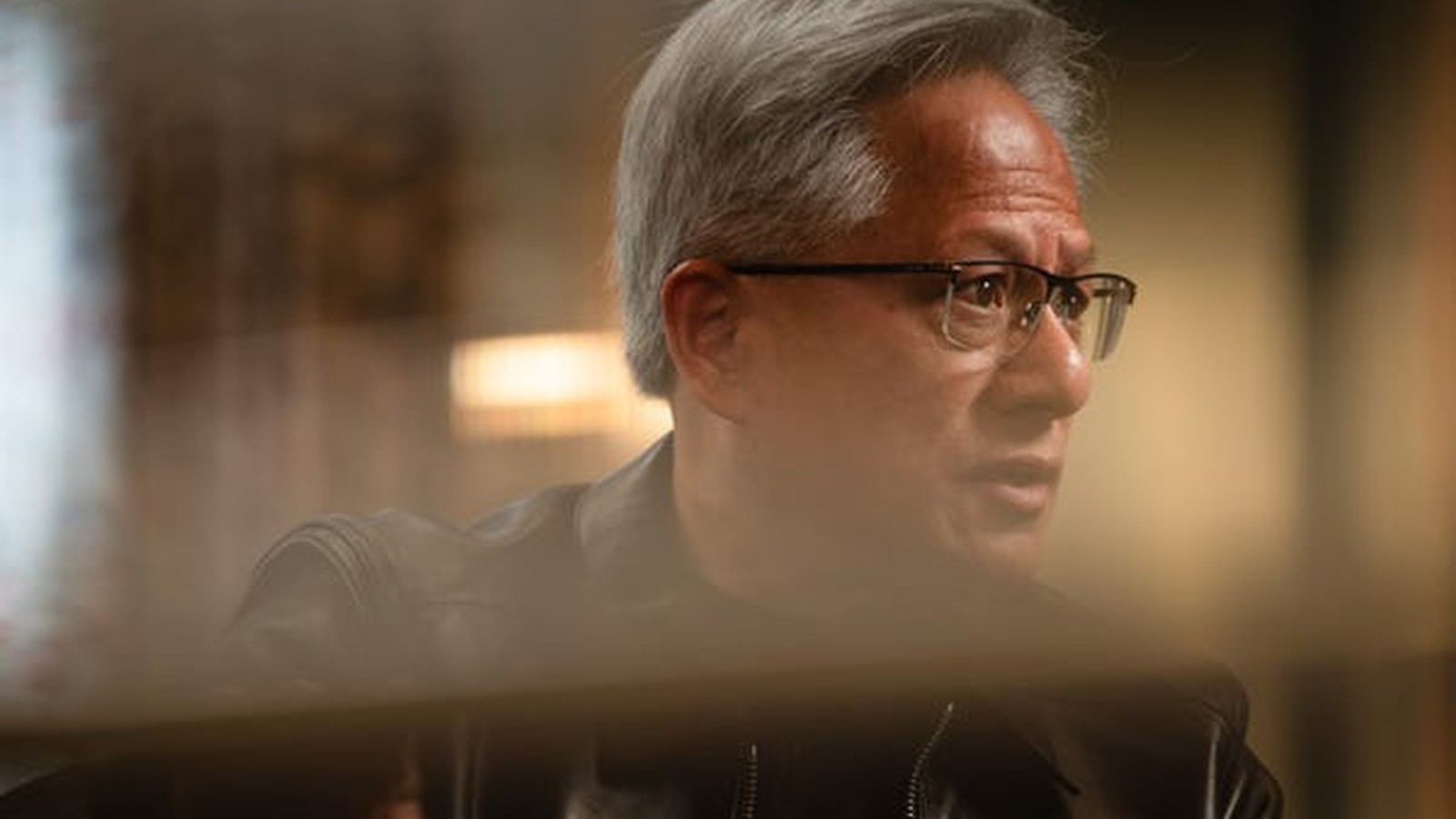
Board Investigation and Federal Inquiries Triggered
Nvidia’s board of directors has launched an independent investigation into CEO Jensen Huang following disclosures that his yearslong personal and professional relationship with executive Alice Huang enabled more than $7 billion in artificial intelligence chip sales to China The Information reported. The controversy, which has also drawn a parallel FBI inquiry, places a personal relationship at the center of one of the largest technology trade channels between the United States and China.
According to reports published in November 2026, the investigation centers on whether Jensen Huang was the target of a foreign intelligence effort. Alice Huang, a 52-year-old former executive at Singapore-based data center firm Megaspeed International, is suspected by U.S. authorities of acting as an intelligence asset for the Chinese government while exploiting her proximity to the Nvidia chief executive to secure preferential access to restricted hardware Streamline Feed reported. Megaspeed has denied any wrongdoing.
The $7 Billion China Channel and Export Controls
The disclosures expose critical vulnerabilities in U.S. export controls, which have sought since October 2022 to restrict China’s access to advanced computing power capable of training and running large artificial intelligence models. Megaspeed’s business model relies on renting out computing power derived from advanced Nvidia graphics processing units. Multiple reports indicate that the yearslong ties between the executives facilitated the shipment of at least $7.5 billion worth of Nvidia processors through Chinese entities, effectively bypassing stringent American trade restrictions.
For policymakers, the revelations raise serious questions about how export controls operate in practice. While Nvidia has maintained that it complies with all U.S. trade regulations, the case demonstrates how personal networks and cloud infrastructure rental models can move faster than formal enforcement mechanisms. Compliance teams at global technology companies face standing audit gaps when transactions comply with the letter of a rule but involve buyers or intermediaries tied to restricted end users.
Market Impact and Future Stakes
The unfolding crisis has sent ripples through global technology markets, forcing investors to weigh Nvidia’s strategic exposure to China against its wider worldwide growth. China has historically served as both a major revenue engine and a primary policy risk for the company. If customers in China believe that chip access depends on specific personal relationships, they may accelerate a diversification toward domestic alternatives such as Huawei or local cloud providers, gradually eroding Nvidia’s pricing power.
Nvidia’s board faces mounting pressure to determine whether company secrets or national security were compromised. The handling of Jensen Huang’s future at the firm will signal how seriously corporate governance and federal regulators treat security risks surrounding America’s dominant AI chip maker. Regulators are expected to decide whether to escalate formal enforcement actions based on the ongoing internal and federal investigations.