


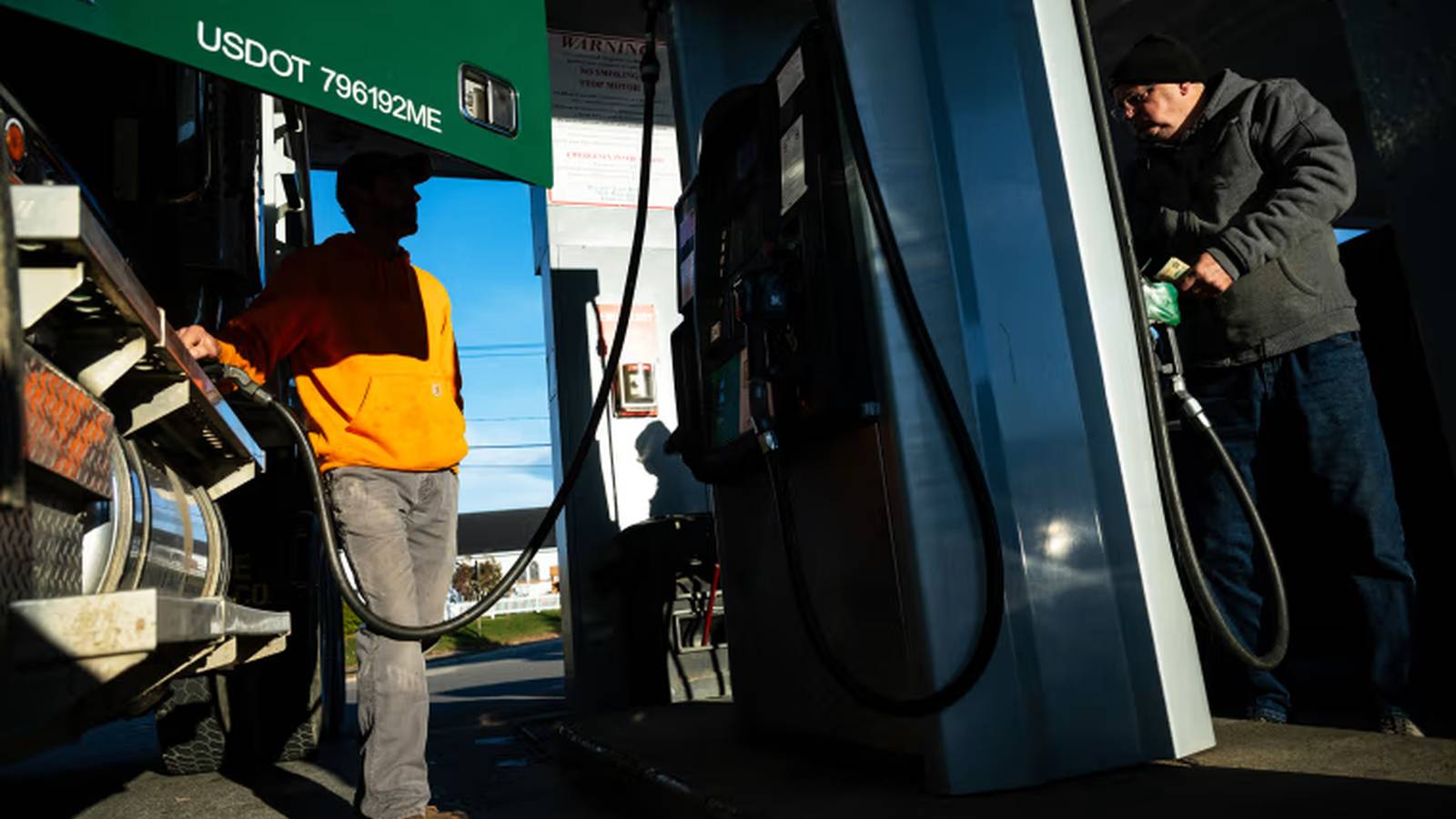
National Pump Prices Fall Below $4 Mark
U.S. average regular gasoline prices dropped below $4 per gallon on Tuesday, November 10, 2026, reaching $3.97 according to data from motor club NBC News. The milestone marked the first time pump prices have fallen below the $4 threshold since July 20, 2026, providing immediate financial relief to consumers grappling with prolonged high energy costs.
The national average decline was propelled by a broader retreat in retail gas prices throughout October. According to NBC News, prices fell from $4.41 per gallon on October 1 to $4.18 by the end of the month, representing a decline of more than 5%. This downward movement directly contributed to a slower monthly inflation reading, with consumer prices rising 0.4% in October compared to September’s 0.6% jump.
Crude Oil Markets and Geopolitical Shifts
The swift drop at retail pumps followed a historic collapse in global crude oil futures. Benchmark Brent oil plunged 13% over the prior week—its largest weekly percentage drop since April 2020 during the onset of the COVID-19 pandemic—before sliding another 5% on Monday and briefly dipping below $90 per barrel on Tuesday.
Market analysts attribute the sharp oil price correction to easing geopolitical tensions and shifting domestic political expectations. President Donald Trump repeatedly downplayed the prospect of renewed U.S. strikes on Iran and reported positive momentum in trilateral diplomatic talks concerning Russia and Ukraine. Furthermore, market traders reacted to the midterm congressional elections, betting that Democratic control of the House and Senate would introduce greater legislative scrutiny over ongoing military engagements.
Broader Economic Stakes and Federal Reserve Policy
Despite the relief at the pump, overall inflation trends and persistent fuel expenses continue to concern economic policymakers. Diesel fuel prices remain roughly 70% higher than at the start of the year, maintaining significant cost pressures on commercial transportation and supply chains.
Federal Reserve officials are weighing these mixed economic signals ahead of their upcoming policy meeting on December 8–9. In remarks reported by NBC News, Fed Governor Christopher Waller stated that despite the October deceleration in consumer prices, stronger-than-expected core inflation readings could necessitate a more aggressive 50 basis point interest rate hike to protect central bank credibility.