


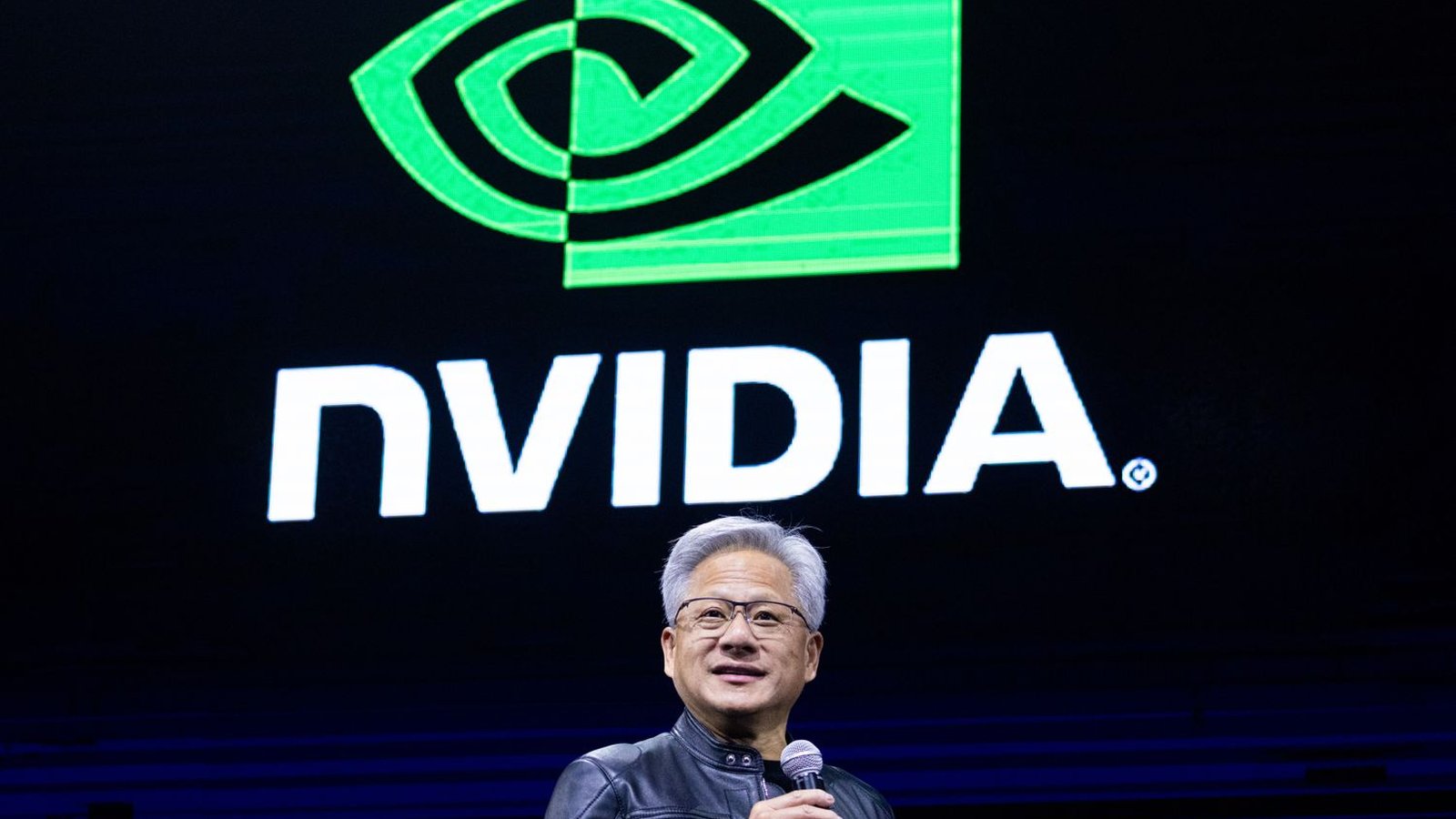
Jensen Huang’s Strategic Visit to South Korea: What’s at Stake?
This month, Jensen Huang, the CEO of Nvidia, will step onto the stage of the Asia-Pacific Economic Cooperation (APEC) CEO Summit in South Korea. Far from a routine business trip, Huang’s agenda is packed: from high-level meetings with global leaders to strategic conversations with Korea’s top tech executives. It’s a visit that signals more than just corporate networking—it’s about shaping the future of AI, technology, and international partnerships at a time when the semiconductor industry sits at the heart of global trade tensions.
Bridging Innovation: AI, Robotics, and Digital Transformation
According to Nvidia’s official statement, Huang’s participation is designed to “underscore Nvidia’s work to advance technology and drive growth in Korea and worldwide through AI, robotics, digital twins and autonomous vehicles.” In practical terms, this means fostering collaborations that can redefine how industries operate. Korea, with its robust semiconductor sector led by giants like Samsung Electronics and SK Hynix, is a natural partner in this endeavor. These firms produce the memory chips vital for AI data centers, the backbone of Nvidia’s explosive growth in recent years.
Huang’s expected meetings with Samsung and SK Hynix carry strategic weight. While Samsung declined to comment on the specifics and SK Hynix remained silent, the mere prospect of these conversations hints at possible deals or joint ventures that could ripple across the global supply chain. For Nvidia, whose chips power everything from research supercomputers to autonomous vehicles, deepening ties with Korea’s hardware leaders could mean securing critical resources and technological know-how.
Summit Timing: Trade Tensions and Geopolitical Crossroads
The APEC CEO Summit runs from October 28 to 31, parallel to the leaders’ summit where heads of 21 member economies convene. The timing is significant. Just weeks before, China accused Nvidia of violating anti-monopoly laws—an escalation in the ongoing trade war with the United States. As the summit opens, the world’s eyes are on whether tech diplomacy can help navigate these rough waters.
Notably, U.S. President Donald Trump confirmed plans to meet Chinese President Xi Jinping in South Korea, raising hopes of a possible trade deal. For Huang and Nvidia, this backdrop is more than political theater. Trade restrictions, regulatory scrutiny, and shifting alliances directly impact Nvidia’s business, especially in China, one of its largest markets. The company’s chips have already become collateral damage in the broader U.S.-China standoff.
Why Korea Matters for Nvidia’s Global Ambitions
South Korea isn’t just another stop on the tech circuit. It’s a nexus of innovation and manufacturing, and a key battleground in the race for AI supremacy. Nvidia’s relationship with Korean firms could unlock new pathways for research, production, and distribution, ensuring the company’s leadership in AI hardware and software.
The discussions at APEC aren’t confined to boardrooms; they’re expected to shape policy, investment, and cross-border cooperation for years to come. As AI continues to transform industries—from healthcare to transportation—the need for seamless integration of hardware, software, and talent grows ever more urgent. Huang’s presence at the summit is a testament to how crucial these international partnerships have become.
Looking Beyond the Summit: The Future of AI and Global Tech Cooperation
While details of Huang’s meetings remain closely guarded, the broader message is clear: Nvidia is positioning itself not just as a chip supplier, but as a global leader in AI innovation. By engaging with Korean tech giants and participating in the APEC Summit’s high-level dialogues, Huang aims to set the stage for breakthroughs that could define the next era of digital transformation.
As the summit unfolds, stakeholders across industries—from investors to engineers—will be watching for signals of new alliances, policy shifts, and technological milestones. The outcome could influence everything from the price of memory chips to the pace of AI adoption worldwide.
Jensen Huang’s South Korea visit is more than a headline—it’s a strategic move at a pivotal moment for global technology. With AI driving both opportunity and competition, Nvidia’s efforts to build bridges in Korea could chart the course for future innovation, collaboration, and resilience in an unpredictable world.