


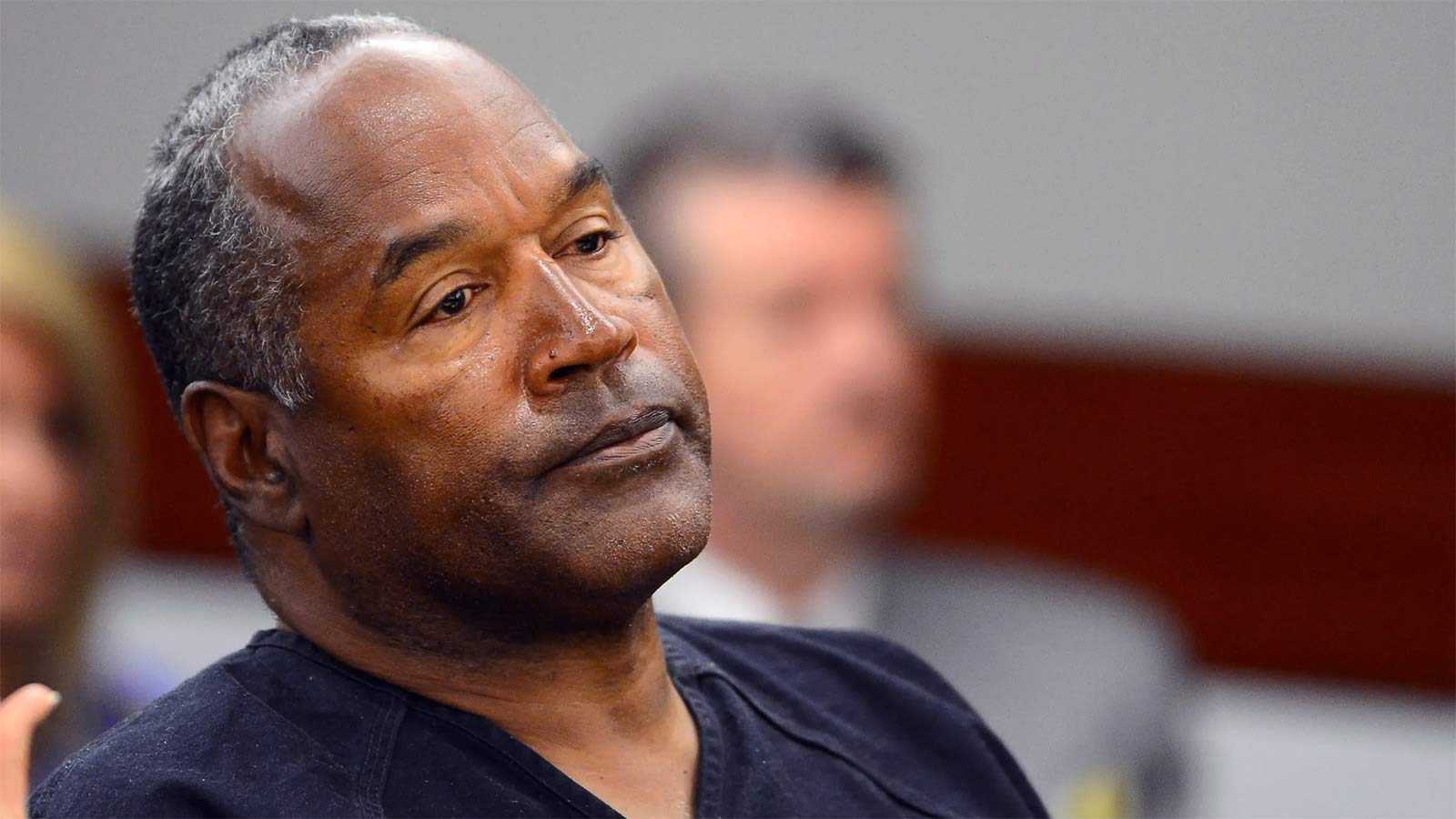
April 10, 2026, marks two years since the passing of Orenthal James Simpson, the former NFL star whose 1995 acquittal in the murders of Nicole Brown Simpson and Ronald Goldman remains one of the most polarizing chapters in American legal history. While public discourse often focuses on the cultural fallout of the case, the anniversary has brought renewed attention to the underlying forensic evidence and the shifting accounts of key expert witnesses who shaped the trial’s outcome.
Revisiting Forensic Credibility in the Simpson Case
Central to the skepticism surrounding the trial’s conclusion is the role of forensic scientist Dr. Henry C. Lee. Long regarded as a cornerstone of the defense’s strategy, Dr. Lee’s testimony regarding blood evidence and crime scene integrity provided the necessary doubt to secure an acquittal. However, as the legal community continues to analyze the trial decades later, questions have intensified regarding the accuracy of his forensic interpretations. Recent reports highlighting potential inconsistencies in his testimony have forced a re-examination of whether the ‘Dream Team’ defense relied on conclusions that lacked the scientific rigor initially presented to the jury.
The Enduring Shadow of the Trial of the Century
The persistence of the O.J. Simpson narrative in 2026 is not merely a product of historical curiosity. The case served as a catalyst for a massive shift in media consumption, famously influencing the rise of the shock-jock radio era. Figures like Anthony Cumia of the ‘Opie and Anthony Show’ rose to national prominence by engaging with the trial’s absurdities and the intense public fixation on Simpson. This legacy of the trial, where reality and entertainment blurred, continues to complicate the public’s ability to separate the legal facts from the media spectacle that surrounded the proceedings.
Scientific Scrutiny and Historical Accuracy
The stakes of these resurfaced forensic doubts are high. If key pillars of the defense’s argument are increasingly viewed as scientifically compromised, it challenges the finality of the 1995 verdict in the court of public opinion. The transition from viewing the trial as a closed chapter to a subject of ongoing forensic audit reflects a broader trend in high-profile legal history, where modern technology and retrospective analysis are used to challenge the reliability of legacy testimonies. The focus now shifts to whether the forensic reality will ever align with the legal finality achieved in the courtroom.
The resurgence of skepticism regarding Dr. Lee’s testimony suggests that the ‘Trial of the Century’ is undergoing a slow, structural revision, where the focus has drifted from the defendant’s guilt to the technical and procedural fallibility of the legal process itself.