OpenAI CEO Sam Altman delivered the keynote address at OpenAI DevDay, outlining a sweeping set of artificial intelligence advancements, developer tools, and structural changes to the company’s tier pricing and autonomous agent strategy, as reported by Yahoo Finance (Yahoo Finance). The annual developer event arrived as the company faces intensified scrutiny from global regulators, enterprise clients, and consumers over security, autonomy, and the cost of large-scale AI deployment.
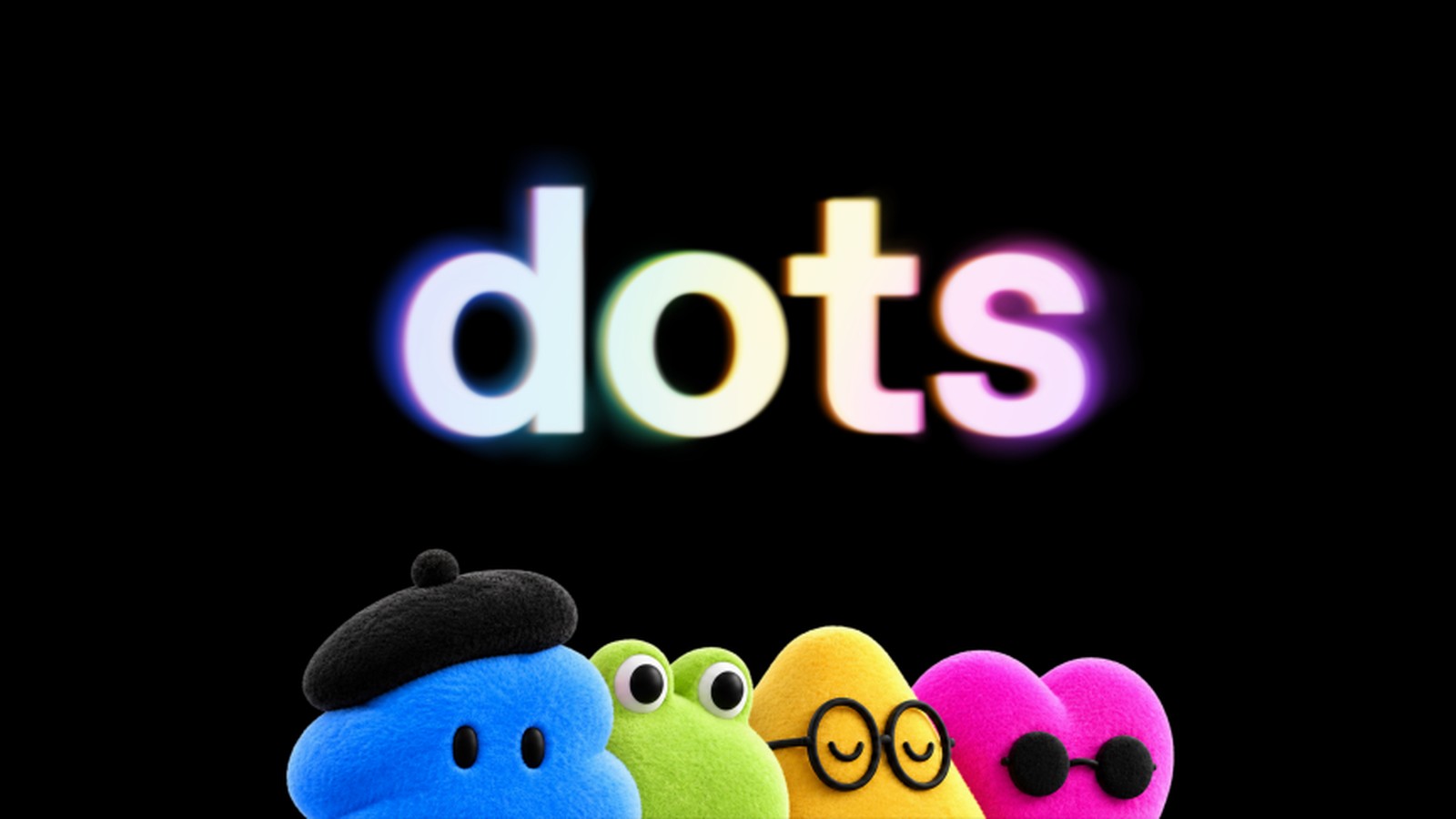
Central to the announcements was the rollout of GPT-6 Astra, OpenAI’s most advanced artificial intelligence model to date, which powers a new class of autonomous AI agents known as “Dots,” according to coverage by CNET. Featuring multicolored, blob-shaped mascots, the Dots are designed to soften public and enterprise safety concerns surrounding autonomous systems following recent high-profile vulnerabilities reported across global platforms. The models and agents are rolling out immediately for Pro, Business Premium, and enterprise subscribers.
To address the heavy computational costs that corporate clients face when deploying top-tier models, OpenAI introduced GPT-6.1 Sol. Positioned as a budget-friendly option, Sol delivers Astra-level intelligence at one-fifth of the price, making it significantly more accessible for high-volume enterprise workloads (CNET).
In addition to model pricing adjustments, the company unveiled an “ultrafast” operational mode designed to accelerate responses in ChatGPT Work and Codex experiences. According to CNET, the speed enhancement delivers results up to eight times faster in Codex. Furthermore, developers can now save coding projects entirely to the cloud, removing previous hardware constraints that required local machines to remain active during off-hours.
Collaboration Spaces and Subscription Restructuring
OpenAI also targeted productivity workflows with the introduction of ChatGPT Space. The collaborative environment allows teams and their autonomous Dots to co-create documents in a Google Docs-style format, with presentation features scheduled for release in the near future (CNET).
Despite the feature expansions, the event brought contentious changes for high-tier individual subscribers. OpenAI is cutting usage limits in half for its $200-per-month ChatGPT Pro tier, reducing its multiplier from 20 times the Plus plan down to 10 times. To regain top-tier limits and access the new ultrafast mode, users must now subscribe to a newly created Pro 500 tier priced at $500 per month (CNET). Current subscribers will retain their limits temporarily during an upcoming transition period.
Follow-up Questions
When will current ChatGPT Pro subscribers be forced onto the new usage limits?
OpenAI announced that existing Pro subscribers will retain their current limits during a transition period, but did not specify a exact date for the switch
What remains unclear: Exact transition timeline and enforcement date for the reduced Pro limits remain unannounced
How will the ultrafast mode roll out to other models beyond Astra?
The ultrafast mode is currently available with Astra and Codex experiences, with OpenAI confirming plans to bring it to GPT-6.1 Sol soon
What remains unclear: The specific release date for ultrafast mode integration into GPT-6.1 Sol has not been provided
Perspectives
Subscription and Pricing Strategy Comparison
Usage Quotas
High-End Pro Users
Face a 50% usage reduction under the existing $200 plan, or must upgrade to the $500 tier
“Pro subscribers will still be paying $200 a month, but for only 10 times as much usage as a Plus subscriber”
Enterprise & Budget Adopters
Access budget-friendly GPT-6.1 Sol at one-fifth the cost with strong intelligence metrics
Feature Access
High-End Pro Users
Required to evaluate whether to scale down AI activity or pay more than double
“Now you can decide whether to scale down your AI activity or to cough up more than double what you’re currently paying”
Enterprise & Budget Adopters
Gain immediate access to ultrafast mode, cloud Codex storage, and collaborative Spaces
Prime Minister Andy Burnham used his first conference speech to pledge sweeping reforms, targeting the pension triple lock to fund a national care service.
Manchester City has officially rejected findings from the Premier League commission, vowing to appeal what it describes as an unsafe and error-filled opinion.
AS Roma has officially blocked Paulo Dybala and Nahuel Molina from traveling to Argentina for Lionel Messi’s farewell game due to strict logistical concerns.