


Securities and Exchange Commission Filings Spark Market Reaction
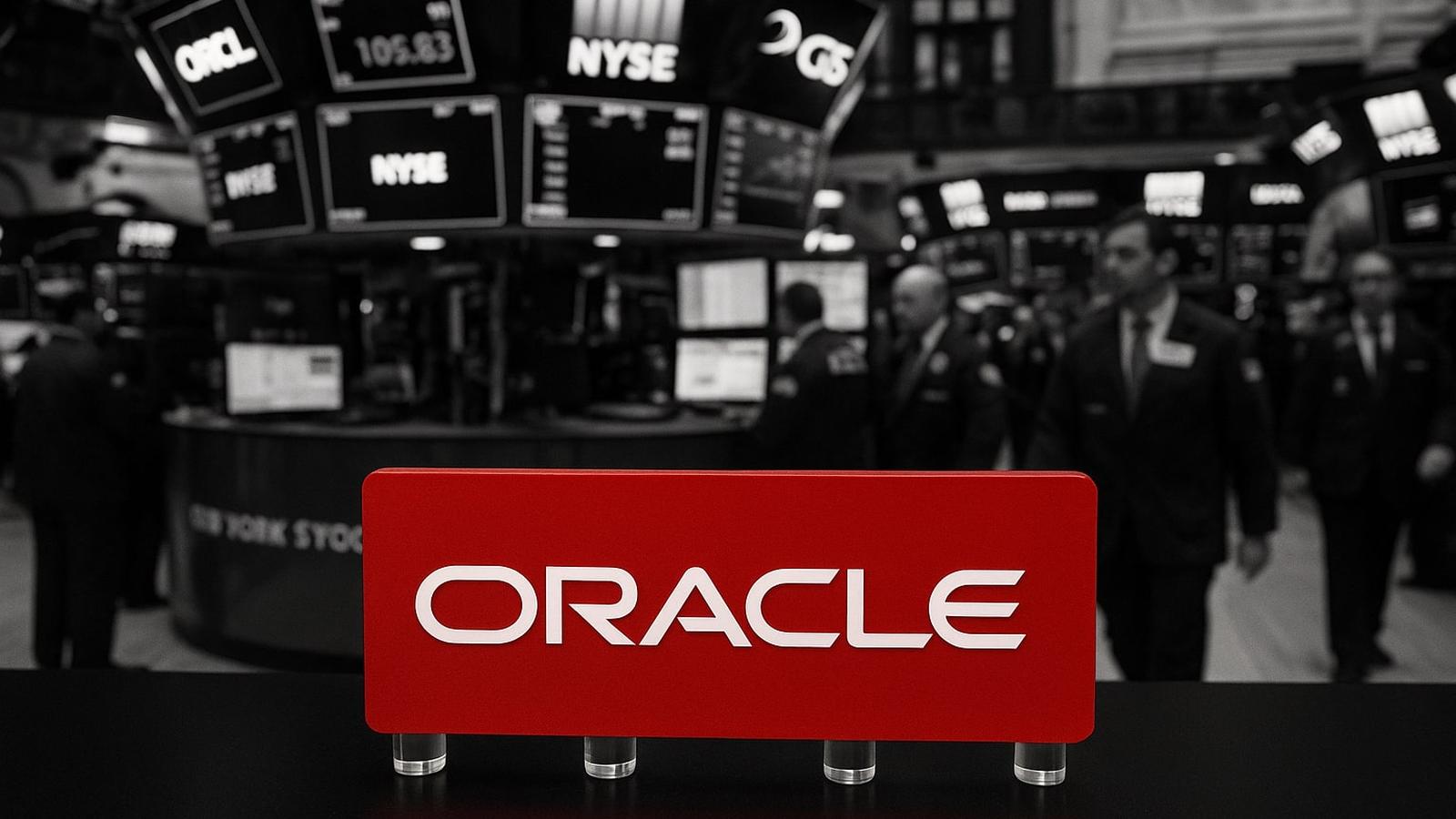
Oracle filed official plans on Monday, Nov. 2, 2026, with the Securities and Exchange Commission to issue $10 billion in common stock and $10 billion in senior notes, according to a report published by CNBC. The capital raise is intended to finance the technology company’s expanding artificial intelligence infrastructure buildout. Although the fundraising framework was previously outlined during an investor day presentation last week, Oracle shares tumbled 8.8% on Monday following the official filing release.
Market analysts noted that while the offering matched expectations, investors remain sensitive to corporate leverage. Rob Oliver, senior research analyst at Baird, told CNBC that the market reaction appeared disconnected from prior disclosures. “This seems to be exactly what they previewed,” Oliver said. “So I’m not sure why the market is freaking about it.” Oracle indicated it will use the net proceeds for general corporate purposes, which may include capital expenditures, debt repayments, and future strategic investments.
Funding Strategy and Fiscal 2030 Growth Projections
The $20 billion capital market package represents the total external funding Oracle has limited itself to for the fiscal 2027 to 2030 investment cycle. During last Wednesday’s investor gathering, management issued an ambitious revenue forecast of at least $225 billion for fiscal 2030. To transition toward positive free cash flow—expected by the second half of 2028—Oracle plans to supplement capital market financing with vendor financing, customer-provided hardware, and customer prepayments.
UBS analyst Karl Keirstead noted in a research note that the self-imposed fundraising limit serves as a reassuring boundary for capital markets. “This is a major relief given concerns about the state of debt markets and the cost of capital,” Keirstead wrote, while acknowledging that UBS views broader debt market anxieties as overstated.
Debt Load Pressures and Credit Ratings
Investor apprehension centers on Oracle’s substantial debt burden, which stood at $125.34 billion as of Aug. 31, 2026, with the majority held in senior notes. Shares of Oracle have declined 33% in 2026 and 50% over the trailing 12-month period, reflecting persistent market pressure. Furthermore, the yield on Oracle’s investment-grade 4.95% bond due in 2031 has risen to 7.276%.
Credit metrics also reflect heightened risk. According to S&P Global Market Intelligence’s Gavan Nolan, Oracle’s five-year credit default swaps—representing insurance against default—have surged 265% over the past year to a spread of 292, placing them closer to high-end junk bond territory. S&P downgraded Oracle to BBB- in July, leaving the credit rating one level above high yield.
Execution Risks and Market Scrutiny
Market observers emphasize that Oracle’s long-term valuation depends heavily on operational execution rather than financing announcements alone. Pat Nerney, head of investment solutions at Dynasty Financial Partners, highlighted this sentiment in comments reported by CNBC. “Can they do what they say they are going to do?” Nerney asked, describing the dynamic as a prevailing narrative across the artificial intelligence sector.
“If this gets executed according to plans laid out, they will be rewarded,” Nerney added. “If they have to come back to market in the back half of ’27 after telling everyone this was the last of the capital needed … look out.” As the company navigates its multi-year capital expenditure cycle, institutional stakeholders and credit markets will closely monitor whether Oracle can achieve its cash flow and revenue milestones without requiring additional dilutive financing.