


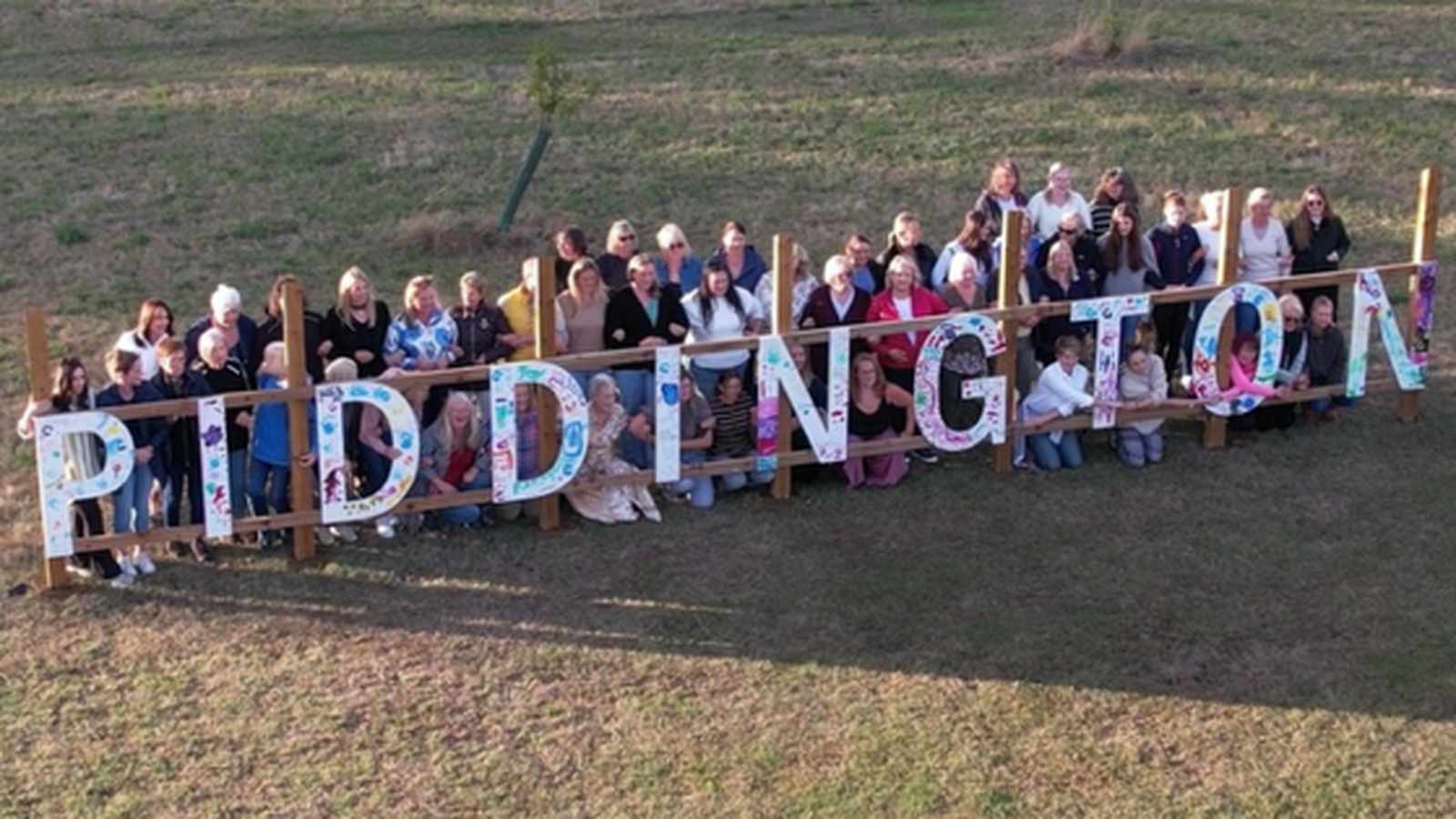
A group of 133 female residents from the village of Piddington in Oxfordshire has launched an organized challenge against Home Office proposals to house 1,256 male asylum seekers at the adjacent MoD Bicester site. The movement escalated this week as the group published an open letter addressed to all female Members of Parliament, calling attention to safety concerns and stating that the plan threatens their security, movement, and local quality of life, according to reporting by the BBC. In tandem with the letter, the village is preparing to hold a symbolic referendum next week to register formal opposition to the development.
The controversy stems from the UK government’s policy shift away from housing asylum seekers in hotels—a measure that has drawn criticism over fiscal costs and public demonstrations—toward large-scale communal arrangements on public land. The government had initially submitted an Urgent Crown Development application to expedite approval for the MoD Bicester location on national importance grounds, but the plan is currently subject to a public consultation period set to close on September 17.
Addressing local pushback, the Home Office stated that community consultation remains a core component of its immigration reform strategy. A spokesperson emphasized that centralizing housing on former military infrastructure has reduced taxpayer spending on asylum support by over £1 billion since the general election. Official planning documents indicate that the MoD Bicester facility is designed to operate as a self-contained complex featuring basic amenities on site to minimize resident travel, though designated Home Office shuttle buses and public transit options will connect the facility to nearby municipalities.
The current initiative mirrors historical friction over the site. A previous attempt by a Labour government to establish an asylum accommodation centre at MoD Bicester in 2005 was abandoned following sustained opposition. As of March, official figures showed 20,885 asylum seekers residing in hotel accommodations across the United Kingdom, representing roughly 21 percent of the total population awaiting decision processing, while 72,768 individuals were housed in alternative residential setups.