


Outbreak Reaches Historic Scale
HARRISBURG, Pa. (Azat TV) – The Pennsylvania Department of Health (DOH) confirmed on Wednesday, November 4, 2026, that an unvaccinated resident of Jefferson County has died following a positive measles diagnosis. This fatality marks the sixth measles-associated death in the Commonwealth during the 2026 calendar year. The state’s official dashboard, updated with federal data from the Centers for Disease Control and Prevention (CDC), shows that the total number of confirmed infections has reached 1,467 across 45 counties. This figure surpasses the case count of the 1991 Philadelphia epidemic, making this the largest measles outbreak in Pennsylvania in nearly 50 years. Reporting source: wfmz.com.
This latest death highlights the persistent challenge of an outbreak that originated in late April 2026. Health officials noted that 34 new cases have been identified since November 2, underscoring the virus’s continued transmission. Epidemiological data indicates that 283 patients have required hospitalization since the onset of the outbreak, with unvaccinated individuals accounting for the vast majority of severe outcomes. While the state health department notes that the outbreak may be showing signs of slowing from its September peak, the record-breaking death and case toll continues to place significant strain on the Commonwealth’s healthcare infrastructure.
Clinical and Public Health Impact
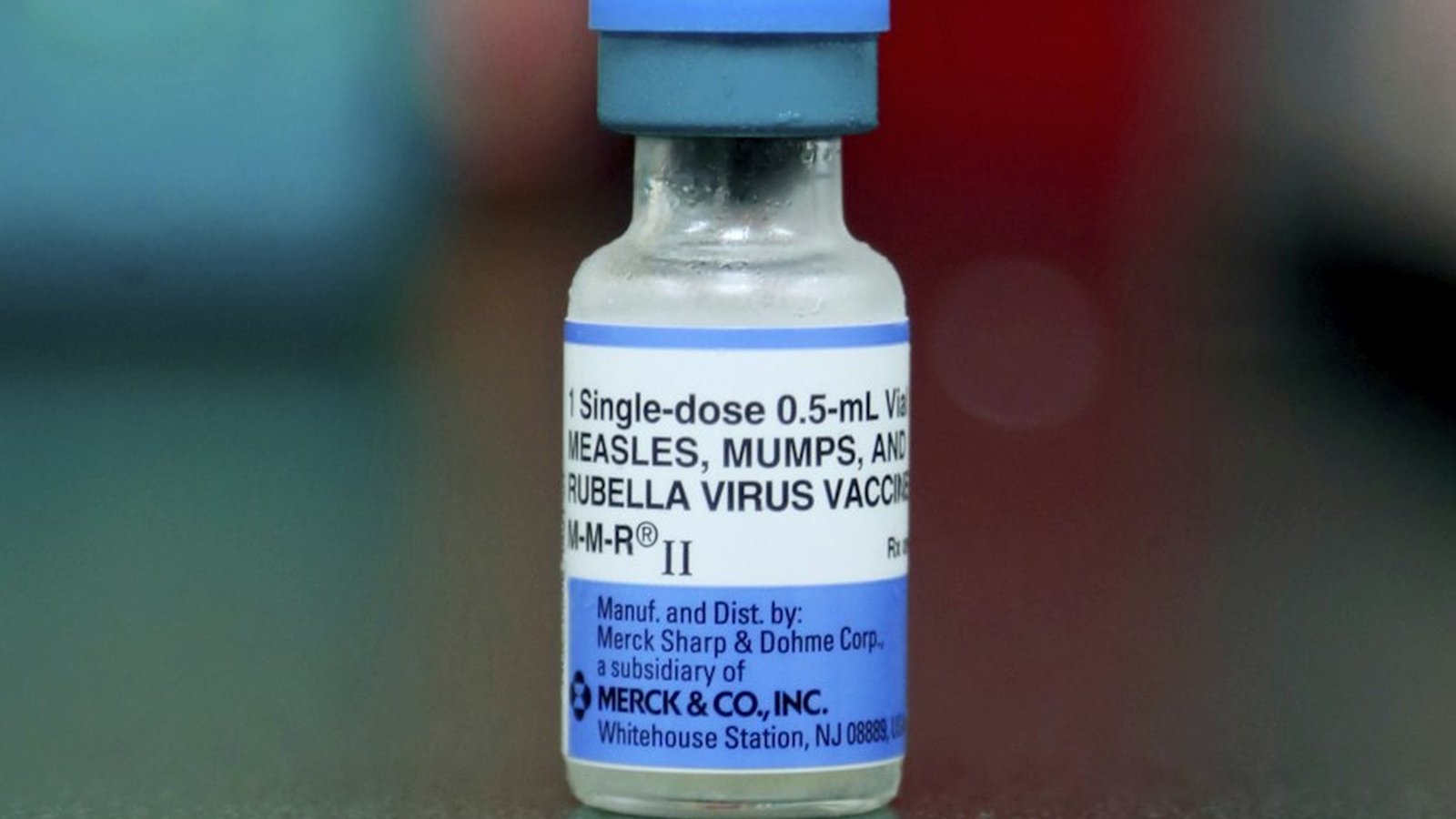
The Pennsylvania Department of Health reports that vaccine efficacy remains high, with less than 1% of the total confirmed cases occurring in individuals who had previously received the MMR vaccine. To combat the spread, the state has facilitated the administration of over 6,800 doses of the MMR vaccine through 241 mobile clinics. Combined with routine vaccinations at state health centers, more than 10,900 doses have been administered specifically in response to this surge. Furthermore, demand has spiked significantly; providers who typically administer 25,000 doses monthly saw that figure climb to over 56,000 in September and 61,000 in October.
The logistical burden remains significant. Measles is a highly contagious respiratory virus that can remain infectious in the air and on surfaces for up to two hours after an infected person has left a space. Symptoms typically manifest between 7 and 21 days post-exposure, beginning with fever, cough, and conjunctivitis, followed by the characteristic rash. Medical professionals, including Dr. Patrick Gavigan of Penn State Health Golisano Children’s Hospital, report treating severe complications such as pneumonia and encephalitis. Public health experts have also noted the emergence of congenital measles, with at least 85 pregnant patients having contracted the virus, raising the risk of transmission to newborns.
Administrative Challenges and Oversight
While the DOH continues to provide data to the CDC, state officials have noted discrepancies between their internal investigations and federal classification criteria. For instance, while the state is aware of a reported death in Franklin County from October, the DOH investigation has not yet confirmed the case as meeting the specific criteria for a measles-associated fatality. The six confirmed deaths to date have been localized to Jefferson, Lancaster, and Mifflin counties.
The geographic scope of the outbreak, affecting 45 of Pennsylvania’s 67 counties, has necessitated a decentralized response. Officials are coordinating with local health departments, Federally Qualified Health Centers, and the Vaccines for Children program to maintain vaccine access. The DOH has maintained a dedicated toll-free hotline, 877-PA-HEALTH, to assist residents with symptom reporting and vaccination inquiries. As the state moves into the final months of 2026, the focus remains on closing the immunity gap in the most affected regions through continued community engagement and pop-up clinics.
Public health experts, including Jennifer Nuzzo of the Pandemic Center at Brown University, emphasize that the outbreak serves as a “stress test” for the state’s public health system. Achieving herd immunity, which requires approximately 95% of the population to be immunized, remains the primary objective. Achieving this will require overcoming pockets of vaccine resistance and ensuring that marginalized communities have consistent access to medical services. With winter approaching and more residents gathering in indoor spaces, the potential for continued transmission remains a significant concern for health authorities across the Commonwealth.