


Internal power dynamics and the reported resignation
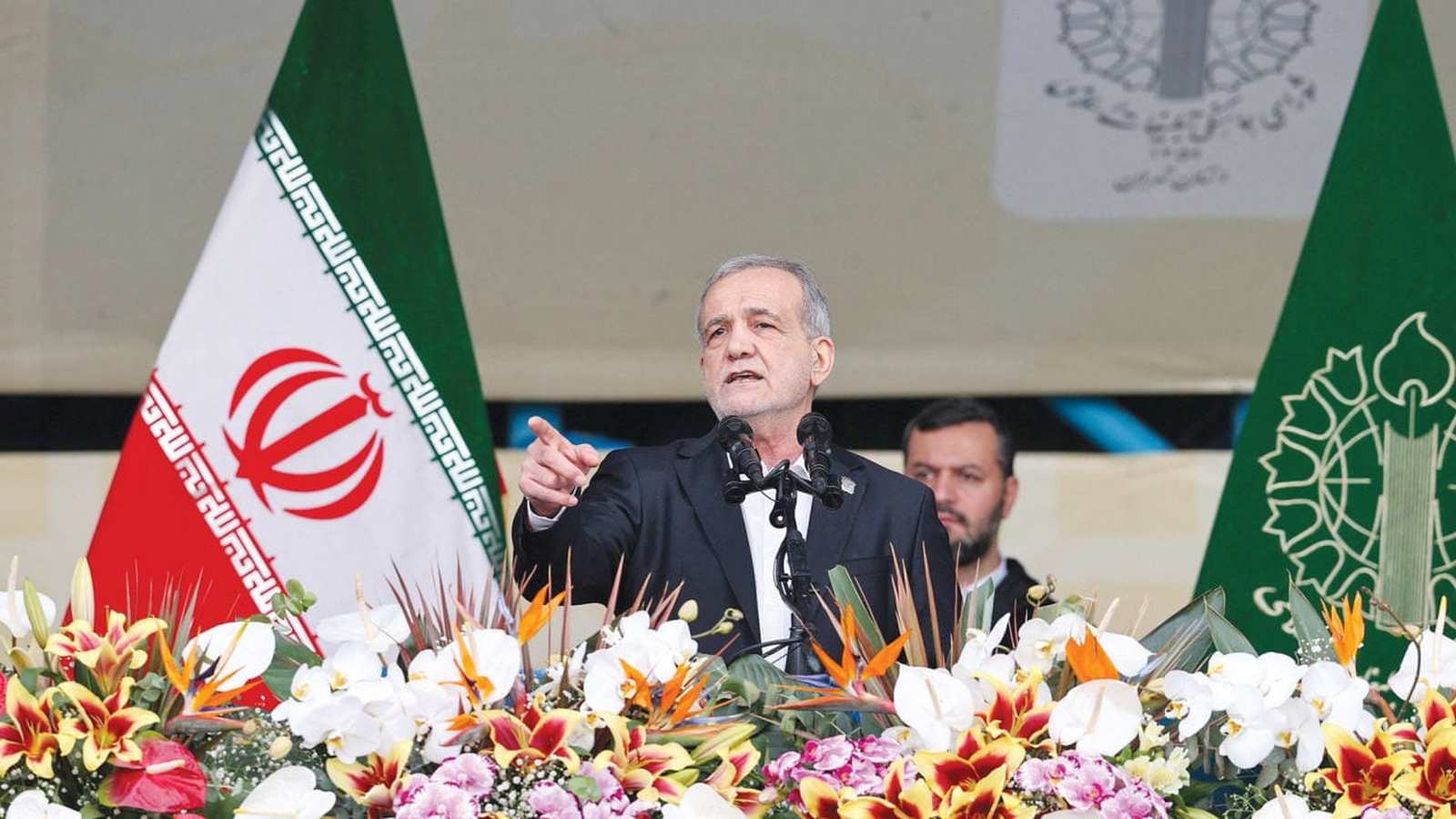
Iranian President Masoud Pezeshkian has reportedly submitted a formal request to resign from his position, according to reports surfacing on Sunday. The move, which has not been officially confirmed, was allegedly communicated through a letter addressed to the office of Supreme Leader Mojtaba Khamenei. Reports originating from Iran International suggest that the document contains sharp criticism regarding the current state of governance in Tehran, with Pezeshkian claiming that the country’s management structure has deviated from its official path.
The central point of friction, as cited in the reported correspondence, is the perceived total control exerted by high-ranking commanders of the Islamic Revolutionary Guard Corps (IRGC). Pezeshkian allegedly argued that his administration has been effectively sidelined from critical national decision-making processes, rendering him unable to fulfill his constitutional duties or manage the government’s responsibilities effectively.
The response from Tehran and the context of the crisis
Official channels within the Iranian regime have vociferously denied the report. The Tasnim News Agency, citing an unnamed government source, dismissed the claims as fabrications designed to sow discord and provide intelligence to foreign actors. Mehdi Tabatabai, an adviser to the president, took to social media to label the reports as a continuation of previous media campaigns, insisting that the president remains committed to his duties.
This development occurs against the backdrop of significant internal instability. Beyond the political friction between the civilian government and the security apparatus, the regime is navigating a period of profound uncertainty regarding the Supreme Leader’s accessibility. Recent reports from CBS indicate that Mojtaba Khamenei is currently operating from a secure, undisclosed location, reachable only through a complex network of couriers, which has further complicated the internal communication flow within the highest echelons of the state.
Economic impact and the role of the IRGC
The alleged resignation highlights the broader structural issues plaguing Iran’s economy. The IRGC is estimated to control between 20% and 40% of the nation’s economy, utilizing clandestine networks to bypass international sanctions. This economic dominance, combined with the military’s influence over foreign policy and security, has left the civilian government with limited levers to address the grievances of a public facing severe economic strain.
Observers note that the timing of this reported rift is critical. As the regime faces pressure from both domestic unrest and the fallout from regional military engagements, the perceived collapse of the executive branch’s influence suggests a potential shift toward a more centralized military-led governance model. Whether this letter represents a definitive break or a tactical maneuver within the regime’s internal power struggle remains to be seen, as the Supreme Leader’s office has yet to provide public clarification.
The reported resignation appears to be a manifestation of a long-standing structural crisis in Iran, where the formal presidency is increasingly being hollowed out by the IRGC, leaving the president as a figurehead with no actual authority over the state’s military or economic trajectory.