

Quick Read
- Beaufort Castle captured in deepest Israeli incursion into Lebanon since 2000.
- Defense Minister Israel Katz stated the site will be part of an expanded security zone.
- Over 3,350 people have been killed and 1 million displaced in the current conflict.
- The capture precedes high-level talks scheduled in Washington for June 2-3.
Strategic Escalation in Southern Lebanon
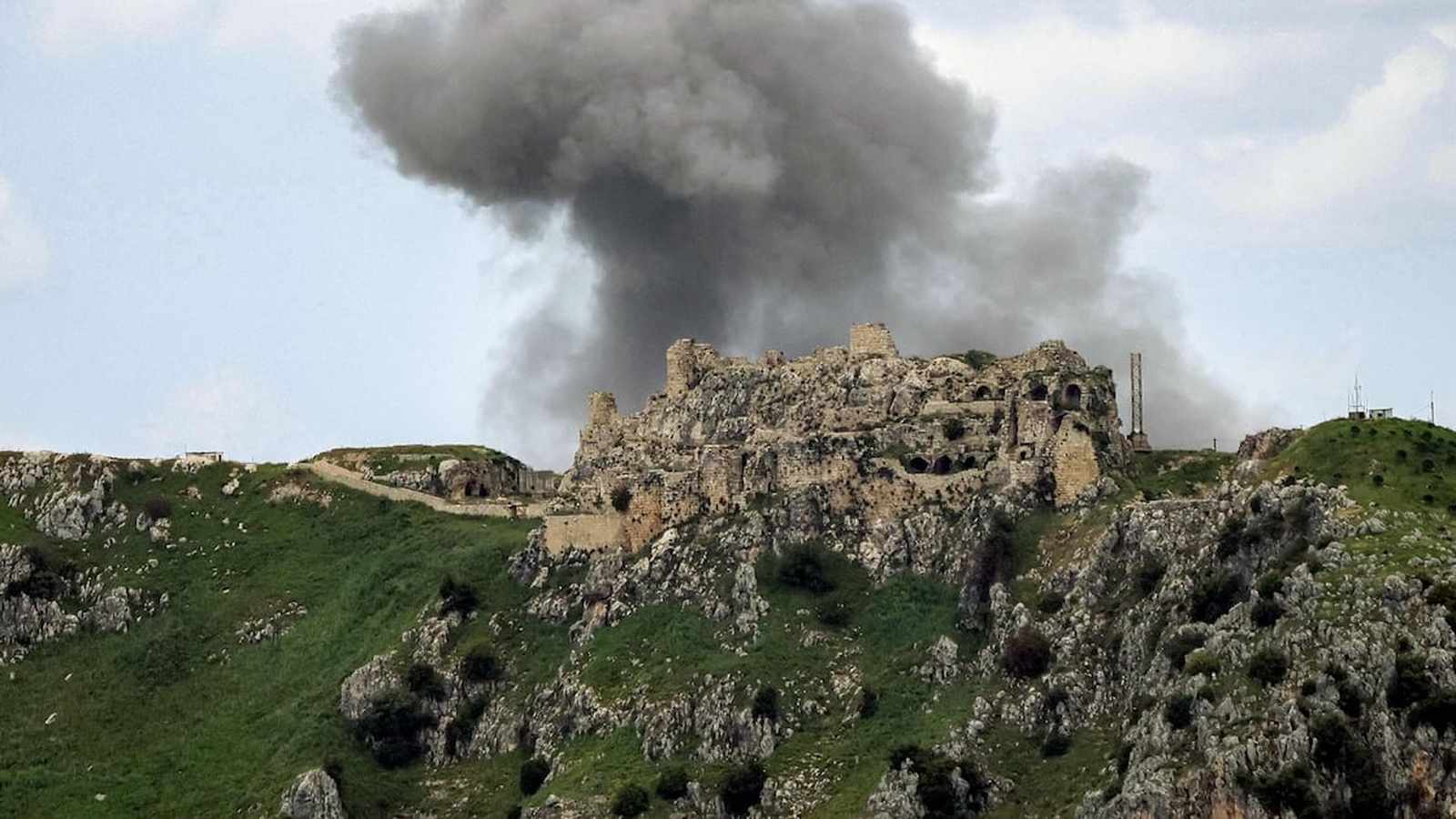
Israeli military forces confirmed on Sunday the capture of the 12th-century Beaufort Castle, a historic fortress overlooking the Litani River in southern Lebanon. This operation represents the deepest ground incursion by Israel into Lebanese territory in over a quarter-century, signaling a significant shift in the operational parameters of the ongoing conflict between Israel and Hezbollah.
The capture of the site, known in Arabic as Al-Shaqif, follows days of intense bombardment and ground combat. According to the Israel Defense Forces (IDF), the objective of the operation is to dismantle entrenched Hezbollah infrastructure that has utilized the high-altitude vantage point for surveillance and rocket operations targeting northern Israel. Defense Minister Israel Katz stated that Israel intends to maintain a presence at the location as part of an expanded security zone.
Historical and Military Significance
Beaufort Castle’s strategic value has persisted for nearly a millennium, serving as a vantage point for various armies, including the Crusaders, the Ottoman Empire, and the Palestine Liberation Organization (PLO). For Israel, the site holds deep symbolic weight; it was a central outpost during the 18-year occupation of southern Lebanon that ended in 2000. Prime Minister Benjamin Netanyahu characterized the return to the fortress as a moment of renewed strength, emphasizing the government’s directive to deepen control over previously Hezbollah-held territories.
Despite the existence of a nominal ceasefire that has been in place since April 17, the recent military advancements indicate a collapse of diplomatic restraint. The expansion of operations beyond the Litani River—previously considered a de-facto limit for ground maneuvers—has prompted fresh evacuation orders for major population centers, including the city of Nabatiyeh and the coastal city of Tyre.
Diplomatic and Humanitarian Stakes
The intensification of the conflict comes just days before scheduled high-level talks at the U.S. State Department. While the U.S. has signaled support for Israel’s freedom of action against regional threats, the humanitarian cost continues to mount. Reports indicate that over 3,350 lives have been lost in Lebanon since the current round of fighting began, with more than 1 million people displaced. Hezbollah has maintained a consistent pace of resistance, utilizing drone technology and rocket salvos against Israeli positions, further complicating the tactical landscape for advancing ground forces.
The capture of Beaufort Castle serves as a physical manifestation of the breakdown of the April ceasefire and the transition toward a more aggressive, long-term security posture by the Israeli government. By re-establishing a footprint in a location that serves as the ‘eye on the south,’ Israel is signaling a departure from previous tactical engagements toward a strategy of territorial consolidation. As both sides prepare for further escalation, the upcoming diplomatic engagements in Washington face the difficult task of reconciling these hardening military realities with the urgent necessity for regional stabilization.