

Quick Read
- The School District of Philadelphia shifted to virtual learning on Feb 23, 2026, due to a severe blizzard.
- A rare blizzard warning caused widespread disruption, including city service suspensions and transit delays.
- The district has recommended closing 20 schools, including six middle schools, citing ‘efficiency issues’.
- These closures are part of a strategy to optimize resource allocation and enhance student opportunities.
- Other regional districts either closed entirely or maintained virtual learning during the storm.
PHILADELPHIA (Azat TV) – The School District of Philadelphia, the largest in Pennsylvania, implemented virtual learning for its nearly 200,000 students on Monday, February 23, 2026, due to a severe nor’easter and blizzard warning across the region. This immediate operational shift coincided with the district’s ongoing strategic efforts to enhance educational resources, which include a recommendation to close 20 schools, six of which are middle schools, citing efficiency as the primary driver.
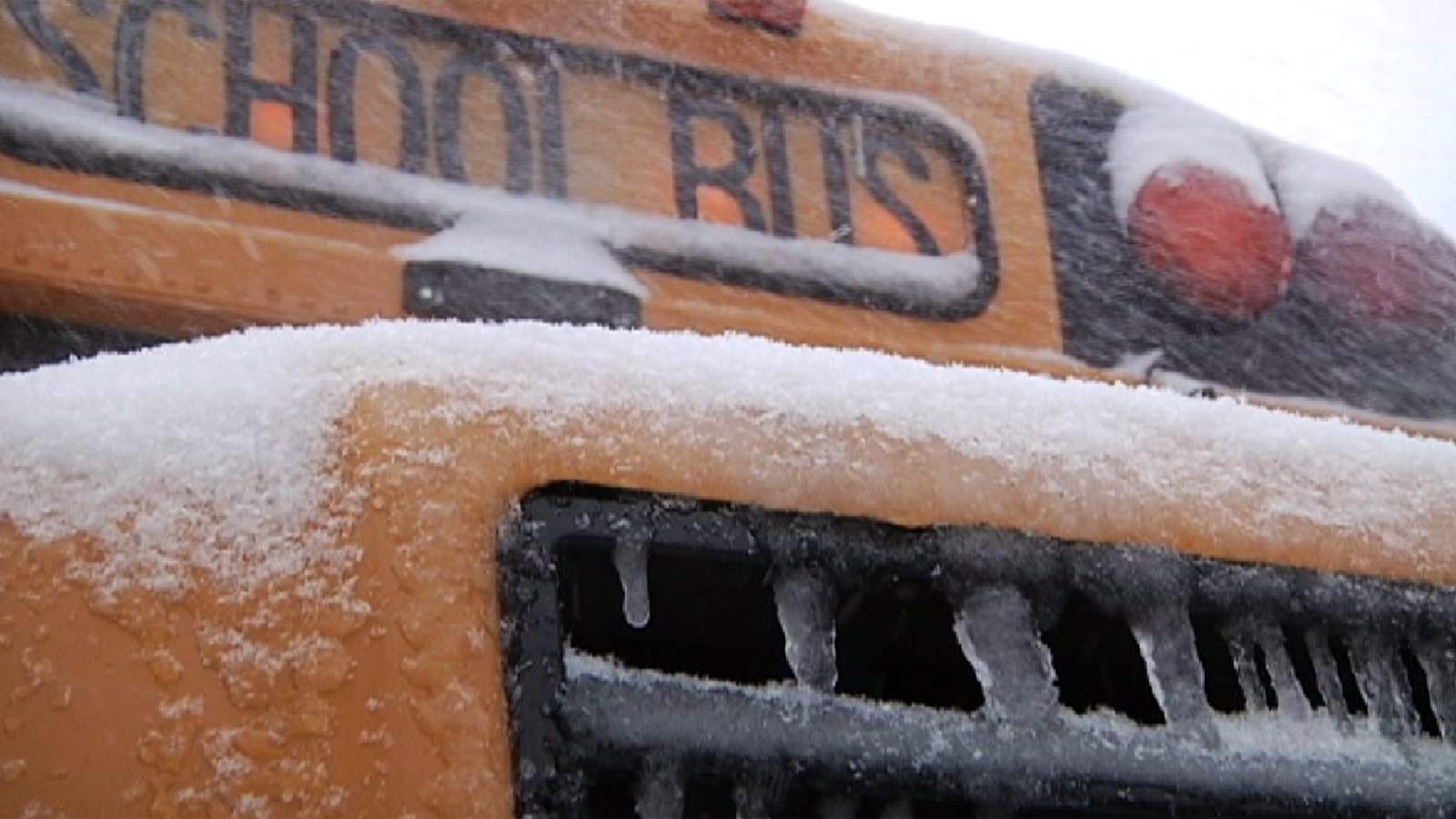
The decision to move to virtual instruction was a direct response to a rare blizzard warning that brought over a foot of snow to the Philadelphia area, causing widespread disruption. City services, including trash collection, were suspended, and public transportation experienced significant delays and cancellations, as reported by The Inquirer and NBC Philadelphia. The district’s rapid pivot to online learning aimed to ensure educational continuity while prioritizing the safety of students and staff during the extreme weather event.
Philadelphia Schools Shift to Virtual Learning Amid Blizzard
As the nor’easter intensified, the School District of Philadelphia announced that all city schools would transition to virtual instruction for the day on February 23, 2026. This measure allowed students to continue their learning remotely, avoiding hazardous travel conditions. Other districts in the wider region, including Camden and several suburban areas, opted for complete closures, while the Community College of Philadelphia also closed its physical campus, maintaining only online and hybrid courses.
The rapid mobilization of virtual learning infrastructure underscored the district’s capability to adapt to unforeseen circumstances, a critical component of its commitment to providing high-quality education. This adaptability is particularly vital in a large urban district where ensuring consistent access to education for all students remains a top priority.
District Proposes 20 School Closures for Efficiency
Beyond the immediate weather response, the School District of Philadelphia is navigating a significant structural change. The district has recommended closing 20 schools, a move officials attribute to an ‘efficiency issue.’ Among the proposed closures are six middle schools, while other educational facilities are slated to remain open or even expand their operations. This initiative is part of a broader strategy to optimize resource allocation and enhance opportunities for students.
The closures are intended to streamline operations, consolidate resources, and potentially reinvest savings into programs and facilities that can better serve the student population. Such decisions are often complex, balancing community concerns with the long-term vision for academic improvement and fiscal responsibility. The district’s leadership has emphasized that these recommendations are aimed at improving the overall educational experience for students across Philadelphia.
Strategic Resource Allocation in Philadelphia Education
The dual developments—the swift response to the blizzard and the strategic recommendation for school closures—highlight the School District of Philadelphia’s ongoing efforts to manage its extensive network of schools effectively. These actions are framed by the district’s commitment to high-quality education and empowering students to reach their full potential. Resource allocation, whether through maintaining virtual access during emergencies or reorganizing physical infrastructure, is central to achieving these goals.
The district’s proactive measures, from ensuring learning continuity during a blizzard to making difficult decisions about school closures for efficiency, reflect a concentrated effort to align its operational structure with its educational mission. These initiatives are critical for shaping the academic outcomes and future prospects of Philadelphia’s students, directly impacting the city’s overall well-being.