


Strategic Acquisition
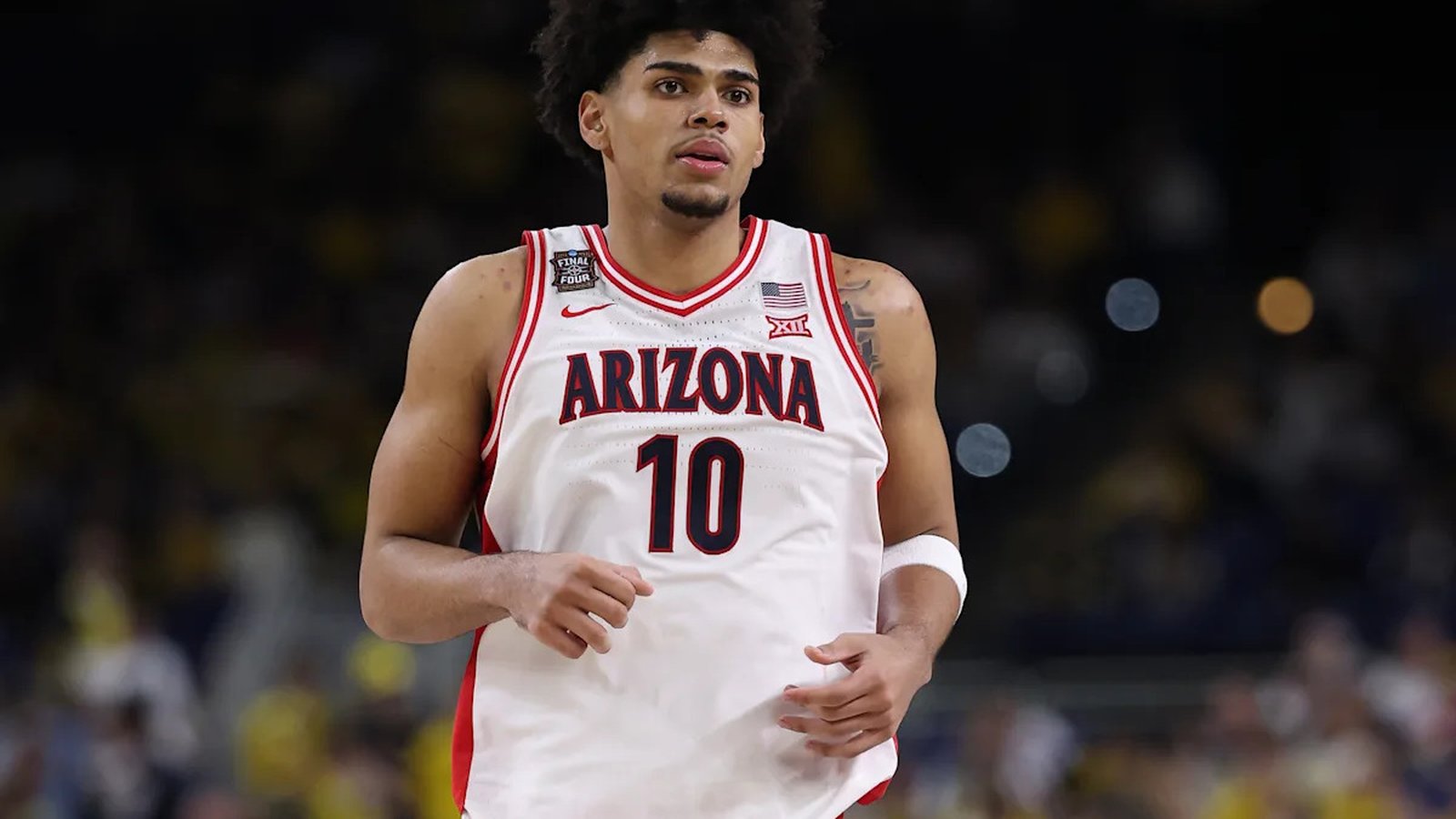
In a decisive move on draft night, the Phoenix Suns secured the 30th overall pick in the 2026 NBA Draft to select Chandler native and former University of Arizona forward Koa Peat. The acquisition was finalized through a complex three-team trade involving the New York Knicks and the Dallas Mavericks. To facilitate the move, the Suns parted with the 47th overall pick and future second-round selections in 2029 and 2033.
The trade underscores the Suns’ commitment to integrating local talent into their roster. Peat, a standout one-and-done freshman, was instrumental in leading the Arizona Wildcats to their first Final Four appearance in 25 years. During his collegiate campaign, he started all 36 games, averaging 14.1 points and 5.6 rebounds per contest.
Analysis: The Transition and Technical Hurdles
While Peat’s collegiate resume—highlighted by his selection as the West Region Most Outstanding Player—is impressive, his transition to the professional level faces immediate scrutiny. The primary concern among scouts and analysts remains his jump shot mechanics. Following the conclusion of the NCAA tournament, Peat worked with shooting coach Chris Johnson to refine his form, a decision that yielded mixed results during pre-draft workouts, including the NBA Draft Combine and Klutch Sports’ pro day.
Data from his pre-draft evaluations reflected these inconsistencies, with Peat struggling in spot-up and 3-point shooting drills. Analysts like Sam Vecenie of The Athletic have noted that the concern extends beyond raw shooting percentages, focusing instead on the mechanical adjustments that caused him to slide out of the lottery projections.
Under the guidance of Suns head coach Jordan Ott, the organization will likely prioritize stabilizing Peat’s offensive role. His 6-foot-7, 245-pound frame and proven ability to compete at high-pressure levels provide a strong foundation. However, to secure consistent minutes in a competitive Western Conference, Peat must demonstrate that his mechanical adjustments can translate into reliable floor spacing, a vital requirement for modern NBA wings. The Suns’ investment suggests they value his high basketball IQ and championship pedigree—evidenced by his four high school state titles and multiple USA Basketball gold medals—as much as his immediate physical utility.