


Midterm Realities and National Campaign Tour
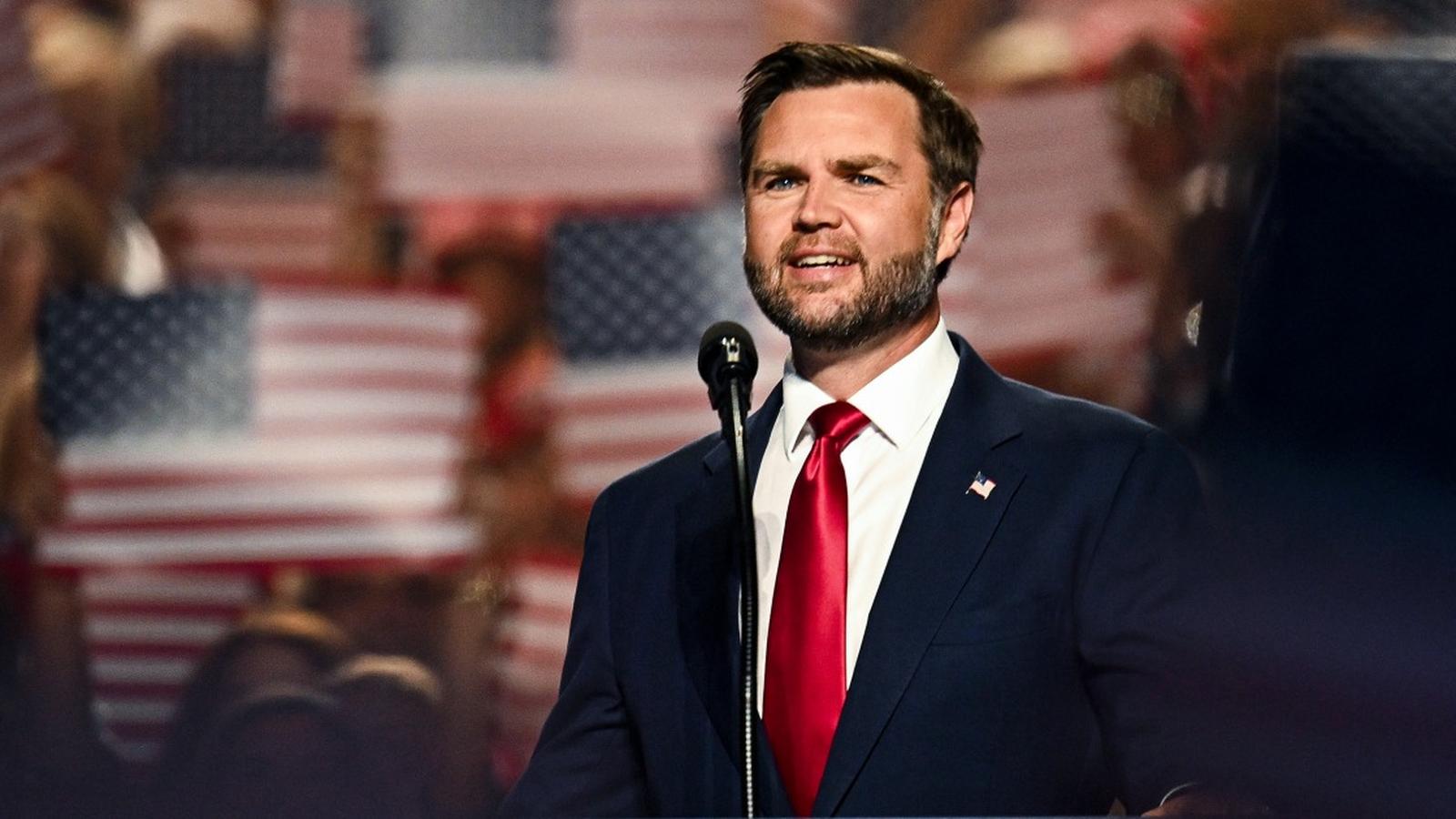
Vice President JD Vance acknowledged during a national campaign swing that Republicans face an uphill climb in the upcoming midterm elections, noting that the electoral outcome could serve as a key data point when he evaluates a potential presidential run in 2028, as reported by NBC News. Vance’s remarks came as part of an aggressive travel schedule aimed at rallying conservative voters and supporting GOP candidates in key states.
During a stop in Florida, Vance appeared alongside gubernatorial candidate Byron Donalds and U.S. Senate candidate Ashley Moody. The event also sparked immediate controversy after Vance criticized state Rep. Angie Nixon, the Democratic U.S. Senate candidate, telling a Lakeland crowd that she did not belong in America due to her self-described Democratic socialist views, according to the Orlando Sentinel. Nixon fired back on social media, accusing the administration of intrusive agendas while campaigning on her home turf.
Weighing Political Friction and 2028 Horizons
As the administration navigates a difficult political environment marked by public impatience over inflation, rising fuel costs, and affordability concerns, NBC News noted that Vance was noncommittal on whether substantial midterm losses would deter a future White House bid. At the same time, the vice president addressed potential primary dynamics, discussing prospective rivalries such as Texas Senator Ted Cruz while maintaining that his immediate focus remains securing victories for Republican candidates this fall.
Vance’s national itinerary continues beyond the Southeast. According to Alaska’s News Source, the Republican National Committee announced that Vance is scheduled to travel to Fairbanks for a high-stakes midterm rally, bolstering incumbent Senator Dan Sullivan and congressional candidate Nick Begich in contests that remain central to the Senate balance of power.
Policy Stances and Voter Discontent
Addressing voters’ economic frustrations during his travels, NBC News reported that Vance acknowledged public impatience with current economic conditions, including elevated gasoline prices. On technology policy, Vance adopted a nuanced stance regarding the rapid expansion of artificial intelligence and massive data centers, balancing enthusiasm for technological advancement with cautions regarding energy grid capacity and cybersecurity risks.
With just weeks remaining before voters head to the polls, the administration’s national messaging strategy seeks to counter voter skepticism while laying the groundwork for the post-midterm political landscape.