


Tactical Stability Over Raw Potential
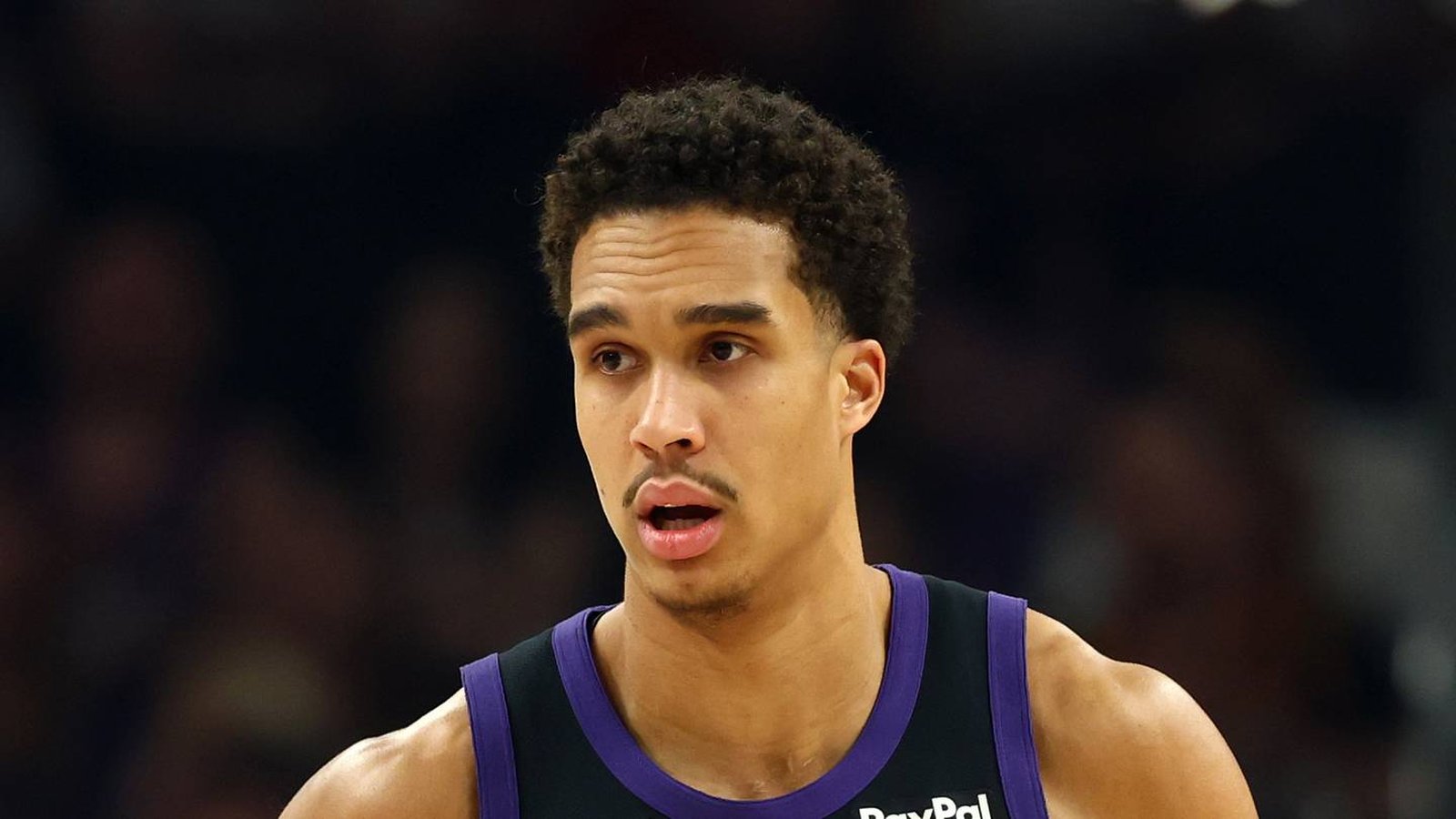
As the Phoenix Suns prepare for their October 21 season opener against the Portland Trail Blazers, head coach Jordan Ott appears to have settled the team’s most pressing personnel question. During the team’s fourth preseason contest against the San Antonio Spurs, veteran big man Oso Ighodaro was held out of action alongside the presumed starting unit. According to reporting from Valley of the Suns, this strategic rest serves as a significant indicator that Ighodaro has secured the starting center role to begin the 2026-27 campaign. This decision marks the culmination of a weeks-long evaluation process necessitated by the unfortunate offseason injury to Mark Williams, who remains sidelined with a torn labrum.
With Williams unavailable, the coaching staff faced a binary choice between the experienced, playmaking-oriented skill set of Ighodaro and the high-upside, raw physical profile of rookie Khaman Maluach. By leaning toward Ighodaro, Coach Ott is prioritizing a “connector” presence at the five-spot—a role that demands consistent defensive switching and offensive facilitation, areas where Ighodaro has shown reliability through his tenure with the club. While the absence of Williams creates a void in the paint, the organization has opted for the security of a known quantity over the potential volatility of an unproven rookie.
Managing Developmental Optics
The decision to start Ighodaro provides the organization with a necessary cushion regarding the long-term development of Maluach. As highlighted by Sports Illustrated, the Suns have maintained a cautious approach throughout the preseason, mixing and matching both centers with various lineups to evaluate chemistry. While Maluach’s massive frame and emerging perimeter shooting ability have drawn internal praise and significant media attention, placing him in a starting role immediately could create unnecessary pressure for a player still adjusting to the pace of the NBA. The former Duke big man, acquired in the Kevin Durant trade, remains a focal point of the team’s future, but the staff is keen to avoid the pitfalls of premature elevation.
The optics of the rotation are equally important for team morale and long-term asset management. If Maluach were to start and eventually be relegated to the bench, it could signal a developmental setback that the team is eager to avoid. By starting the season with Ighodaro, the team allows Maluach to earn his minutes through production rather than necessity. This “earn-it” approach is designed to foster confidence, ensuring that when Maluach does eventually secure a larger role, it is viewed as a promotion rather than a corrective measure. The organization recognizes that Maluach’s integration must be handled with precision to protect his confidence as he adapts to the professional level.
The Strategic Pivot
The Suns face a delicate balance in their rotation structure. Offensively, Ighodaro offers a hub-style presence that can facilitate ball movement and open up opportunities for perimeter shooters like Collin Gillespie and Luke Kennard. However, the first unit currently lacks a natural playmaker, making Ighodaro’s familiarity with the offensive system an essential asset in the early weeks of the season. Coach Ott has repeatedly emphasized that the rotation remains fluid, stating that matchups and performance will ultimately dictate who finishes games. The coaching staff has been transparent about the fact that they will continue to evaluate performance on a game-by-game basis.
While Ighodaro is the current favorite for the starting nod, the organization continues to view this as a competitive battle rather than a permanent decree. The absence of Mark Williams remains a significant variable; should Ighodaro struggle or should Maluach demonstrate that he has outgrown his bench role, the coaching staff retains the flexibility to pivot. For now, however, the Suns are choosing to prioritize the immediate defensive and playmaking stability that Ighodaro provides, effectively insulating their young prospect from the high-stakes environment of opening-night rotations. This calculated patience reflects a broader organizational shift toward prioritizing sustained team cohesion over individual hype.
Evaluating the Competitive Landscape
The competition between Ighodaro and Maluach has been a defining narrative of the Suns’ preseason. The intensity of this battle was evident throughout the exhibition schedule, where the staff experimented with various units to determine the optimal fit. According to comments provided by Maluach himself, the team made a conscious effort to rotate players across different lineups, ensuring that every player had the chance to demonstrate chemistry with both the starters and the reserve units. This methodology was essential for Coach Ott, who noted that while a starting center is preferred for consistency, the nature of modern NBA matchups often requires tactical flexibility.
The decision to hold Ighodaro out during the fourth preseason game was the final piece of evidence needed to confirm the hierarchy. In the context of the NBA, resting key rotation players is almost exclusively reserved for those who have already locked in their roles, as coaches want to avoid unnecessary injury risks for their starters. By granting this reprieve to Ighodaro, the Suns signaled that his workload and role are already established. This allows the coaching staff to shift their focus toward game-planning for the Portland Trail Blazers, knowing that the center position has been addressed with the most stable option available given the current injury landscape.
Looking Ahead to the Regular Season
As the team transitions from the experimental nature of the preseason to the high-stakes reality of the regular season, the spotlight will inevitably remain on the center rotation. The Suns’ ability to remain competitive in the Western Conference will depend heavily on whether their big men can provide the necessary defensive anchor and offensive connectivity required for success. Ighodaro’s experience, including his 24 starts and playoff appearances from the previous season, provides the team with a level of comfort that is vital during the early stages of the schedule.
Ultimately, the Suns are playing the long game. By choosing Ighodaro as the starter, they are betting on the stability of a veteran presence to guide them through the opening stretch of the year. Simultaneously, they are protecting Maluach, allowing him to develop at a measured pace. If this strategy yields positive results, the Suns will have successfully navigated a difficult personnel challenge without compromising the growth of their most promising young asset. The upcoming weeks will reveal whether this calculated approach serves as the foundation for a successful season or if further adjustments will be required as the team encounters different defensive looks and league-wide challenges.