


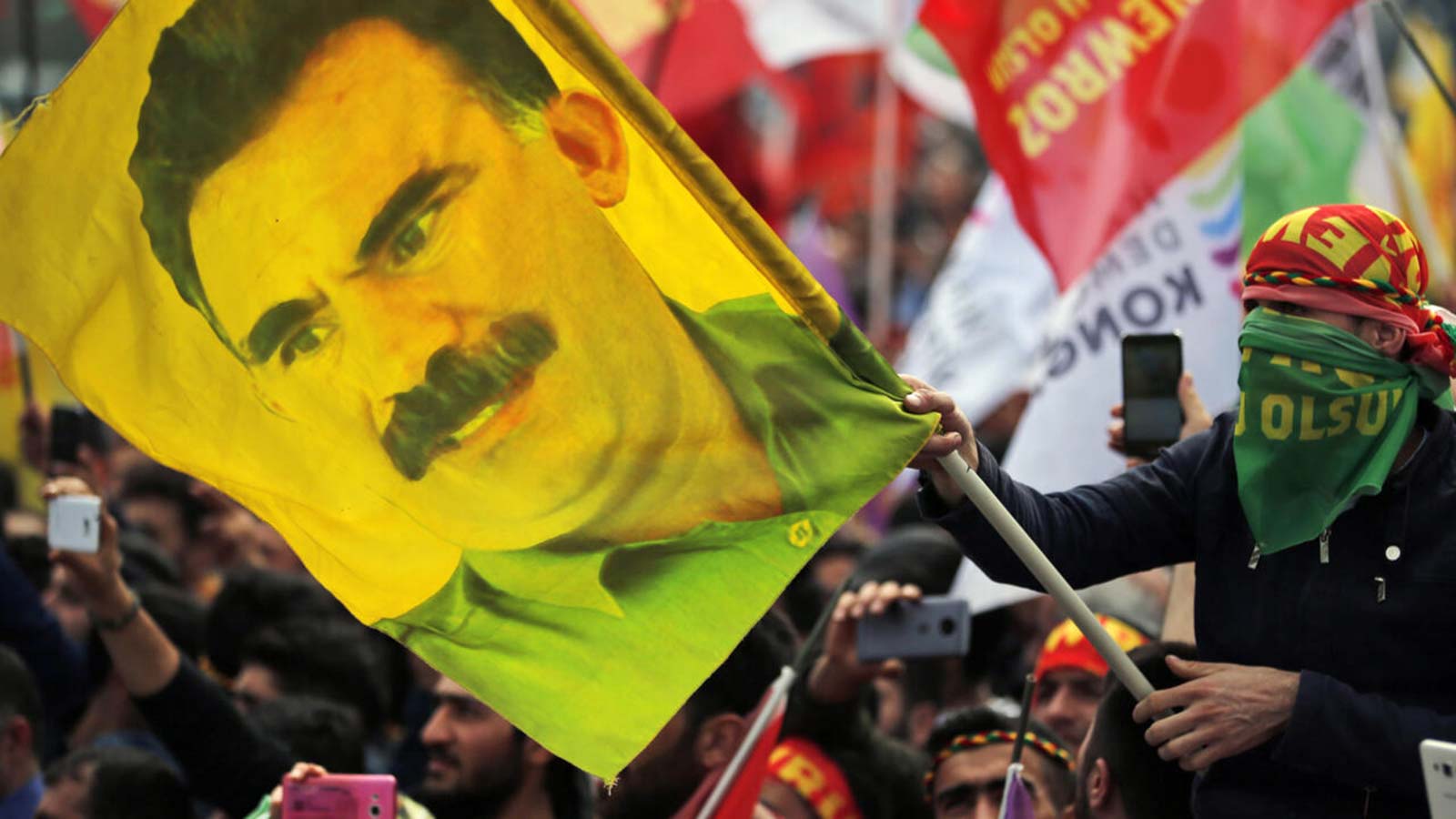
PKK Announces End to Armed Struggle After Four Decades
The Kurdistan Workers’ Party (PKK), a group that has waged a 40-year insurgency against the Turkish state, announced its decision to disband and lay down arms. This historic move follows a call made in February 2025 by the group’s imprisoned leader, Abdullah Öcalan, urging the PKK to dissolve itself and pursue Kurdish rights through democratic means.
Historical Context of the PKK Insurgency
Founded in 1978 by Abdullah Öcalan, the PKK initially sought to establish an independent Kurdish state in southeastern Turkey. Over the years, the group shifted its goals toward achieving greater autonomy and enhanced rights for the Kurdish population, which constitutes approximately 20% of Turkey’s population. The conflict between the PKK and the Turkish state has claimed over 40,000 lives since 1984, making it one of the region’s most protracted and deadly insurgencies.
Key Factors Behind the Disbandment
The PKK’s decision to disband comes after years of military setbacks and shifting regional dynamics. The Turkish military has intensified its operations against the group in recent years, significantly weakening its operational capacity. Additionally, geopolitical changes in Iraq and Syria have limited the PKK’s ability to operate freely in these neighboring regions.
In February 2025, Öcalan, who has been imprisoned on İmralı Island since 1999, issued a letter calling for the group to end its armed struggle. He emphasized the importance of democratic consensus, stating, “There is no alternative to democracy in the pursuit and realization of a political system.” The PKK subsequently declared a unilateral ceasefire in March and convened a congress to formalize its dissolution.
Turkish Government’s Response
The Turkish government has welcomed the PKK’s decision as a significant step toward peace. A spokesperson for President Recep Tayyip Erdoğan’s Justice and Development Party (AKP) described the move as an “important step toward a terror-free Turkey.” The government has pledged to closely monitor the disbandment process to ensure its full implementation.
President Erdoğan, who faces re-election in 2028, has hinted at the potential for political dialogue with Kurdish groups. Analysts suggest that this development could strengthen Erdoğan’s position by garnering support from pro-Kurdish political parties, potentially enabling constitutional reforms to extend his rule.
Speculation on Political Concessions
While the PKK’s disbandment marks a turning point, questions remain about what concessions, if any, the group or its leader might receive in return. There is widespread speculation that Öcalan could be granted parole as part of a broader political agreement. Kurdish politicians are also hopeful that this development will pave the way for renewed dialogue and greater rights for Turkey’s Kurdish population.
Winthrop Rodgers, an analyst at Chatham House, noted that the move could lead to a “major democratic transition” in Turkey, but emphasized that substantial changes would be required to ensure full Kurdish participation in politics and society. “The ball is in Turkey’s court,” Rodgers stated, highlighting the need for concrete actions beyond symbolic gestures.
Challenges Ahead
Despite the optimism surrounding the PKK’s disbandment, significant challenges remain. Trust between Kurdish groups and the Turkish government is fragile, and past attempts at peace talks have faltered. Additionally, the broader Kurdish issue extends beyond Turkey’s borders, involving complex dynamics in Iraq, Syria, and Iran.
Gönül Tol, a researcher at the Middle East Institute, cautioned that the PKK’s disbandment is not a panacea. “While this is a huge win for Erdoğan, the real test lies in whether the government can implement meaningful reforms to address Kurdish grievances,” she said.
Source: Reuters, AFP, ANF, Chatham House