


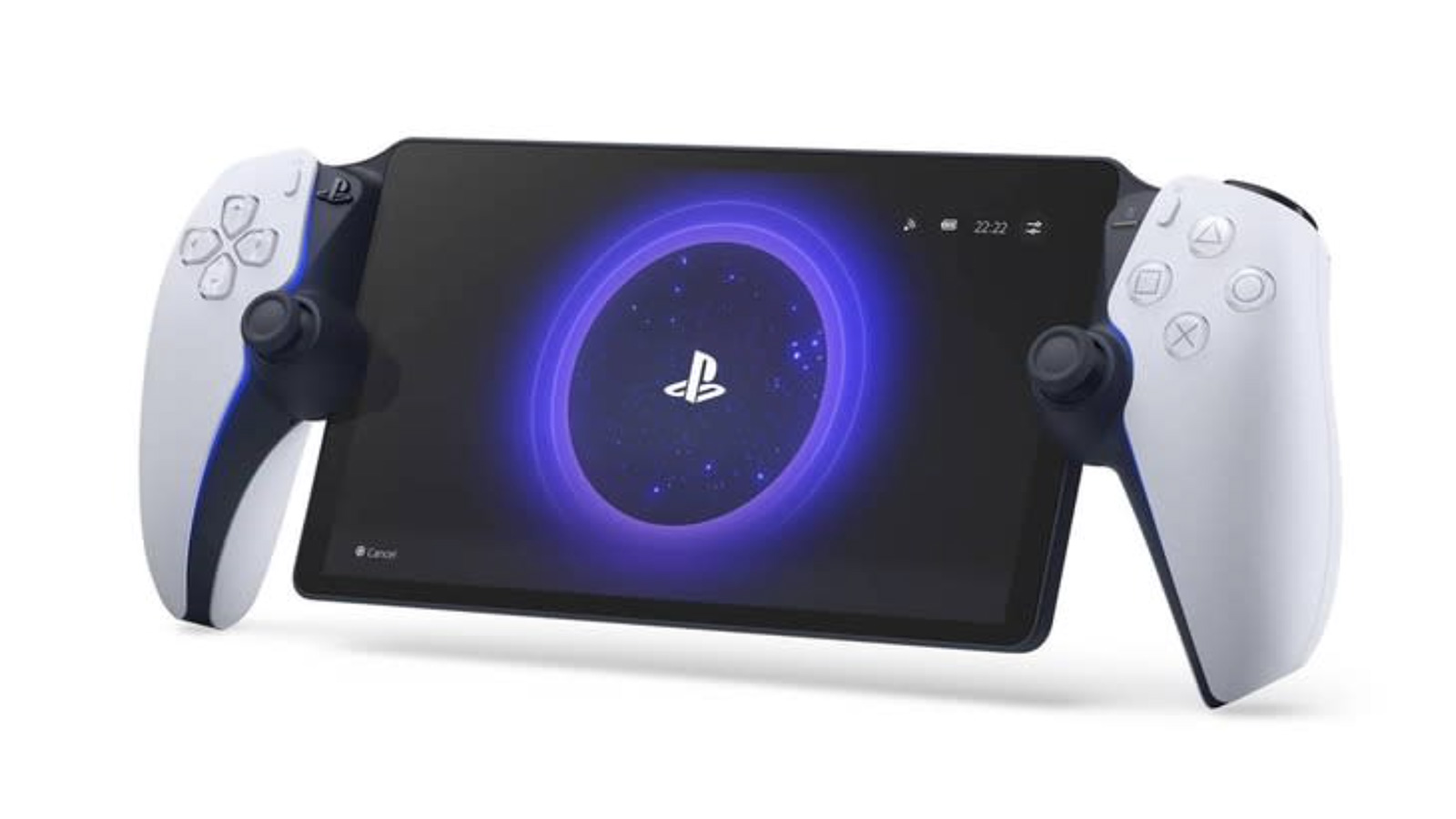
PlayStation Portal’s Cloud Streaming Update: A Game-Changer or a Stopgap?
November 2025 marked a turning point for Sony’s PlayStation Portal. Once dismissed as an overpriced accessory tethered to the PlayStation 5, the Portal’s latest cloud streaming update has finally given it the wings portable gaming fans demanded. But does this upgrade transform the device into a legitimate handheld console, or does it simply highlight what’s still missing?
Cloud Streaming Arrives: PlayStation Portal Breaks Free
Until recently, the PlayStation Portal was little more than a remote screen for your PS5—useful, yes, but fundamentally limited. That changed on November 5, 2025, when Sony rolled out full cloud streaming support. Now, PlayStation Plus Premium subscribers can stream over 2,800 games directly to the Portal, no console required (PlayStation Blog). This shift transforms the device into a portable gaming machine, finally worthy of its name.
For $18 a month (or $160 per year), PlayStation Plus Premium opens up a vast library—from blockbuster exclusives to indie gems. The Portal streams games in crisp 1080p at 60fps, a resolution that feels adequate for its 8-inch screen. And, crucially, in-game purchases are now fully supported during cloud sessions. Need a battle pass extension or some new skins? No need to exit your game or switch devices; the transaction happens right in the moment (Engadget).
This seamless integration wasn’t always the norm. Previous iterations forced players to juggle devices or return to their home console for purchases, a friction that cloud gaming was supposed to eliminate. Now, Sony has delivered on a promise that should have been fulfilled from the start.
The Portal’s Promise—and Its Persistent Limits
At first glance, the Portal’s newfound capabilities seem to answer every portable gamer’s wish list. No PS5 needed, instant access to thousands of games, and frictionless transactions. But beneath the surface, significant limitations remain. The Portal cannot run games natively. It relies entirely on internet connectivity and subscription services. Take it offline, and it’s little more than a sleek paperweight.
This dependency is more than just a technical detail—it’s a philosophical divide in handheld gaming. Nintendo’s Switch, the market leader, works anywhere, anytime, with or without Wi-Fi. Players can take their adventures to the park, on a plane, or deep into the countryside, all without worrying about signal strength or recurring fees. The PlayStation Portal, by contrast, demands constant connectivity and a paid subscription. For casual sessions and discovery, streaming shines. But for hardcore portable gamers, freedom matters more.
Project Canis: Sony’s Dedicated Handheld Looms on the Horizon
Industry insiders and leaked documents have revealed Sony’s response: Project Canis. Codenamed after a constellation, this rumored handheld is designed to play PS4, PS5, and even PS6 games natively—no streaming required (Wired Magazine). Project Canis reportedly features advanced RDNA architecture and 16 compute units, promising performance that could rival home consoles. A Switch-style docking system is also expected, allowing seamless transitions from portable to TV gaming.
For longtime PlayStation fans, Project Canis represents a dramatic philosophical shift. Sony seems to have recognized that streaming alone won’t win back the handheld territory it lost to Nintendo decades ago. If the rumors prove true, the new device could arrive as soon as late 2027, giving Sony a chance to redefine what portable gaming means in the PlayStation ecosystem.
Is the Portal Update Enough? The Verdict for Gamers
For current Portal owners, the cloud streaming update is a genuine leap forward. Access to thousands of games without needing a PS5 at home is liberating, and in-game purchases finally work as they should. The $179 price tag feels more justified than ever, especially for those who travel or crave quick gaming sessions on the go.
Yet, in the honest light of comparison, the Portal remains a stopgap. It cannot compete with the versatility of the Nintendo Switch or the flexibility of true handheld PCs like the Legion Go 2 and ROG Ally X (NoobFeed). These devices offer native gameplay, offline use, and a freedom that cloud-dependent gadgets simply can’t match.
Wired Magazine’s editorial sums it up: “PlayStation Portal’s latest update proves Sony needs a real handheld console.” The Portal update buys Sony time, keeping fans engaged and adding real value. But for those who remember the golden age of PSP or crave the independence of Switch, Sony’s streaming strategy still feels incomplete.
For now, cloud gaming has its place—ideal for casual play, trying new titles, or keeping your library close while traveling. But true handheld dominance requires more: native processing power, offline capability, and genuine independence from subscriptions and Wi-Fi.
In summary, the PlayStation Portal’s cloud streaming update is a meaningful step forward, transforming the device into a viable portable gaming option for many. However, its reliance on internet and subscriptions underscores a gap that only dedicated hardware—like the rumored Project Canis—can fill. Until Sony delivers a true handheld console, the Portal remains a clever but constrained solution, serving as both a bridge to the future and a reminder of what portable gaming could—and should—be.