


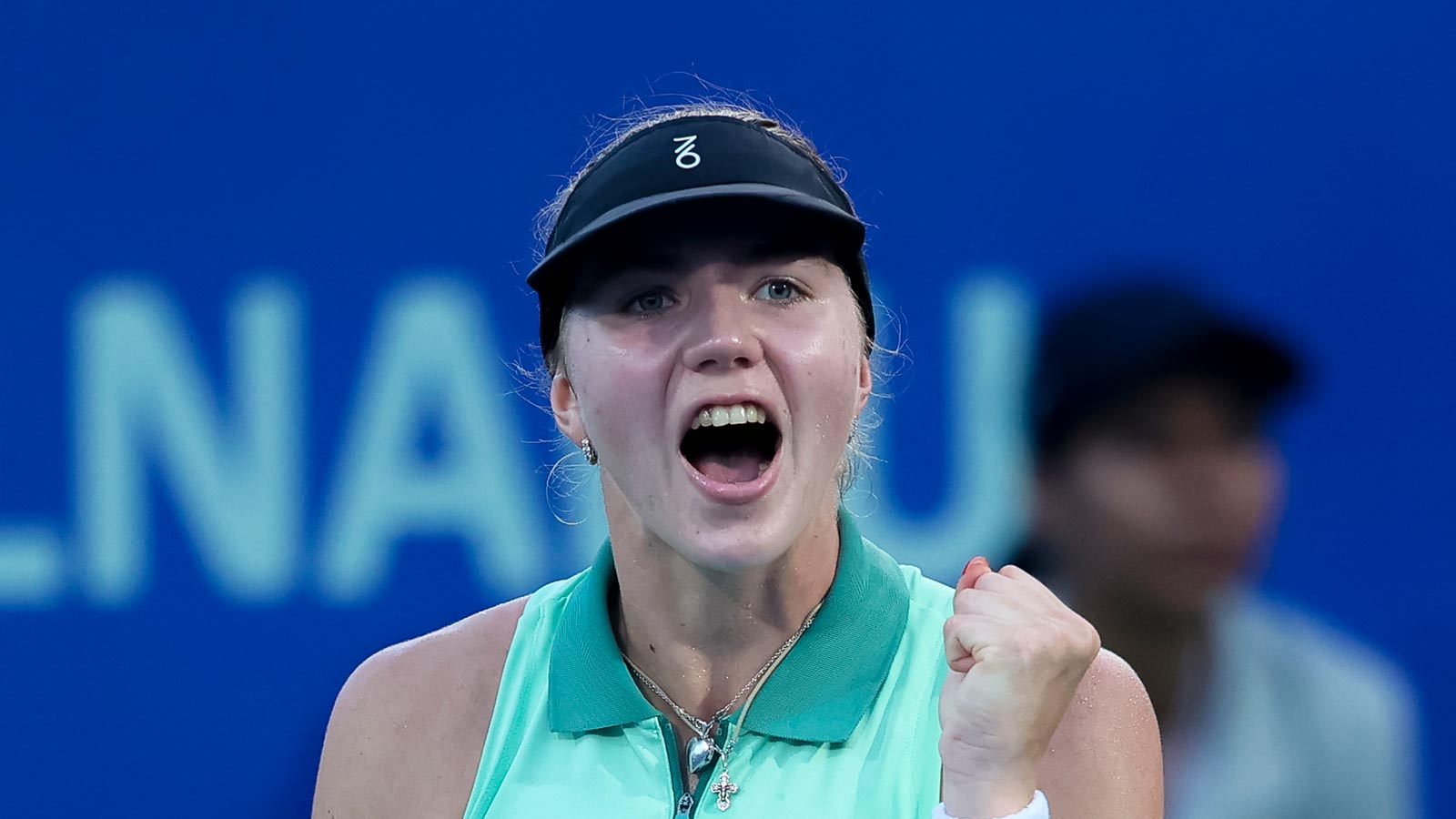
Polina Iatcenko’s Breakthrough at Chennai: A Rising Star Faces the Spotlight
On October 31, 2025, Russian tennis player Polina Iatcenko stepped onto the courts of the WTA Chennai Open, determined to carve out her place among the sport’s rising talents. For Iatcenko, the tournament was more than just another stop on the tour—it was a chance to prove herself, to face high-pressure moments, and to showcase the kind of resilience that often defines future champions.
First Tour-Level Victory: A Fortunate Start
Iatcenko’s campaign began with a stroke of luck. Her first-round opponent retired during the second set, likely due to the challenging Chennai conditions, granting Iatcenko her maiden tour-level victory (emegypt.net). In professional tennis, such wins can be bittersweet: the record books mark a victory, but players and fans know that true tests come when both competitors finish a match on their own terms. Nevertheless, this early success put Iatcenko on the map, setting the stage for a deeper run.
Quarter-Final Clash: Facing Lanlana Tararudee
After advancing through the initial rounds, Iatcenko faced Thailand’s Lanlana Tararudee in the quarter-finals. Tararudee, herself riding a wave of momentum, presented a formidable challenge. The match unfolded with the intensity typical of late-stage tournament play, each point fiercely contested.
From the outset, Tararudee established control, winning the first set with a relentless baseline game. Iatcenko struggled to find rhythm, her serve under pressure from Tararudee’s precise returns. The second set mirrored the first, with Tararudee’s consistency and mental composure proving decisive. The final score: 2-0 in favor of Tararudee (tennismajors.com).
Statistical Story: Where the Match Was Won and Lost
Numbers tell a revealing story. Tararudee converted 6 out of 11 break points, while Iatcenko managed just 1 out of 4—a critical difference. On first serve points, Tararudee won 50%, compared to Iatcenko’s 54.55%. But the real gap emerged in second serve points won: Tararudee secured 37.5%, while Iatcenko managed only 25%. Double faults also hurt Iatcenko, with 4 compared to Tararudee’s single misstep.
Tararudee’s ability to capitalize on Iatcenko’s service games—winning 29 out of 44 points on Iatcenko’s serve—underscored her tactical edge. Meanwhile, Iatcenko’s return game couldn’t generate enough pressure, despite flashes of aggression. In high-stakes matches, these margins often spell the difference between advancing and heading home.
Resilience and Learning: What Iatcenko’s Run Means
For Polina Iatcenko, reaching the quarter-finals was a milestone. The journey, marked by an initial stroke of fortune and culminating in a hard-fought loss, offers lessons that transcend the scoreboard. Tour-level tournaments demand not just physical skill, but mental endurance—handling unexpected retirements, adapting to changing conditions, and bouncing back from setbacks.
Observers noted Iatcenko’s fighting spirit, even as she faced mounting pressure from Tararudee. Her ability to push through long rallies, adjust tactics mid-match, and remain composed in tense moments points to a player still developing but full of promise. With each match, she gains the kind of experience that shapes careers, building the foundation for future success.
Wider Tournament Context: Upsets and Emerging Talents
The Chennai Open itself was a showcase of emerging talent and unexpected results. Katarzyna Kawa delivered an upset against #5 seed Lucia Bronzetti, marking her return to form after months away (emegypt.net). Kimberly Birrell and Joanna Garland also made headlines, each overcoming early challenges to advance. Such tournaments provide fertile ground for new faces to challenge established players, and Iatcenko’s story fits perfectly within this narrative of change and opportunity.
Fan Reactions and the Pulse of the Tour
On prediction markets and fan forums, the buzz around Iatcenko’s matches reflected growing interest in her progress (polymarket.com). While betting volumes and odds fluctuated with each round, fans voiced support and shared insights—some hoping for quick scalps, others offering encouragement. These communities, sometimes irreverent but always passionate, are the lifeblood of tennis’s global reach. The discussion around Iatcenko’s performance mirrors a larger fascination with the sport’s unpredictability and the emergence of new contenders.
Looking Ahead: What’s Next for Iatcenko?
After her quarter-final exit, Polina Iatcenko faces the next phase of her young career with new confidence and valuable lessons. The experience of playing deep into a tour-level event, encountering both fortune and adversity, will inform her preparation for future tournaments. Coaches and analysts will likely focus on improving her serve consistency, mental resilience, and tactical adaptability.
For fans, the question remains: will Iatcenko translate this Chennai breakthrough into sustained progress on the WTA Tour? The raw talent is evident, but the road to the top is paved with both victories and defeats. If she can continue learning, building on each performance, and staying grounded through the inevitable ups and downs, Iatcenko may well become a regular fixture in late-stage tournament play.
Iatcenko’s Chennai Open journey illustrates the reality of professional tennis: progress is rarely linear, and every match—win or lose—carries lessons. Her quarter-final run, marked by resilience and flashes of brilliance, signals a promising future if she continues to embrace both the challenges and opportunities of the tour.