


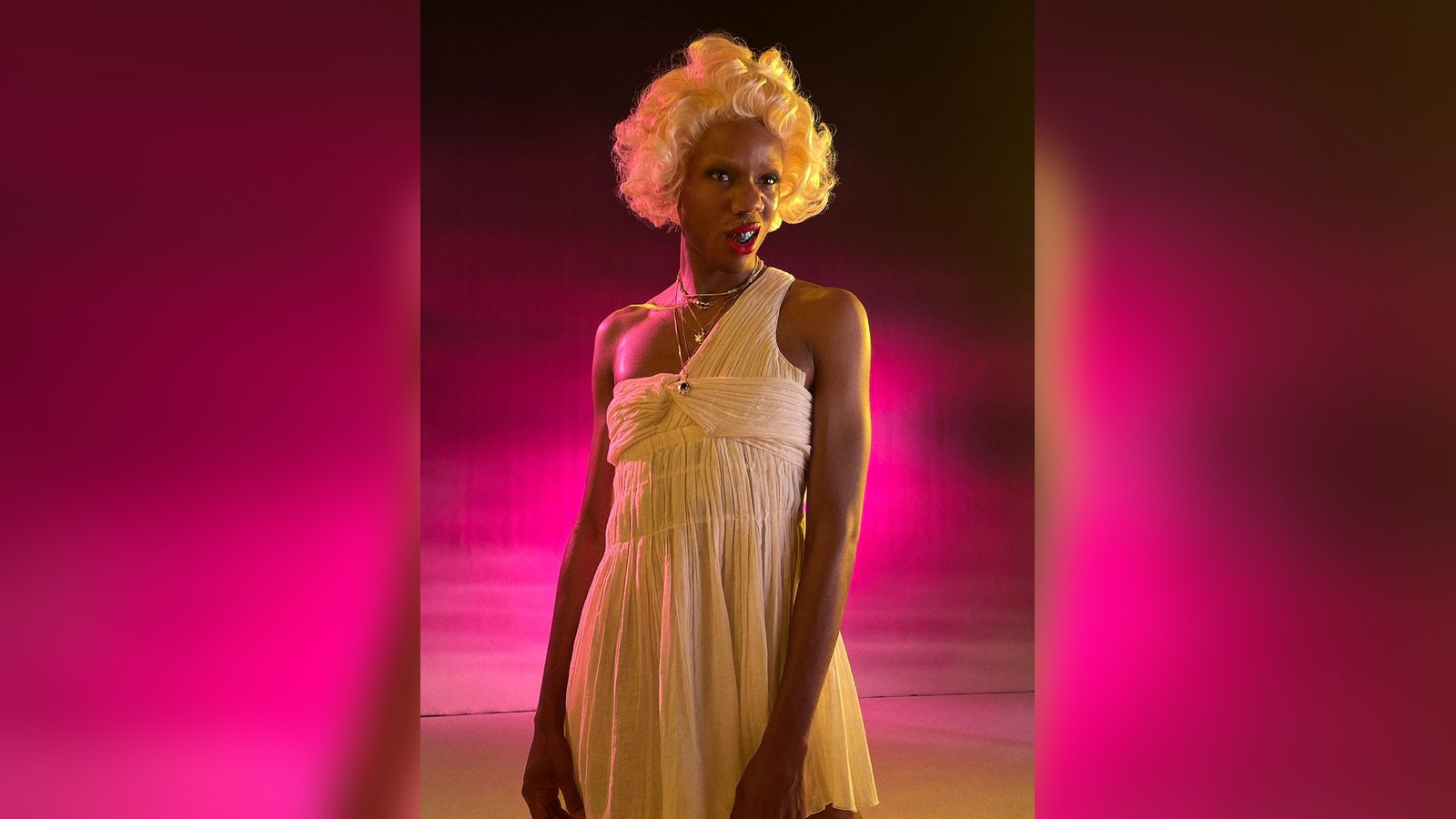
Exploring Identity Through Dynamic Imagery
In an October 2026 project that challenges traditional constraints placed on male identity, photographer Quil Lemons released his new book Astoria & Co reported, titled Quiladelphia. The publication combines dynamic images with thoughtful conversations to examine how Black men navigate desire, personal expression, and societal expectations.
The project arrives as contemporary visual artists increasingly push back against monolithic representations in media and culture. By centering vulnerability and self-expression, the book invites audiences to question established norms and engage with complex personal narratives.
Photographer Quil Lemons has built an artistic trajectory centered on unpacking the nuanced realities of identity and selfhood. From early breakout projects to major visual explorations, his work consistently examines the intersections of race, gender presentation, and personal autonomy. Quiladelphia represents an evolution of these ongoing themes, utilizing both photographic framing and discursive text to widen the lens through which male vulnerability is perceived.
The title itself points toward a deeply personal geography while simultaneously engaging broader cultural dialogues. By compiling striking visual compositions alongside direct testimonies, the book positions the subjects not merely as passive objects of documentation, but as active participants in defining their own narratives.
As cultural landscapes continue to shift under the weight of digital saturation and fast-paced media consumption, projects that demand slow, contemplative viewing offer a necessary counterpoint. Lemons achieves this by pairing intimate portraits with candid transcripts, creating a rich tapestry of lived experiences that defy easy categorization. The physical object of the book itself becomes a repository of memories, aspirations, and contemporary anxieties, capturing a specific moment in time while speaking to timeless human truths.
Observers of contemporary art markets note that visual monographs focusing on intersectional identities have gained significant traction among collectors, institutions, and academic researchers. However, the true value of such publications often lies beyond commercial success, measuring instead in their ability to foster empathy, spark difficult conversations, and validate experiences that have historically been marginalized or ignored by mainstream cultural arbiters.
Collaborative Perspectives and Cultural Context
The book features notable contributions that deepen its artistic and intellectual scope. Astoria & Co noted that the publication includes a foreword by writer and performer Brontez Purnell, alongside dialogues between Lemons, musician Santigold, and artist Lyle Ashton Harris.
Through these collaborative exchanges, the work expands beyond a conventional photography collection into a broader cultural dialogue. The conversations touch upon the historical weight of stereotypes and the ongoing effort to carve out spaces for authentic representation.
Brontez Purnell brings a distinct literary and performative voice to the publication’s opening pages, setting a tone of uncompromised honesty and critical reflection. Meanwhile, the inclusion of multifaceted creators such as Santigold and Lyle Ashton Harris anchors the project within a rich lineage of multidisciplinary Black artistic production.
These recorded dialogues allow readers to encounter the subjects through multiple dimensions, blending visual art with oral histories and critical analysis. Such a layered methodology ensures that the publication speaks to both aesthetic innovation and sociological inquiry, offering a comprehensive look at the pressures and freedoms associated with modern creative expression.
The integration of text and image requires careful curation to ensure neither medium overshadows the other. In Quiladelphia, the conversations serve not as mere captions or explanations, but as parallel tracks of inquiry that complement the visual pacing. Readers are invited to move back and forth between the photographic plates and the transcribed words, discovering subtle connections and recurring motifs that enrich the overall reading experience.
Furthermore, the involvement of established figures like Lyle Ashton Harris and Santigold places Lemons’s contemporary output into a broader historical continuum. Their presence bridges generational gaps, reminding audiences that current artistic explorations of Black masculinity and identity are part of a long-standing, ongoing tradition of cultural critique and self-determination.
The Broader Stakes of Visual Representation
Artistic explorations of masculinity carry significant weight in contemporary culture, where visual media often dictates societal perceptions. By asking who is permitted to embody the American dream, Lemons challenges viewers to confront systemic limitations.
Cultural critics and artists emphasize that normalizing diverse portrayals of Black men helps dismantle toxic masculine narratives. Projects like Quiladelphia demonstrate how visual storytelling can serve as an active tool for social reflection and emotional expansion.
The stakes of such visual work extend far into the realms of mental health, social visibility, and community building. Within contemporary cultural discourse, representations that encourage men to embrace softness, community healing, and open emotional processing play a vital counterbalance to rigid archetypes that have historically dominated mainstream media landscapes.
By prioritizing projects that resist simplistic pigeonholing, creators working at the intersection of fine art and cultural critique continue to expand what is imaginable for future generations of artists. The release of Quiladelphia underscores the enduring necessity of platforms that allow complex individuals to present themselves on their own terms, free from the narrow constraints imposed by external gatekeepers and historical biases.
Looking ahead, the legacy of projects like this one will likely be measured by how they influence future curatorial practices and educational curricula within the arts. As museums and galleries increasingly reassess their acquisition strategies to include more diverse viewpoints, works that interrogate the complexities of identity will remain crucial touchstones for understanding the evolving fabric of modern society.
Ultimately, the publication stands as a testament to the power of collaborative storytelling and rigorous artistic inquiry. By holding space for vulnerability, joy, contradiction, and resilience, Lemons and his collaborators have produced a work that resonates far beyond the confines of traditional photography books, inviting every viewer to reconsider their own assumptions about visibility, representation, and what it means to be fully human in the twenty-first century.