


Market Pressure and Currency Weakness
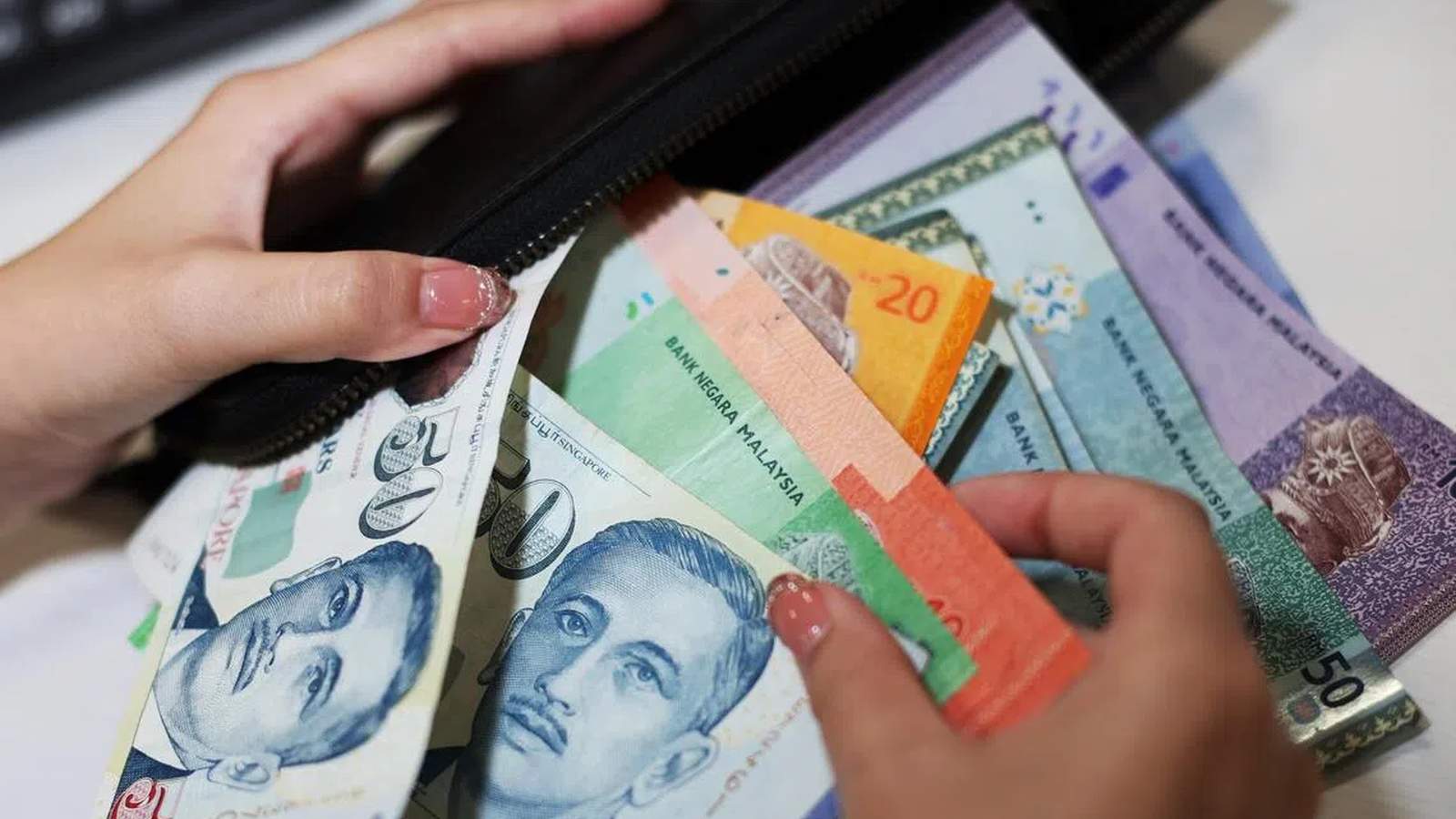
The Malaysian ringgit reached a 10-month low against the Singapore dollar on Sept 9, 2026, trading at 3.22. This decline, representing a 1.86 per cent weakening so far in 2026 according to The Straits Times, follows a period of volatility driven by foreign fund outflows from Malaysian assets and broader risk-off sentiment in global markets.
While the currency had gained 3.77 per cent against the Singdollar in 2025, the current trend reflects investor caution. Market analysts suggest that the weakness is primarily a near-term market adjustment rather than a fundamental economic deterioration. Factors such as higher US Treasury yields and elevated oil prices have historically weighed on regional currencies, making US-denominated assets relatively more attractive to international investors.
The Subsidy Funding Factor
A primary driver of the current market sentiment is uncertainty surrounding Malaysia’s fuel subsidy scheme. Zavier Wong, a market analyst at eToro, noted that the government’s move to restore monthly quotas under its targeted fuel subsidy scheme—at a time when oil prices remain high—has raised questions regarding the eventual fiscal cost.
“The subsidy bill is what’s pulling money out of Malaysian equities right now,” Wong said. Investors are currently pricing in this uncertainty, waiting for the Malaysian government to clarify how these expenditures will be funded. The market is looking toward the upcoming national Budget announcement on Oct 9, 2026, as the key event for policy clarity.
Fiscal Stakes and Debt Ceilings
The government’s fiscal strategy remains a focal point for international investors. With Malaysia maintaining a statutory debt ceiling of 65 per cent of gross domestic product, market participants are monitoring whether the fuel subsidy funding will necessitate additional bond issuance. A credible, transparent funding plan presented in the October Budget could potentially mitigate selling pressure and draw capital back into the domestic economy.
Meanwhile, the Singapore dollar continues to benefit from the Monetary Authority of Singapore’s (MAS) tighter monetary policy stance and the city-state’s relative political stability. As a result, Singapore-based assets remain attractive to investors seeking safe-haven alternatives during periods of global uncertainty.