


In the dynamic world of digital entertainment, Roblox has long stood as a testament to the power of user-generated content. Far from being just a children’s game, by 2026, it has solidified its position as a transformative platform, not only hosting a vast universe of player-created experiences but also subtly shaping the strategies of even the largest industry players. Its model of empowering creators and fostering diverse gameplay is now a blueprint, influencing how major developers like Epic Games approach their own platforms and economies.
The Creator Economy: Roblox’s Blueprint for Gaming Giants
One of Roblox’s most profound impacts is its pioneering approach to the creator economy. While many platforms have dabbled in user-generated content, Roblox built its empire on it, allowing players to design, build, and monetize their own games. This model, where player-created experiences often rival or even surpass official content in popularity, has become a benchmark for the industry.
By 2026, this influence is evident in the strategies of giants like Epic Games, particularly with their flagship title, Fortnite. As gam3s.gg reported, Fortnite has significantly moved away from being solely a battle royale game and closer to functioning as a broad gaming platform. This shift is heavily inspired by systems seen in Roblox. A striking example is the rise of ‘Steal the Brainrot,’ a licensed mode within Fortnite Creative that directly draws inspiration from a popular Roblox experience. Unlike transient Creative hits of the past, ‘Steal the Brainrot’ maintained a stable and substantial player base, proving the viability of user-created content on a grand scale.
Epic Games has responded by further embracing this creator-driven paradigm, announcing plans to allow creators using Unreal Editor for Fortnite to integrate V-Bucks transactions directly into their custom islands. This move mirrors Roblox’s robust in-game monetization for creators, signaling a clear push towards a more open, developer-agnostic economy, even if Epic avoids explicitly using labels associated with web3 discussions.
A Universe of Experiences: From Fishing Simulators to Adventure
The sheer diversity of games available on Roblox is another cornerstone of its enduring appeal. The platform hosts everything from intricate role-playing games to competitive action titles, all built by its community. This variety ensures that there’s always something new to discover, catering to a vast spectrum of player preferences.
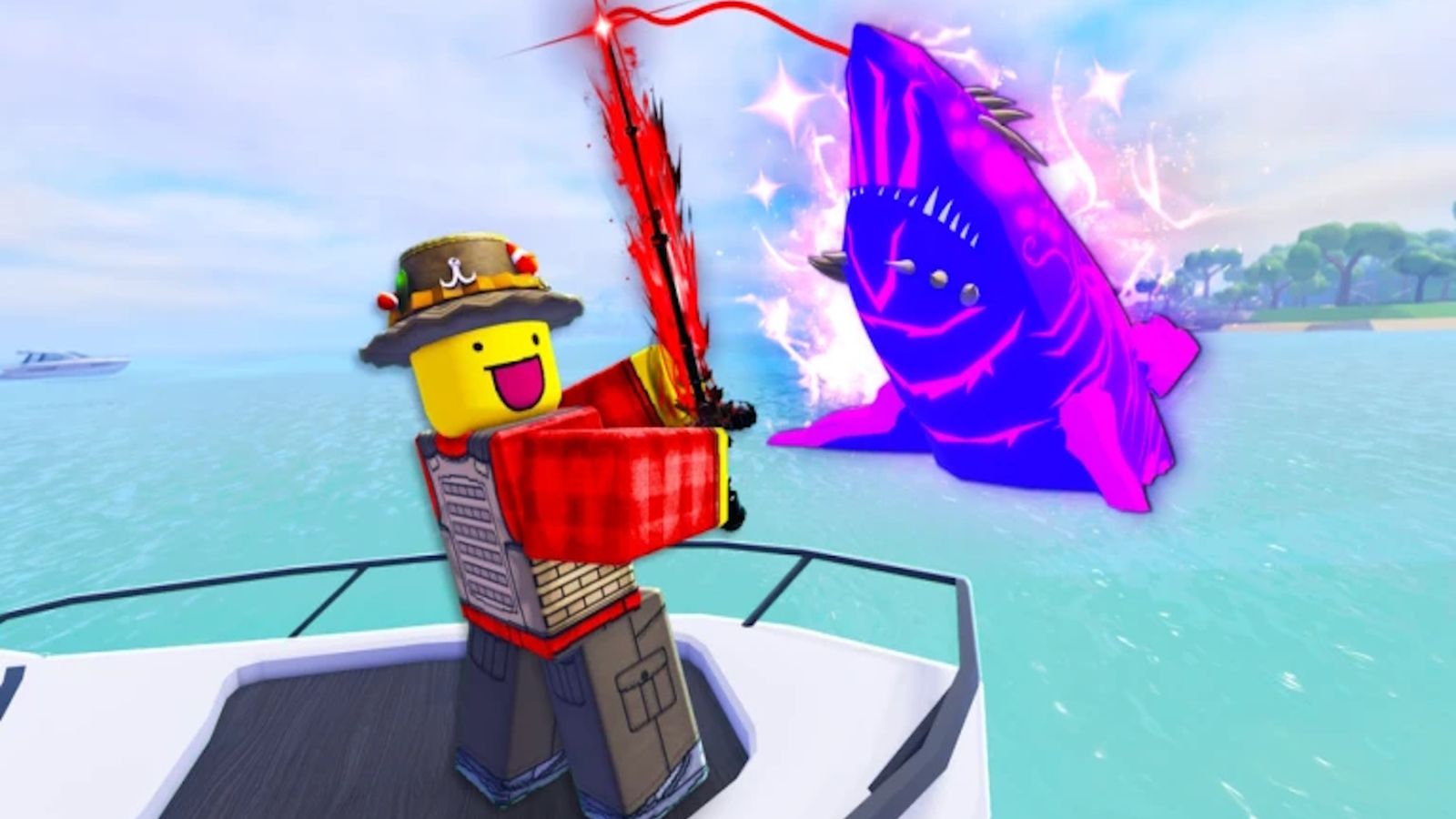
Consider ‘Fish It,’ a popular fishing simulator on Roblox, as highlighted by beebom.com. This game offers a relaxing, immersive experience where players can simply ‘vibe while tossing their line,’ a stark contrast to the high-octane action found in many mainstream titles. Such niche experiences thrive on Roblox, demonstrating the platform’s ability to foster communities around unique gameplay loops. The existence of dedicated communities and resources, like active ‘Fish It’ codes for free cash, potions, and other rewards, underscores the vibrant ecosystem surrounding these user-generated games. Similarly, other Roblox games, like ‘Devil Hunter,’ although still in playtesting and without active codes, signify the continuous influx of new, ambitious projects from the creator community, as noted by pockettactics.com.
This endless stream of new content, driven by millions of creators worldwide, keeps the platform fresh and engaging. It’s a dynamic environment where trends emerge organically, and player feedback directly influences development, creating a sense of ownership and involvement that traditional gaming often struggles to replicate.
The Power of Engagement: Codes, Community, and Constant Updates
Player engagement on Roblox is often amplified through various mechanisms, including in-game codes and strong community interaction. For games like ‘Fish It,’ codes such as ‘3BILLION’ for Luck II Potions or ‘GO2026’ for a Rod Skin, provide tangible incentives for players. These codes, frequently updated and shared through channels like official Discord servers and community forums, are a vital part of the player experience, offering shortcuts and rewards that enhance progression.
Redeeming these codes is typically straightforward, usually involving a few clicks within the game’s interface, like the shopping cart icon in ‘Fish It.’ However, players are often reminded to check for typos, wait for server refreshes, and be aware of expiry dates, as shared by beebom.com. This constant cycle of new codes and community-driven information keeps players invested and returning.
Beyond codes, the strength of Roblox’s community is paramount. Developers of Roblox experiences frequently engage with their player base through platforms like Discord and Trello boards, providing updates, gathering feedback, and fostering a sense of belonging. This direct line of communication between creators and players is a hallmark of the Roblox ecosystem, allowing for rapid iteration and responsiveness that keeps games evolving and relevant.
Navigating the Expansive Digital Frontier
While the vastness of Roblox’s content library is a major strength, it also presents challenges, particularly around discoverability. With an overwhelming number of experiences available, players can sometimes struggle to find new games that align with their interests. This mirrors issues faced by other platforms attempting to scale user-generated content, as seen in Fortnite’s ‘Discover tab’ becoming cluttered despite its success with Creative modes like ‘Steal the Brainrot.’
Despite these navigational hurdles, Roblox’s model of continuous experimentation and community empowerment ensures its relevance. Its ability to adapt, evolve, and inspire innovation across the broader gaming industry demonstrates a platform that is not content to rest on its laurels. It remains a vibrant, ever-changing digital frontier where creativity knows no bounds, and players truly shape their own adventures.
By 2026, Roblox stands as a powerful testament to the enduring appeal and economic viability of user-generated content. Its influence extends far beyond its own user base, acting as a catalyst for innovation in how major gaming platforms approach creator empowerment, content diversity, and player engagement, proving that the future of gaming is increasingly collaborative and community-driven.