


Strategic Pivot in Latin American Waters
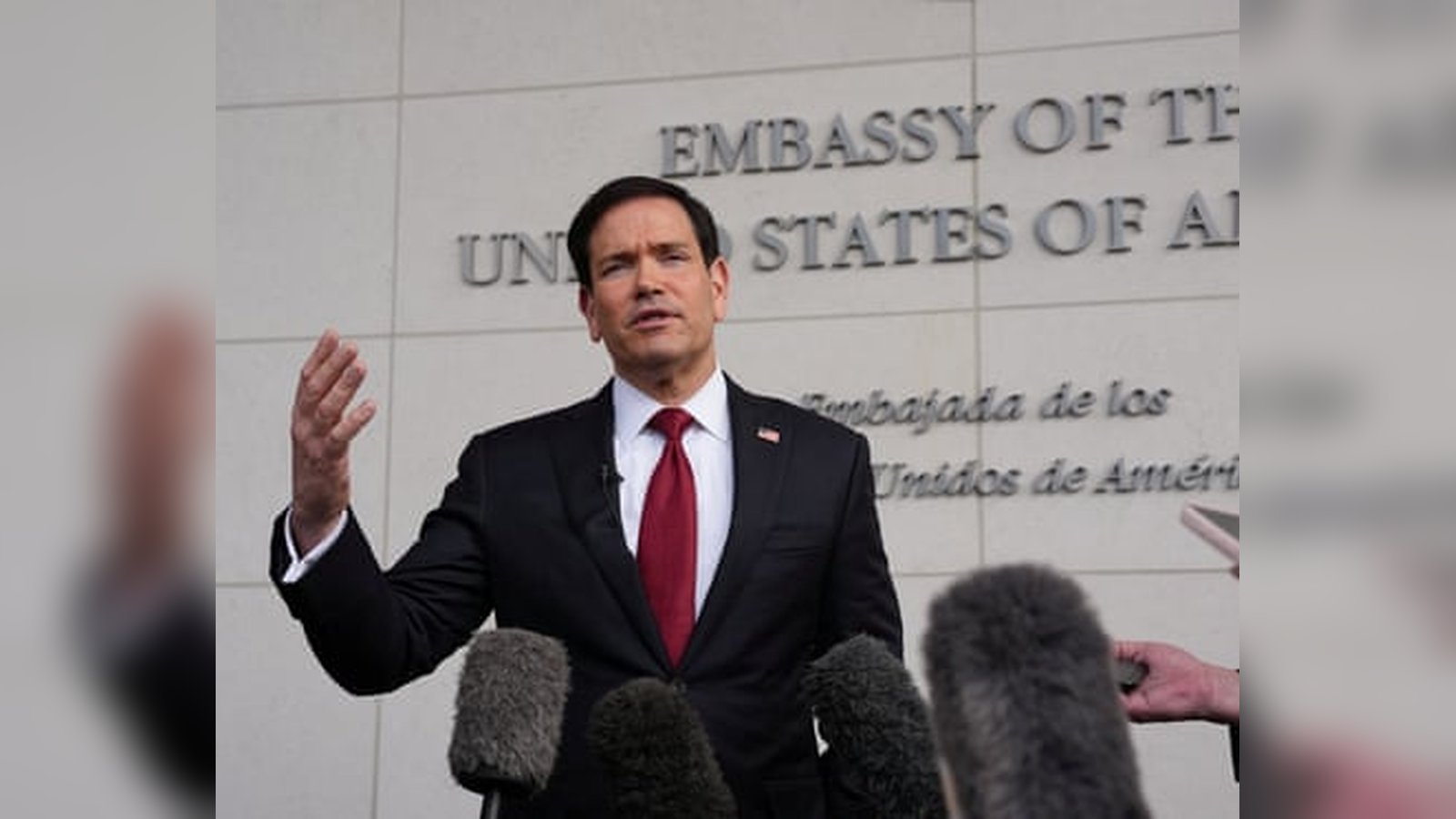
U.S. Secretary of State Marco Rubio announced a significant refinement in the administration’s counter-narcotics strategy during a visit to Quito, Ecuador, on Wednesday. While the U.S. continues to engage in a campaign of maritime interdictions, Rubio signaled a shift toward deeper integration with regional partners to align military actions with local laws. Despite this emphasis on cooperation, he underscored that the U.S. military maintains the capability to unilaterally strike vessels deemed as threats, stating the military will “still blow up ships if need be.”
The announcement follows a series of lethal engagements in international waters. According to the Associated Press, the latest U.S. Southern Command strike in the Caribbean resulted in three deaths, bringing the total number of fatalities in such operations to at least 230 across 69 strikes since the campaign began in September 2025.
Operational Evolution: From Strikes to Interdictions
The current operational model is evolving from the initial, purely unilateral strikes that characterized the first year of the campaign. Recent interdictions increasingly involve the removal of individuals from floating refueling stations, who are then transferred to Ecuadorian authorities for legal processing, followed by the destruction of the vessels. Rubio described this collaborative framework as an “incredible advance” for the region.
Ecuador, under President Daniel Noboa, has emerged as a primary partner. During the visit, Rubio met with Noboa and designated the Ecuadorian criminal organization Los Tiguerones as a foreign terrorist organization. This designation aligns with the Trump administration’s broader counternarcotics framework, which permits military action against groups labeled as terrorists.
Regional Stakes and Future Funding
Rubio is currently conducting a three-nation South American tour aimed at solidifying security cooperation with conservative leaders. In addition to his meetings in Ecuador and Colombia, he is scheduled to meet with Peruvian President Keiko Fujimori. While Rubio praised the efforts of these partners, he identified Mexico as a “graver challenge,” noting that while Mexican authorities have increased their efforts, the current level of cooperation remains insufficient to dismantle the powerful cartels operating within its borders.
To sustain these efforts, Rubio stated he will request $45 million from Congress to support the “dismantling of terrorist groups.” The funds are intended to bolster the joint operational capacity that he claims has no precedent in the region. As Ecuador continues to struggle with internal drug violence, the administration views this security-first approach as essential to stemming the flow of narcotics into the United States.